
Destination guide
Turkey
Istanbul, Cappadocia, classical ruins and the Aegean coast create a journey between continents, cultures and landscapes.
At a glance
Why Turkey Belongs On A Considered Itinerary
Turkey offers far more than 1 city break. Istanbul introduces the country’s imperial scale, while Cappadocia, Ephesus, Pamukkale and the coast reveal different histories and landscapes.
Domestic flights and private transfers can make a multi-region route practical. A strong itinerary chooses fewer bases and protects time for early starts, guided visits and unhurried evenings.
Practical overview
Historical context
Layers Of History, Still Visible Today
Anatolia has been home to Hittite, Greek, Roman and Byzantine civilizations. Constantinople became the capital of the Byzantine Empire and later of the Ottoman Empire after 1453.
The Republic of Turkey was founded in 1923. Today, Ottoman mosques and palaces, classical archaeological sites, modern cities and living regional traditions create a remarkably layered destination.
Best time to visit
Plan The Season Before The Route
April to June and September to October work well for Istanbul, Cappadocia and the archaeological sites, with generally comfortable temperatures.
July and August suit the coast but can be hot and crowded inland. Winter brings a quieter Istanbul and possible snow in Cappadocia, along with shorter daylight hours.
Best things to do
Experiences That Explain Turkey
These are practical starting points for a first private journey. The right mix depends on season, time and the way you prefer to travel.
01
Cross Istanbul By Water
Pair the major monuments with a Bosphorus journey and time in neighborhoods outside the historic peninsula.
02
Walk Cappadocia
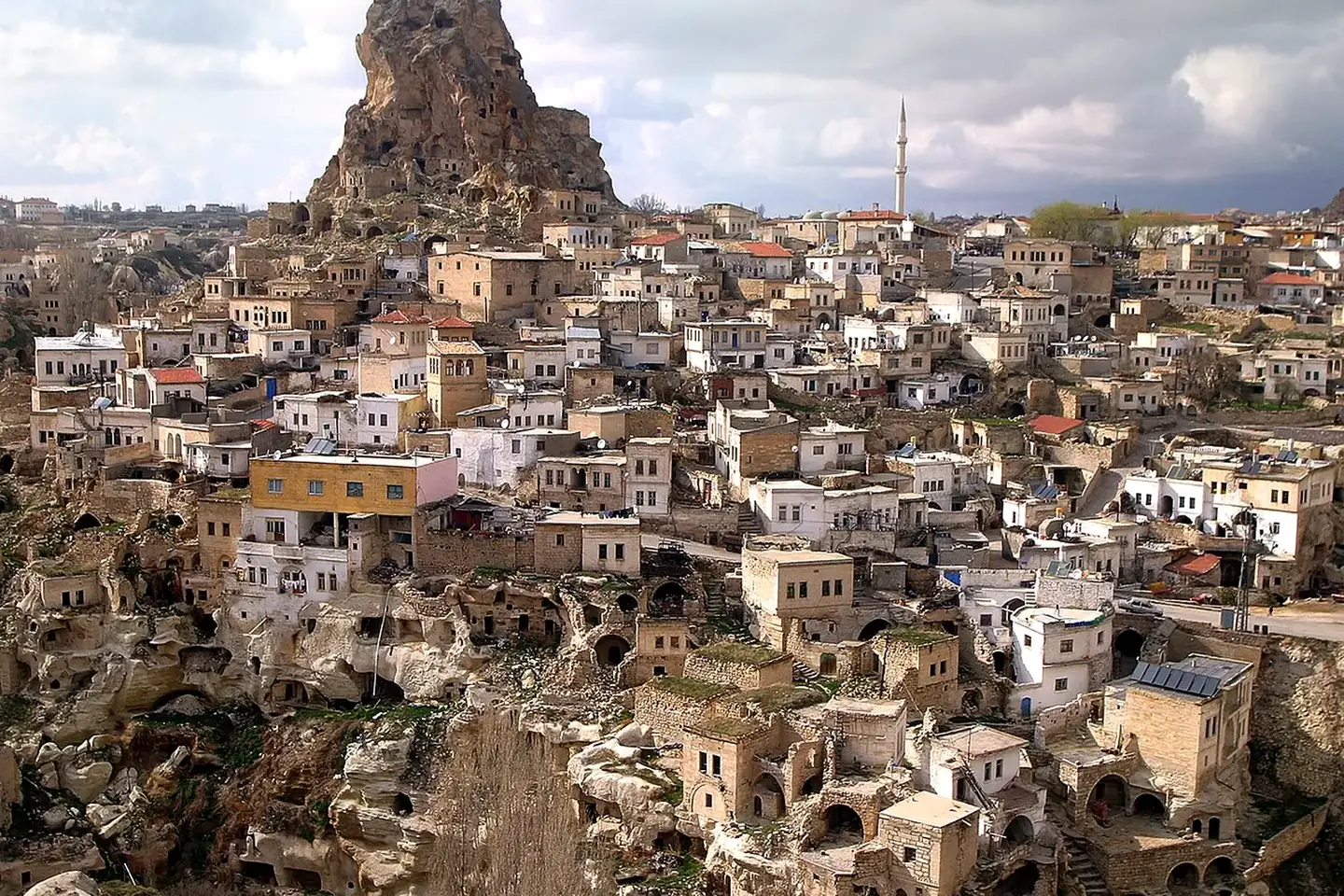
Treat ballooning as 1 part of a longer stay that includes valleys, rock-cut churches and local towns.
03
Study The Aegean Ruins
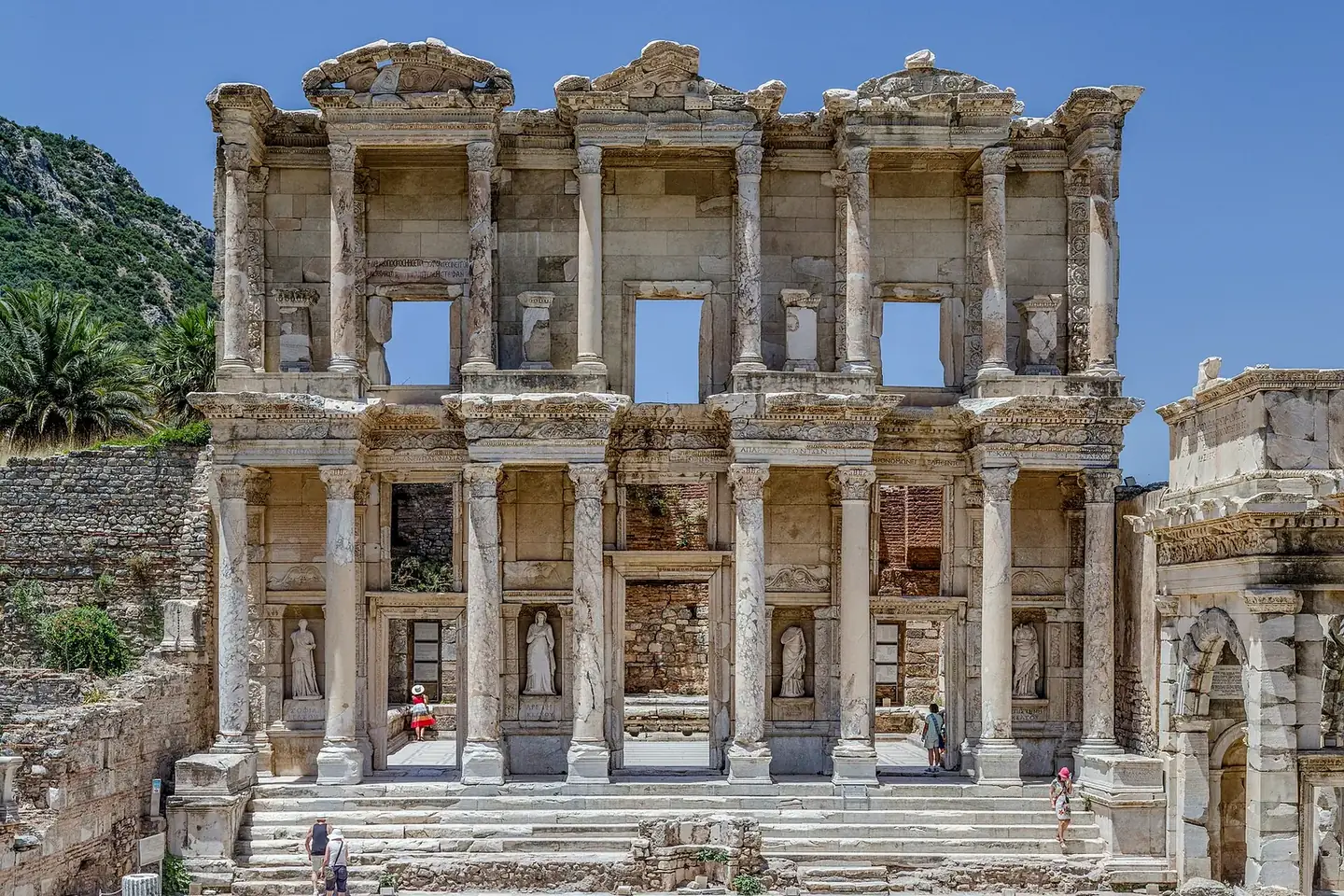
Give Ephesus and nearby Selçuk enough time for both the ancient city and its archaeological context.
04
Slow Down On The Coast
Select a coastal base around atmosphere, swimming access and the route you plan to follow.
Most interesting places
Places To Consider First
Open any place guide for its history, best time to visit, main experiences and practical planning advice.
02
Cappadocia
Discover rock-cut churches, underground cities, valleys and the region’s distinctive cave hotels.
Build the route
How To Plan Turkey With More Purpose
The best itinerary connects places logically, protects time for the experiences that matter and leaves enough space to understand the country.
Shape The Journey
Istanbul works as a strong beginning, followed by Cappadocia, the Aegean coast or both when time allows. Domestic flights save distance, while a private driver is useful for archaeological areas and coastal routes where the stops matter.
Read The Culture
Turkey’s identity reflects Anatolian civilizations, Byzantine and Ottoman history, regional cuisines and a modern republic. Mosques, churches, archaeological cities, markets and contemporary neighborhoods make more sense when the itinerary connects them instead of reducing the country to 1 era.
Choose The Right Fit
Travelers who want major cities, layered history, food and varied landscapes in 1 journey.
Places introduced in this guide include Istanbul, Cappadocia, Ephesus, Pamukkale. The final selection should reflect the season and the amount of movement you enjoy.
Practical questions
Planning Turkey Before You Book
How should I decide how many places to include?
Begin with the experiences you care about, then add the real transfer time between them. Fewer bases usually allow deeper visits and calmer arrival days. A longer list is useful only when each stop adds something distinct.
When should I confirm the final season?
April to June and September to October work well for Istanbul, Cappadocia and the archaeological sites, with generally comfortable temperatures. July and August suit the coast but can be hot and crowded inland. Winter brings a quieter Istanbul and possible snow in Cappadocia, along with shorter daylight hours.
Can the itinerary be adjusted for families or slower travel?
Yes. Room arrangements, walking, early starts, drive lengths and open time can all be reviewed around the party. Share those needs at the beginning because they can affect the best route and hotel location.
What should I verify close to departure?
Entry requirements, health guidance, weather, operating hours and local conditions can change. Check official advice and reconfirm the practical details of arranged services before travel.
Trip inspiration
3 Ways To Begin Planning Turkey
Published itineraries link to their full tour pages. Custom concepts link to the destination or tailor-made planning page and are confirmed individually.
Published itinerary
Turkey Itinerary 10 Days
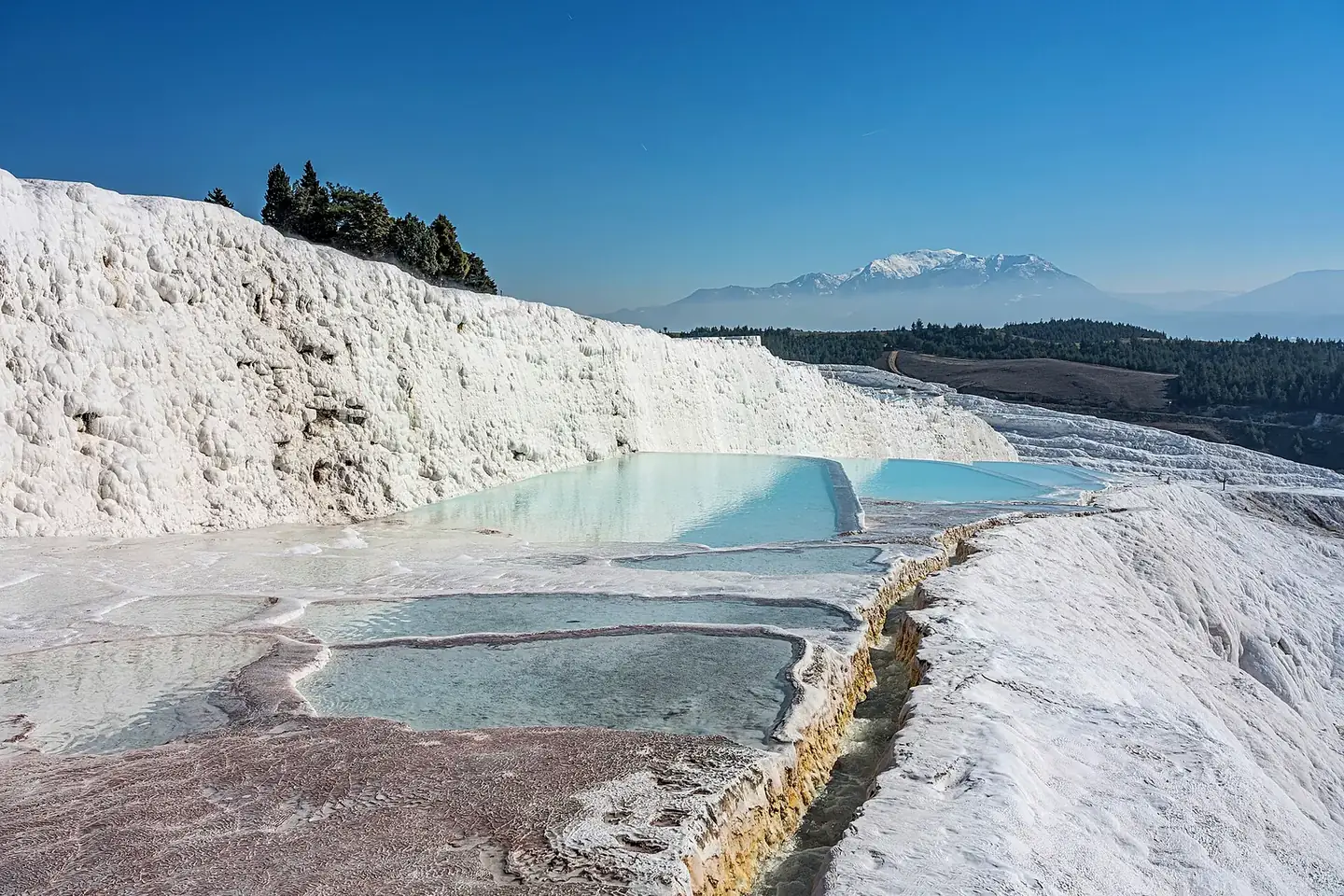
A published route through Istanbul, Cappadocia, Ephesus and Pamukkale.
Custom trip concept
Istanbul And Cappadocia
A custom shorter concept that gives Turkey’s 2 best-known regions enough time.
Custom trip concept
Aegean And Cultural Turkey
A tailor-made route adding Ephesus, Pamukkale or the coast to an Istanbul stay.
Shape Your Private Turkey Journey
Tell us your dates, priorities and preferred pace. We will help you build the right route.