
Destination guide
Tanzania
Wildlife, volcanic landscapes, Kilimanjaro and the Swahili coast make timing and logistics central to a private Tanzania journey.
At a glance
Why Tanzania Belongs On A Considered Itinerary
Tanzania can combine a northern safari circuit with Zanzibar, a Kilimanjaro extension or quieter southern parks. The right choice depends on season, wildlife priorities and how much internal travel feels comfortable.
Camp location, guiding quality and transfer planning matter as much as the list of parks. A considered itinerary avoids unnecessary backtracking and leaves room to enjoy each landscape.
Practical overview
Historical context
Layers Of History, Still Visible Today
The mainland has long histories of inland kingdoms and communities connected to Indian Ocean trade. Coastal settlements and Zanzibar became important centers in the Swahili world, linking Africa, Arabia and Asia.
After German and then British colonial rule, Tanganyika became independent in 1961. Its 1964 union with Zanzibar formed the United Republic of Tanzania, while Zanzibar retained its own distinct institutions and identity.
Best time to visit
Plan The Season Before The Route
June to October is generally dry and well suited to safari. January and February are also useful in parts of the northern circuit, especially around the southern Serengeti.
Wildlife is present year-round, but movement and access change with rainfall. Zanzibar has its own weather pattern, so safari and beach dates should be checked together.
Best things to do
Experiences That Explain Tanzania
These are practical starting points for a first private journey. The right mix depends on season, time and the way you prefer to travel.
01
Build The Safari Around Season
Choose camps by wildlife movement, road conditions and transfer time rather than by lodge photographs alone.
02
Descend Into Ngorongoro
Use an early crater entry and keep warm layers for the higher rim.
03
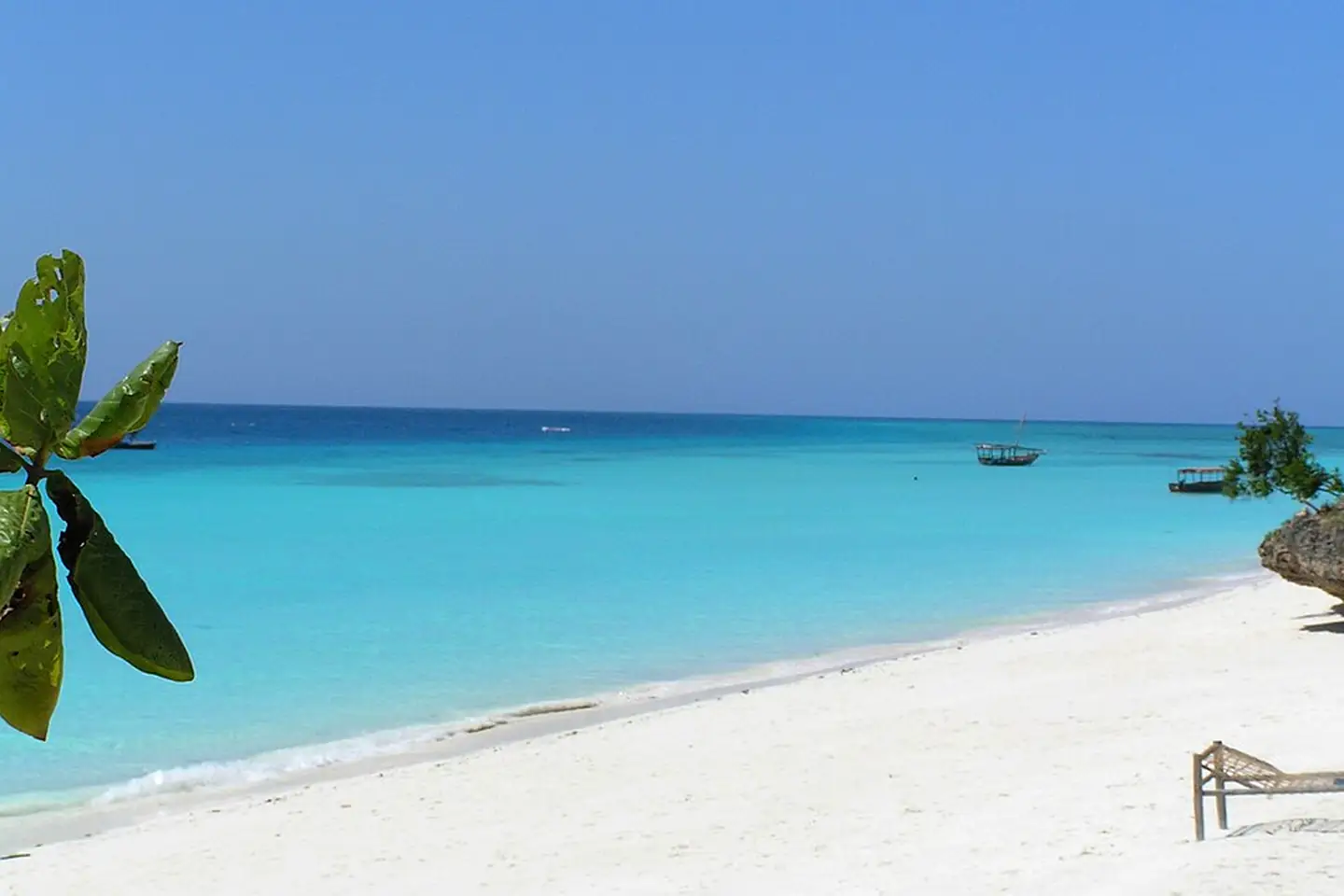
Add The Swahili Coast
Combine beach time with Stone Town, food and history so Zanzibar is more than a resort stay.
04
Approach Kilimanjaro Responsibly
Allow enough acclimatization time and use a team with strong guide and porter standards.
Most interesting places
Places To Consider First
Open any place guide for its history, best time to visit, main experiences and practical planning advice.
01
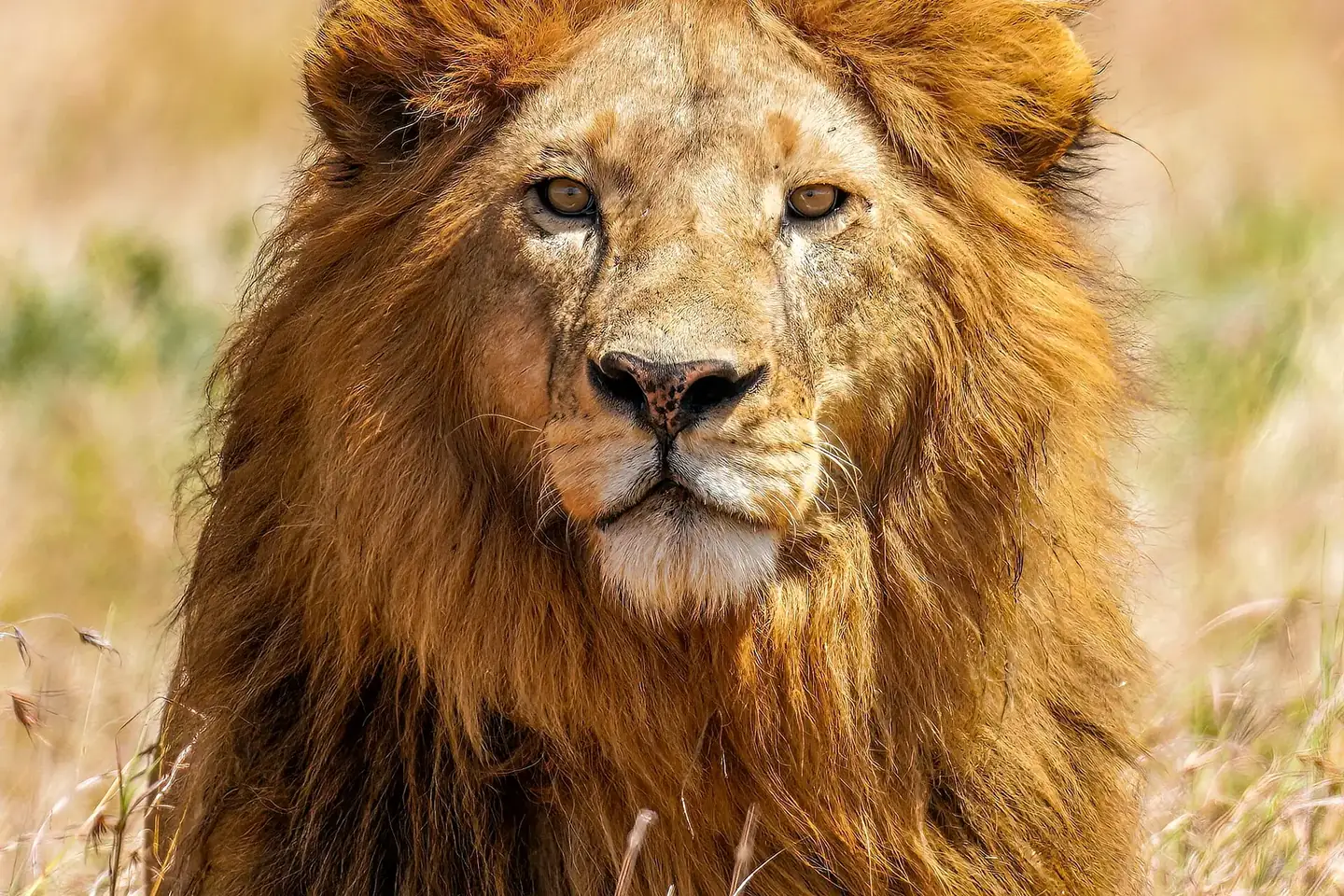
Serengeti
Plan game drives around wildlife patterns, camp location and the scale of the national park.
02
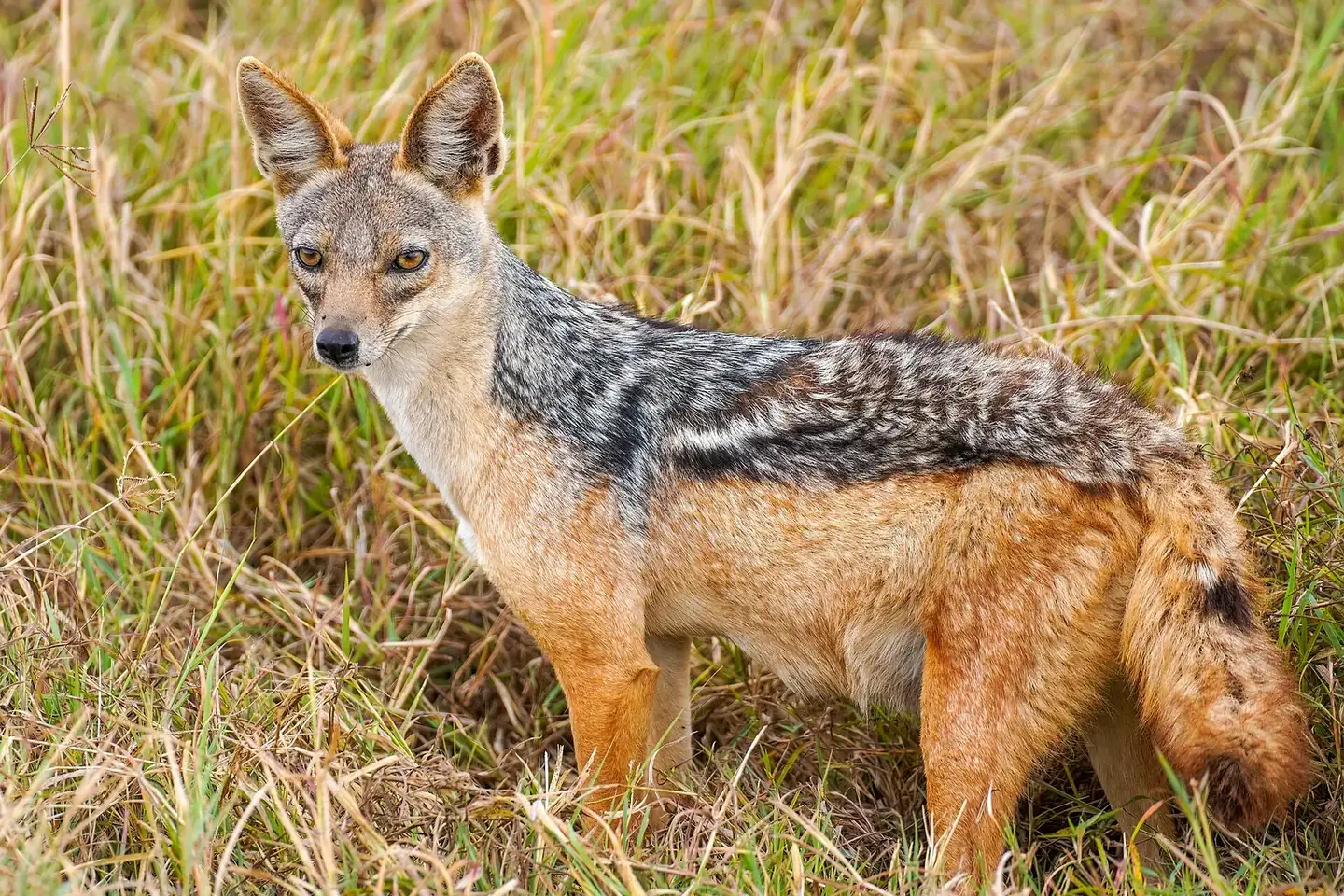
Ngorongoro Crater
Descend into a remarkable volcanic caldera known for concentrated wildlife viewing.
04
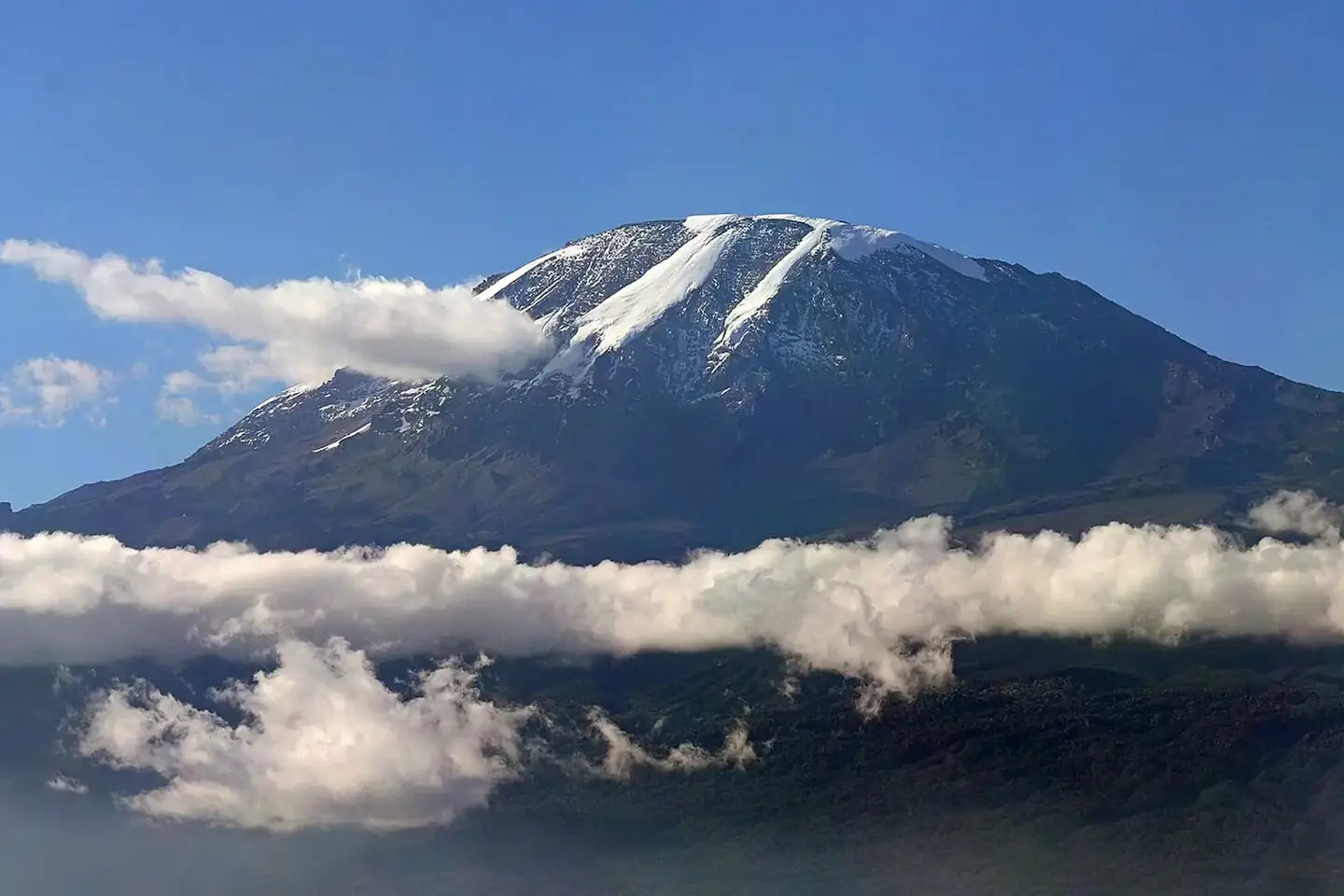
Mount Kilimanjaro
Consider a dedicated climb or a shorter foothills and cultural extension around Africa’s highest mountain.
Build the route
How To Plan Tanzania With More Purpose
The best itinerary connects places logically, protects time for the experiences that matter and leaves enough space to understand the country.
Shape The Journey
The right safari route depends on season and wildlife movement. Northern parks can be linked overland or with short flights, while Zanzibar or another coast extension should include realistic air connections and recovery time.
Read The Culture
Tanzania contains far more than wildlife reserves. Swahili coastal history, Maasai and other community traditions, Indian Ocean trade and the culture of Zanzibar add essential human context. Responsible visits should be locally led and never treated as a staged interruption to the safari.
Choose The Right Fit
Travelers planning a private safari, a safari and coast combination, or a serious Kilimanjaro trek.
Places introduced in this guide include Serengeti, Ngorongoro Crater, Zanzibar, Mount Kilimanjaro. The final selection should reflect the season and the amount of movement you enjoy.
Practical questions
Planning Tanzania Before You Book
How should I decide how many places to include?
Begin with the experiences you care about, then add the real transfer time between them. Fewer bases usually allow deeper visits and calmer arrival days. A longer list is useful only when each stop adds something distinct.
When should I confirm the final season?
June to October is generally dry and well suited to safari. January and February are also useful in parts of the northern circuit, especially around the southern Serengeti. Wildlife is present year-round, but movement and access change with rainfall. Zanzibar has its own weather pattern, so safari and beach dates should be checked together.
Can the itinerary be adjusted for families or slower travel?
Yes. Room arrangements, walking, early starts, drive lengths and open time can all be reviewed around the party. Share those needs at the beginning because they can affect the best route and hotel location.
What should I verify close to departure?
Entry requirements, health guidance, weather, operating hours and local conditions can change. Check official advice and reconfirm the practical details of arranged services before travel.
Trip inspiration
3 Ways To Begin Planning Tanzania
Published itineraries link to their full tour pages. Custom concepts link to the destination or tailor-made planning page and are confirmed individually.
Custom trip concept
Serengeti And Ngorongoro Safari
A custom northern-circuit concept shaped around the season, camp style and preferred pace.
Custom trip concept
Safari And Zanzibar
A tailor-made combination of wildlife days and a relaxed Indian Ocean finish.
Custom trip concept
Kilimanjaro Extension
A custom trekking or mountain-region extension planned around experience and available time.
Shape Your Private Tanzania Journey
Tell us your dates, priorities and preferred pace. We will help you build the right route.