
Destination guide
Egypt
Ancient monuments, Cairo’s energy and a journey along the Nile create 1 of the world’s most historically concentrated travel experiences.
Photo: Diego Delso, CC BY-SA 4.0
At a glance
Why Egypt Belongs On A Considered Itinerary
Egypt rewards good sequencing. Cairo and Giza introduce the scale of the ancient world, while Luxor, Aswan and the Nile reveal temples, tombs and landscapes across a much longer historical arc.
Private guides and carefully timed transfers help make the major sites easier to understand and more comfortable to visit, especially when the route includes domestic travel.
Practical overview
Historical context
Layers Of History, Still Visible Today
Ancient Egyptian civilization developed along the Nile over thousands of years, leaving pyramids, temples, tombs and an extraordinary written and artistic record. Greek and Roman rule later added new cultural layers.
Coptic and Islamic history are central to the story of modern Egypt. Cairo’s churches, mosques, citadel, markets and 19th- and 20th-century districts show that the country’s history extends far beyond the pharaonic era.
Best time to visit
Plan The Season Before The Route
October to April is the most comfortable period for Cairo, Luxor and Aswan. Days are generally milder, although December and January are also the busiest months.
May and September can work with early starts. Summer heat is intense in Upper Egypt, so the daily schedule needs more shade, rest and realistic transfer times.
Best things to do
Experiences That Explain Egypt
These are practical starting points for a first private journey. The right mix depends on season, time and the way you prefer to travel.
01
Read The Giza Plateau Properly
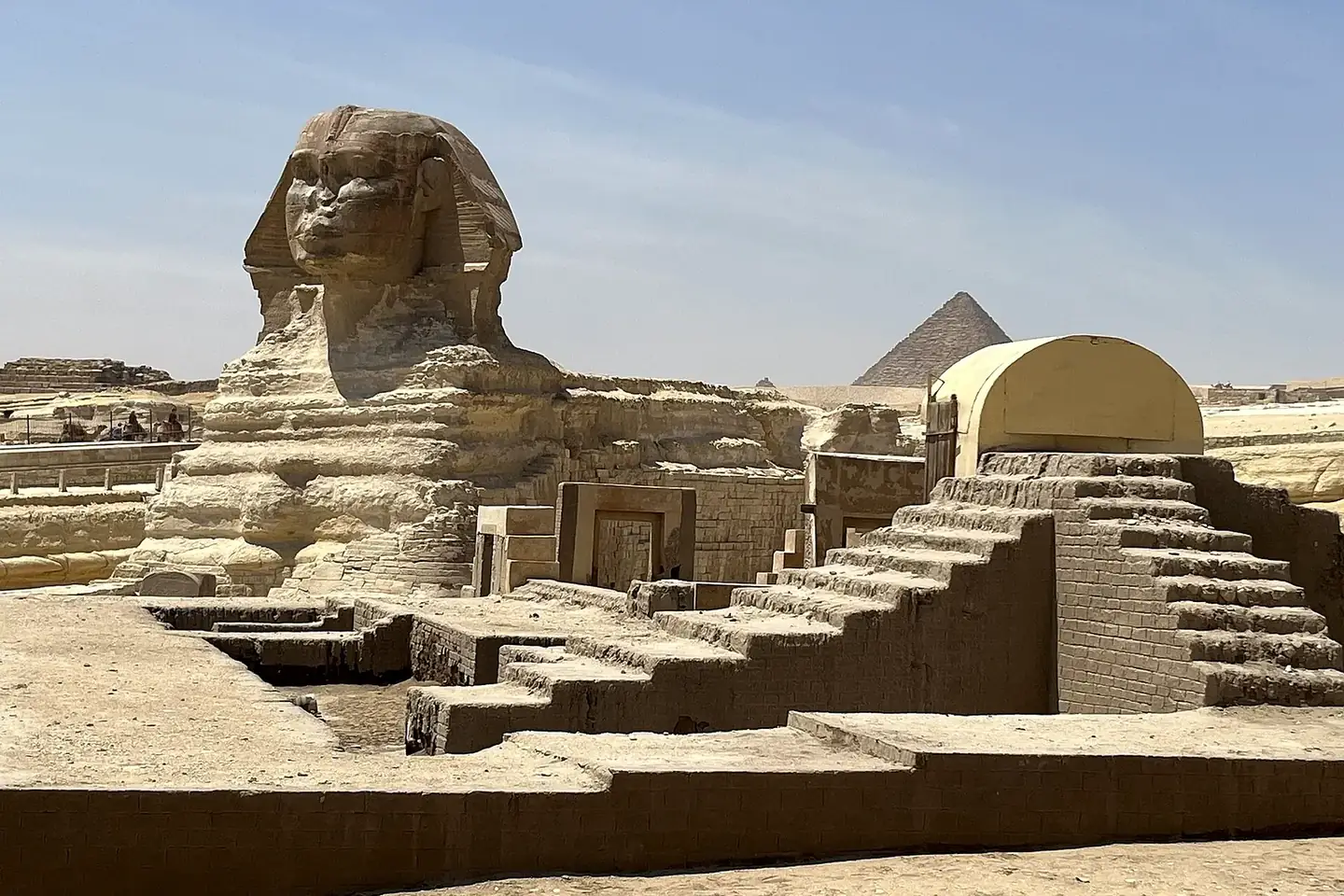
See the pyramids and Sphinx with historical context, then connect them to the major collections in Cairo.
02
Explore Both Banks At Luxor
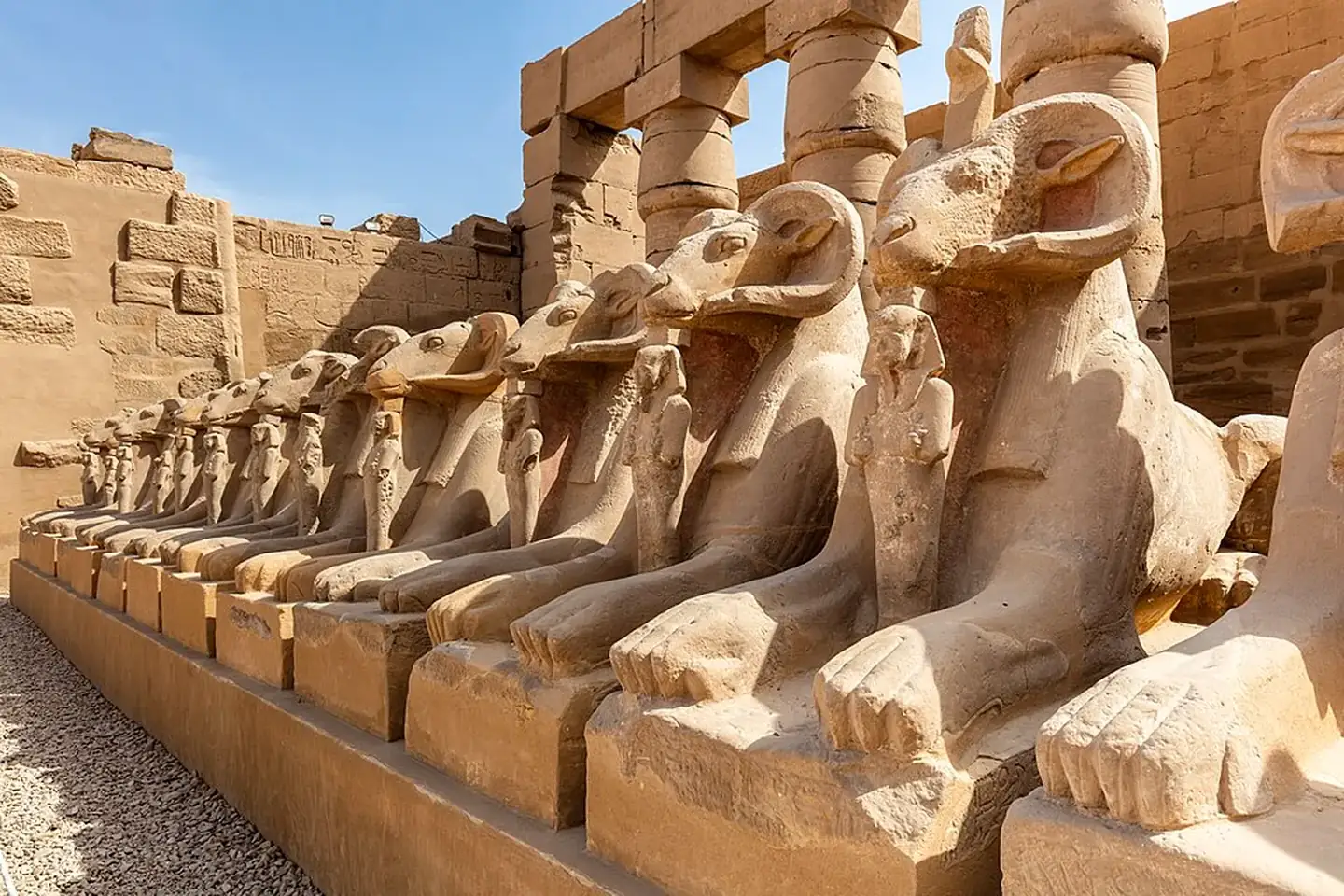
Allow time for Karnak and Luxor Temple as well as the tombs and memorial temples on the west bank.
03
Travel Along The Nile
Choose a vessel and route based on cabin quality, shore time and the style of guiding you prefer.
04
Continue South To Aswan
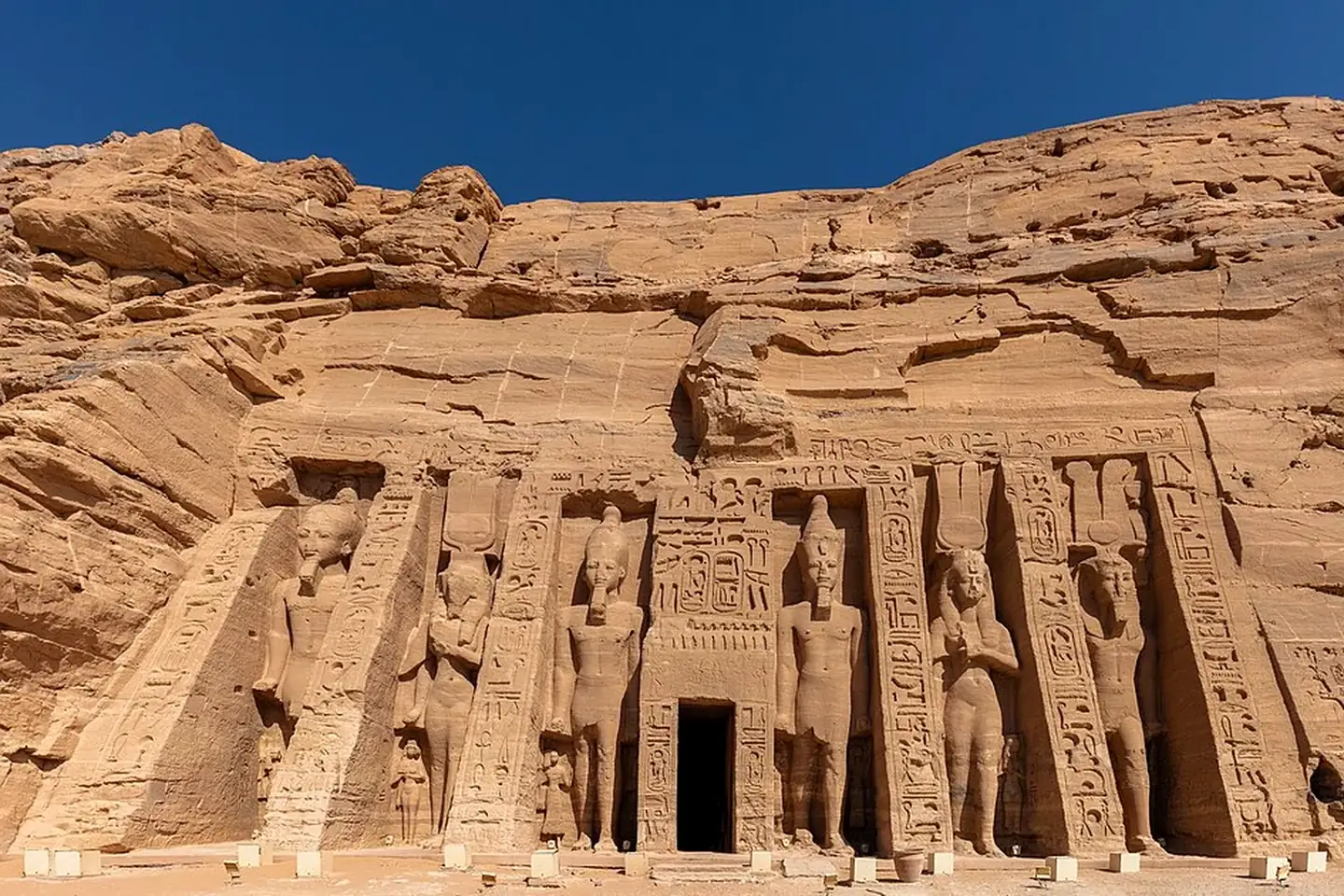
Balance the major monuments with river islands, Nubian heritage and a carefully planned Abu Simbel visit.
Most interesting places
Places To Consider First
Open any place guide for its history, best time to visit, main experiences and practical planning advice.
01
Giza And Cairo
See the pyramids and Sphinx, then add major museums and the historic quarters of Cairo.
03
Aswan And Abu Simbel
Slow the pace in Aswan and consider the monumental temples of Abu Simbel farther south.

04
The Nile
Connect Upper Egypt by cruise or private touring, allowing the river to become part of the journey itself.
Build the route
How To Plan Egypt With More Purpose
The best itinerary connects places logically, protects time for the experiences that matter and leaves enough space to understand the country.
Shape The Journey
Cairo and Giza need their own time before or after Upper Egypt. Luxor, Aswan and a Nile journey can then be arranged in an order that respects flight schedules, sailing programs and the heat of exposed archaeological sites.
Read The Culture
Ancient Egypt is central to the journey, but it is not the whole country. Coptic heritage, Islamic Cairo, Nubian culture, the modern capital and everyday life along the Nile provide a fuller understanding when the itinerary makes room for them.
Choose The Right Fit
Travelers who want archaeology, monumental history and a structured journey along the Nile.
Places introduced in this guide include Giza and Cairo, Luxor, Aswan and Abu Simbel, The Nile. The final selection should reflect the season and the amount of movement you enjoy.
Practical questions
Planning Egypt Before You Book
How should I decide how many places to include?
Begin with the experiences you care about, then add the real transfer time between them. Fewer bases usually allow deeper visits and calmer arrival days. A longer list is useful only when each stop adds something distinct.
When should I confirm the final season?
October to April is the most comfortable period for Cairo, Luxor and Aswan. Days are generally milder, although December and January are also the busiest months. May and September can work with early starts. Summer heat is intense in Upper Egypt, so the daily schedule needs more shade, rest and realistic transfer times.
Can the itinerary be adjusted for families or slower travel?
Yes. Room arrangements, walking, early starts, drive lengths and open time can all be reviewed around the party. Share those needs at the beginning because they can affect the best route and hotel location.
What should I verify close to departure?
Entry requirements, health guidance, weather, operating hours and local conditions can change. Check official advice and reconfirm the practical details of arranged services before travel.
Trip inspiration
3 Ways To Begin Planning Egypt
Published itineraries link to their full tour pages. Custom concepts link to the destination or tailor-made planning page and are confirmed individually.
Published itinerary
Egypt Itinerary 9 Days
A published private route through Cairo, Aswan, a Nile cruise and Luxor.
Published itinerary
Egypt Itinerary 8 Days
A focused Egypt itinerary combining Giza, Cairo and the principal sites of Upper Egypt.
Custom trip concept
Custom Egypt Journey
A tailor-made route for different hotel preferences, cruise styles or additional time at the Red Sea.
Shape Your Private Egypt Journey
Tell us your dates, priorities and preferred pace. We will help you build the right route.