
Destination guide
Morocco
Imperial cities, artisan traditions, Atlantic air, mountain roads and desert landscapes can all belong to 1 well-paced private journey.
Photo: Fbrandao.1963, CC BY-SA 4.0
At a glance
Why Morocco Belongs On A Considered Itinerary
Morocco brings together Amazigh, Arab, African, Andalusian and Mediterranean influences. Its cities and landscapes change quickly, so a thoughtful route is more valuable than a long checklist.
A first visit often connects Marrakech and Fes with the High Atlas or Sahara, then adds the Atlantic coast or northern Morocco when the available time allows.
Practical overview
Historical context
Layers Of History, Still Visible Today
Morocco has deep Amazigh roots and was shaped by successive Islamic dynasties that founded imperial capitals, trade routes and centers of learning. Fes, Marrakech, Rabat and Meknes each preserve a distinct chapter of that story.
The country later experienced French and Spanish protectorates before regaining independence in 1956. Historic medinas, kasbahs, mosques, gardens and craft traditions keep those layers visible in everyday life.
Best time to visit
Plan The Season Before The Route
Spring and autumn suit most cultural routes. March to May and September to November usually bring comfortable days in the cities, mountains and desert approaches.
Summer works well on the Atlantic coast but can be very hot inland. Winter is pleasant in Marrakech and the south, with cold nights in the mountains and desert.
Best things to do
Experiences That Explain Morocco
These are practical starting points for a first private journey. The right mix depends on season, time and the way you prefer to travel.
01
Walk The Imperial Cities
Use a private guide in Marrakech or Fes to understand the medinas, monuments and working craft quarters.
02
Cross The Atlas Mountains
Take the slower road through villages, valleys and high passes when weather and time allow.
03
Spend Time In The Sahara
Plan enough time for the southeast rather than treating the dunes as a rushed overnight stop.
04
Follow The Atlantic Coast
Add Essaouira or another coastal base for seafood, sea air and a quieter pace.
Most interesting places
Places To Consider First
Open any place guide for its history, best time to visit, main experiences and practical planning advice.
01
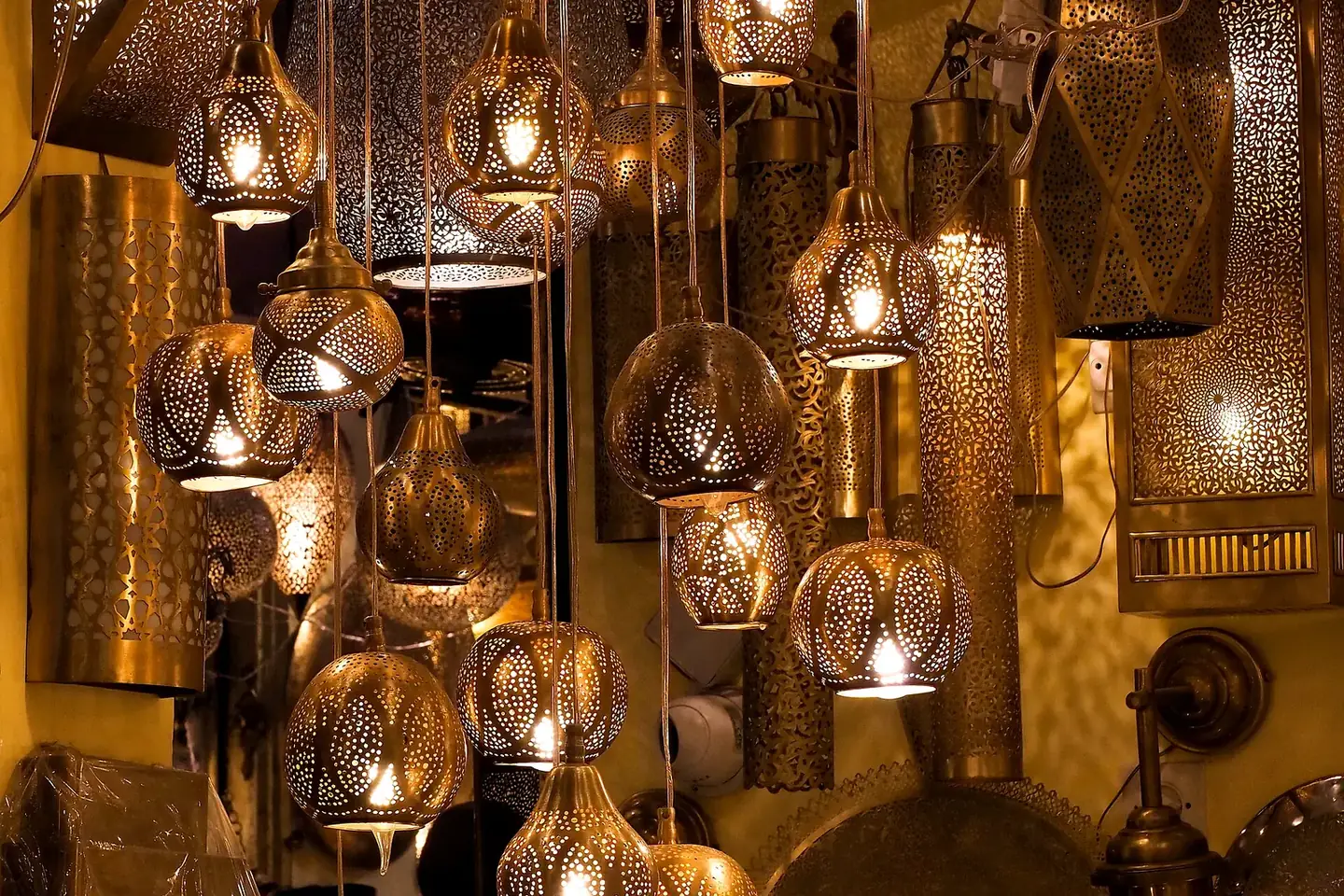
Marrakech
Explore the medina, palaces, gardens and contemporary design scene, with the Atlas Mountains within reach.
02
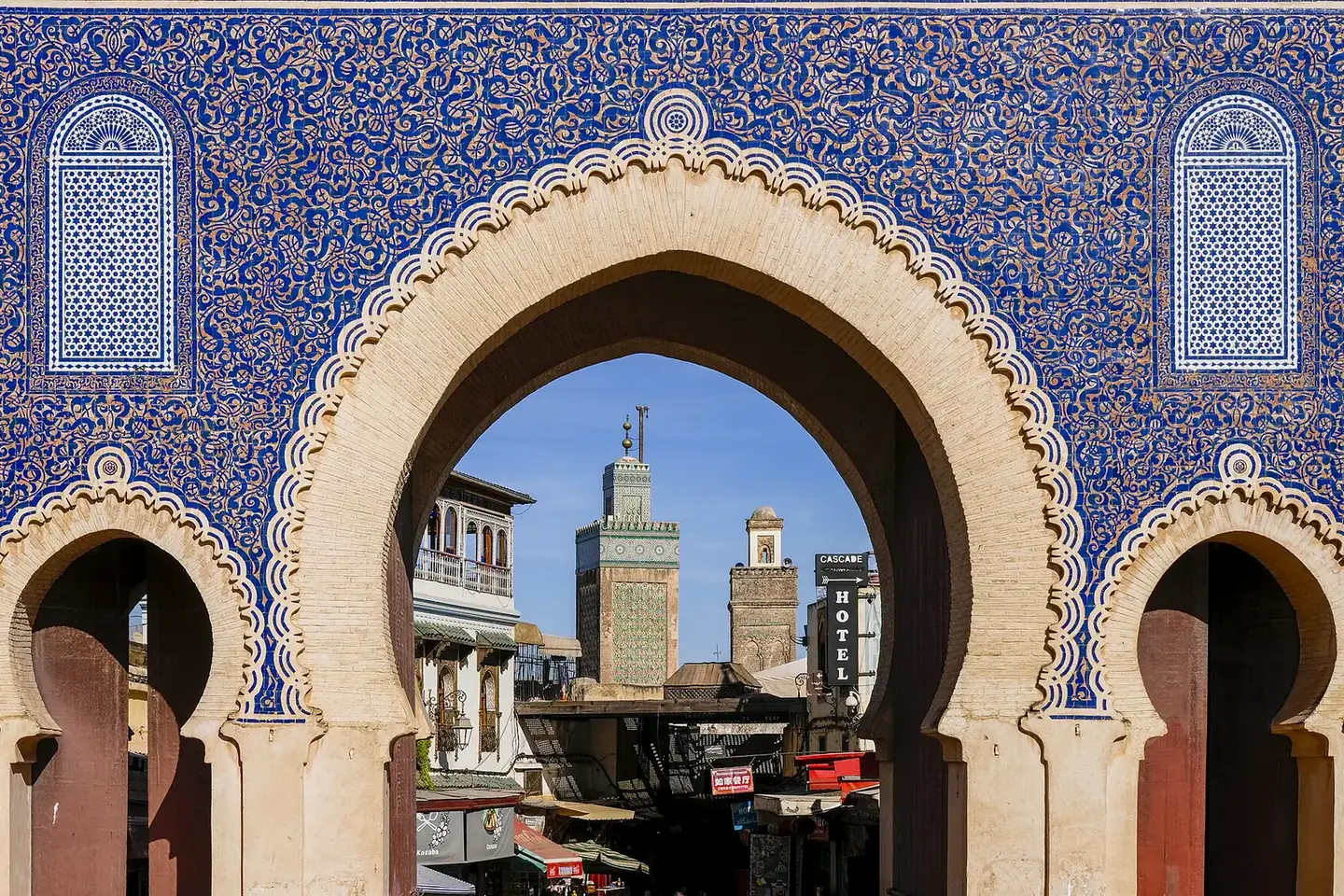
Fes
Walk 1 of the world’s best-known historic medinas and discover Morocco’s religious, scholarly and craft heritage.
03
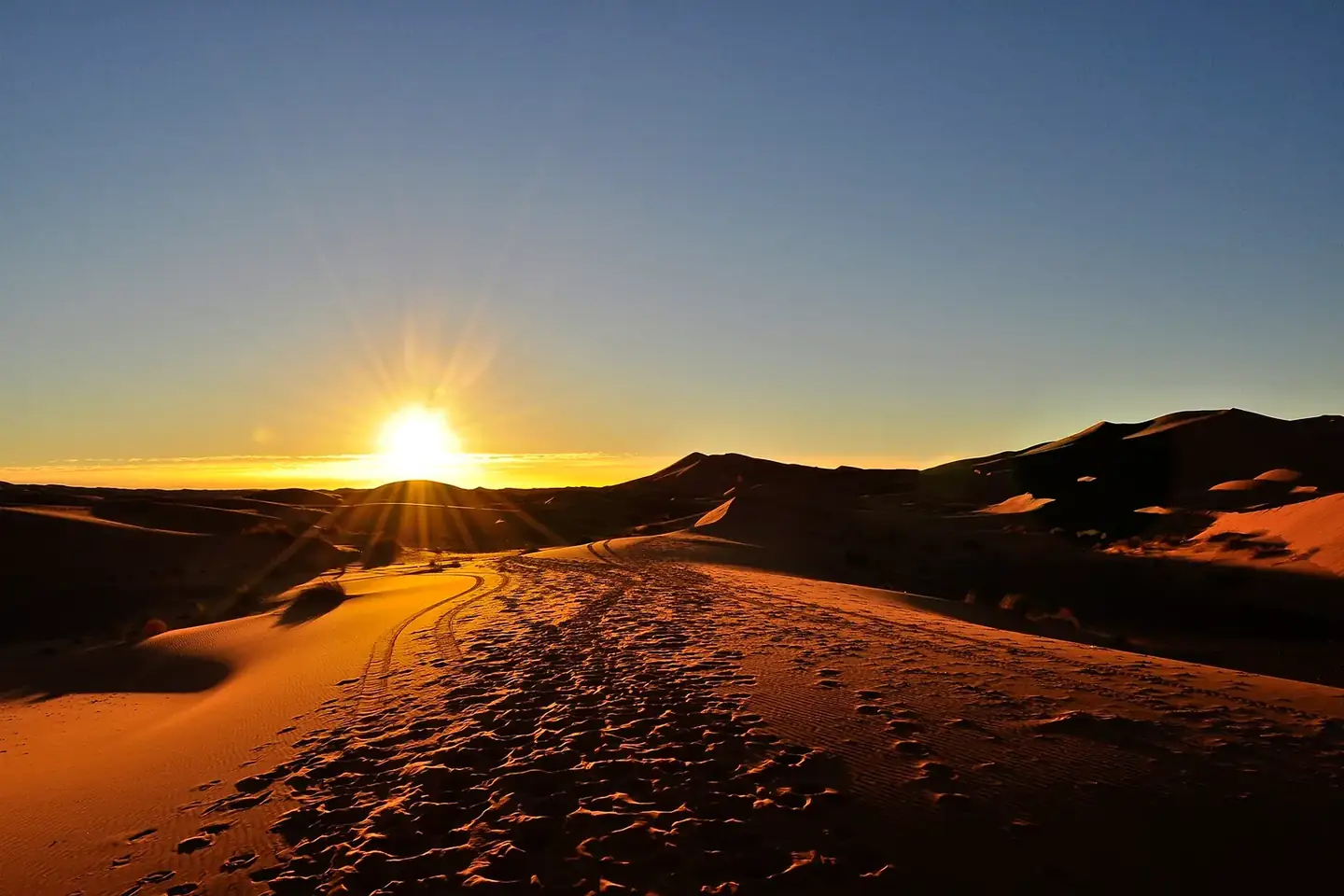
Sahara Desert
Travel toward Merzouga and the Erg Chebbi dunes for desert landscapes and a carefully chosen overnight camp.
04
Chefchaouen
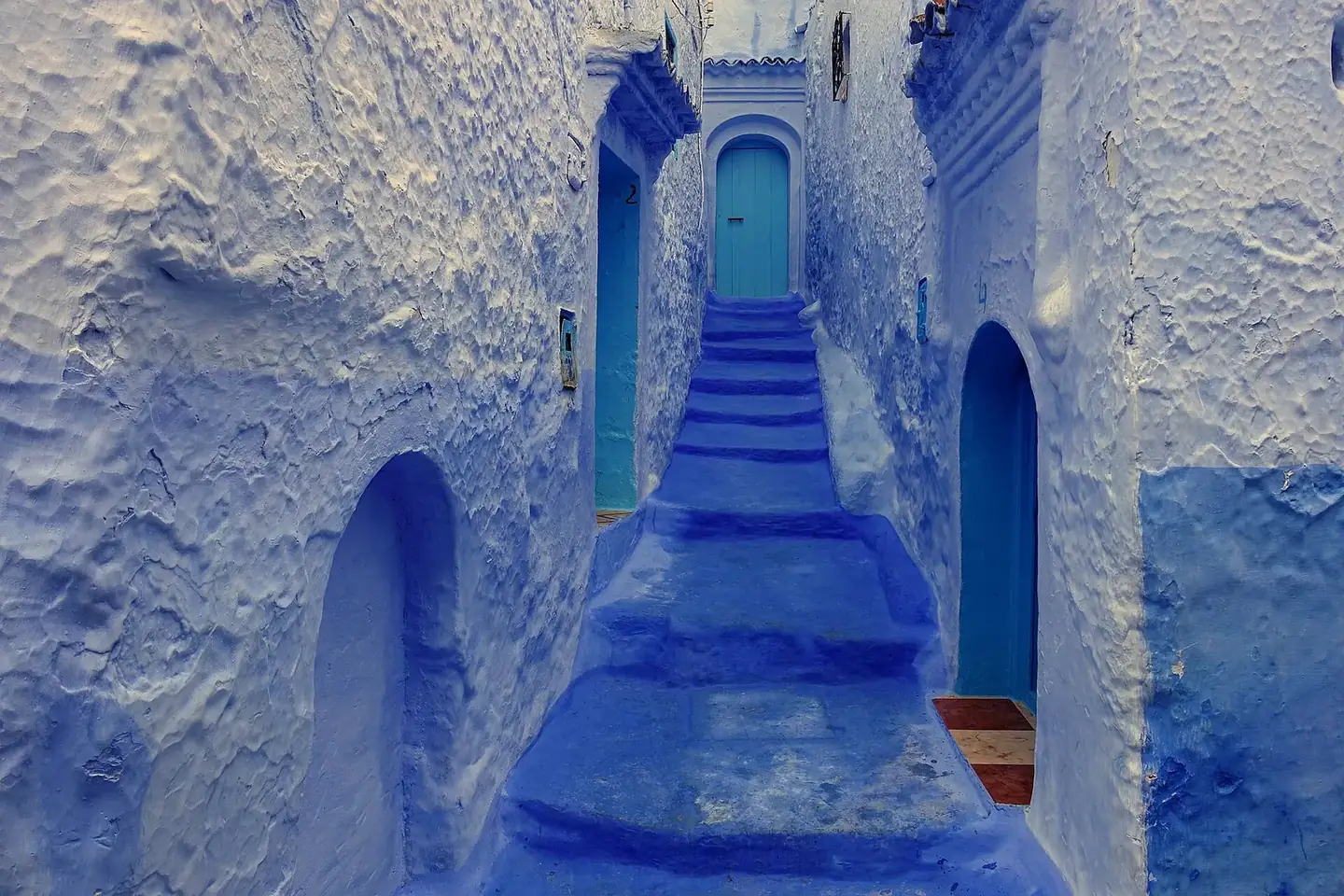
Add the blue-washed Rif Mountain town to a northern route through Tangier, Tetouan or Fes.
Build the route
How To Plan Morocco With More Purpose
The best itinerary connects places logically, protects time for the experiences that matter and leaves enough space to understand the country.
Shape The Journey
A first route often works best when it connects 2 major cities with 1 landscape section, such as the High Atlas, Sahara or Atlantic coast. Long drives toward the desert should be treated as part of the journey, with suitable stops, rather than hidden inside an overfull schedule.
Read The Culture
Moroccan culture is regionally varied. Amazigh languages and traditions, Arab and Andalusian influences, Islamic architecture, Jewish heritage and connections across the Sahara all belong to the wider story. Food also changes by region, so markets, home-style cooking and carefully chosen restaurants can add as much context as monuments.
Choose The Right Fit
Travelers interested in living history, craft, architecture, food and changing landscapes.
Places introduced in this guide include Marrakech, Fes, Sahara Desert, Chefchaouen. The final selection should reflect the season and the amount of movement you enjoy.
Practical questions
Planning Morocco Before You Book
How should I decide how many places to include?
Begin with the experiences you care about, then add the real transfer time between them. Fewer bases usually allow deeper visits and calmer arrival days. A longer list is useful only when each stop adds something distinct.
When should I confirm the final season?
Spring and autumn suit most cultural routes. March to May and September to November usually bring comfortable days in the cities, mountains and desert approaches. Summer works well on the Atlantic coast but can be very hot inland. Winter is pleasant in Marrakech and the south, with cold nights in the mountains and desert.
Can the itinerary be adjusted for families or slower travel?
Yes. Room arrangements, walking, early starts, drive lengths and open time can all be reviewed around the party. Share those needs at the beginning because they can affect the best route and hotel location.
What should I verify close to departure?
Entry requirements, health guidance, weather, operating hours and local conditions can change. Check official advice and reconfirm the practical details of arranged services before travel.
Trip inspiration
3 Ways To Begin Planning Morocco
Published itineraries link to their full tour pages. Custom concepts link to the destination or tailor-made planning page and are confirmed individually.
Published itinerary
Morocco Itinerary 15 Days
A broad private route linking imperial cities, Chefchaouen, the Sahara, Atlas landscapes and Essaouira.
Published itinerary
Morocco Itinerary 13 Days
A 2-week-style circuit for major cultural highlights, scenic drives and time in the desert.
Published itinerary
Morocco Itinerary 8 Days
A more focused introduction designed for travelers working with just over 1 week.
Shape Your Private Morocco Journey
Tell us your dates, priorities and preferred pace. We will help you build the right route.