
Destination guide
Italy
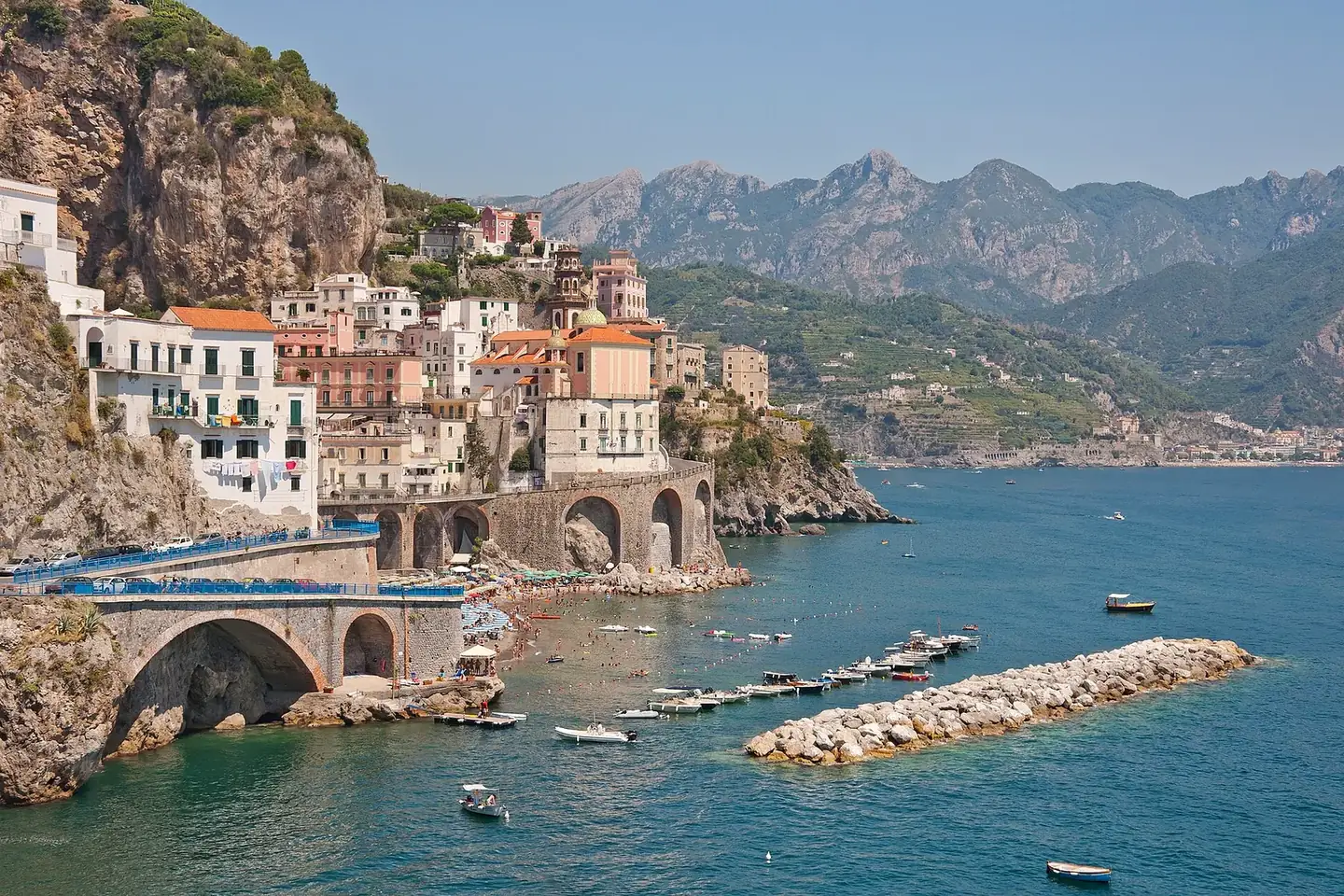
Ancient cities, Renaissance art, regional food and dramatic coastlines reward an itinerary with fewer bases and more time in each place.
Photo: Paolo Costa Baldi, CC BY 3.0
At a glance
Why Italy Belongs On A Considered Itinerary
Italy’s appeal is regional. Rome, Florence and Venice form a classic first route, while Tuscany, the Amalfi Coast, lakes, islands and smaller cities can add depth when time allows.
Private guides are especially useful at major cultural sites, while well-planned rail and road transfers keep the journey comfortable. The best route balances landmarks with local daily life.
Practical overview
Historical context
Layers Of History, Still Visible Today
Etruscan and Greek settlements preceded the rise of Rome, whose republic and empire shaped Europe and the Mediterranean. Roman monuments, roads and urban plans remain visible across the country.
After Rome, independent cities and courts became centers of trade, art and scholarship. The Renaissance transformed Florence and other cities, while political unification in the 19th century created modern Italy.
Best time to visit
Plan The Season Before The Route
April to June and September to October usually offer a good balance of weather and daylight for cities and countryside.
July and August are hot and busy in many famous places. Winter can be rewarding in the major art cities, while many coastal services operate on a reduced schedule.
Best things to do
Experiences That Explain Italy
These are practical starting points for a first private journey. The right mix depends on season, time and the way you prefer to travel.
01
Use Specialist Guides In The Art Cities
A focused guide helps make sense of large archaeological sites and museum collections without overloading the day.
02
Travel Between Regions By Rail
Fast trains link the main cities, while a private driver is more useful in countryside and coastal areas.
03
Taste Food In Its Home Region
Plan meals, markets and producer visits around local traditions rather than 1 national menu.
04
Protect Time For Ordinary Streets
Leave room for neighborhood walks and evenings outside the busiest sightseeing hours.
Most interesting places
Places To Consider First
Open any place guide for its history, best time to visit, main experiences and practical planning advice.
01
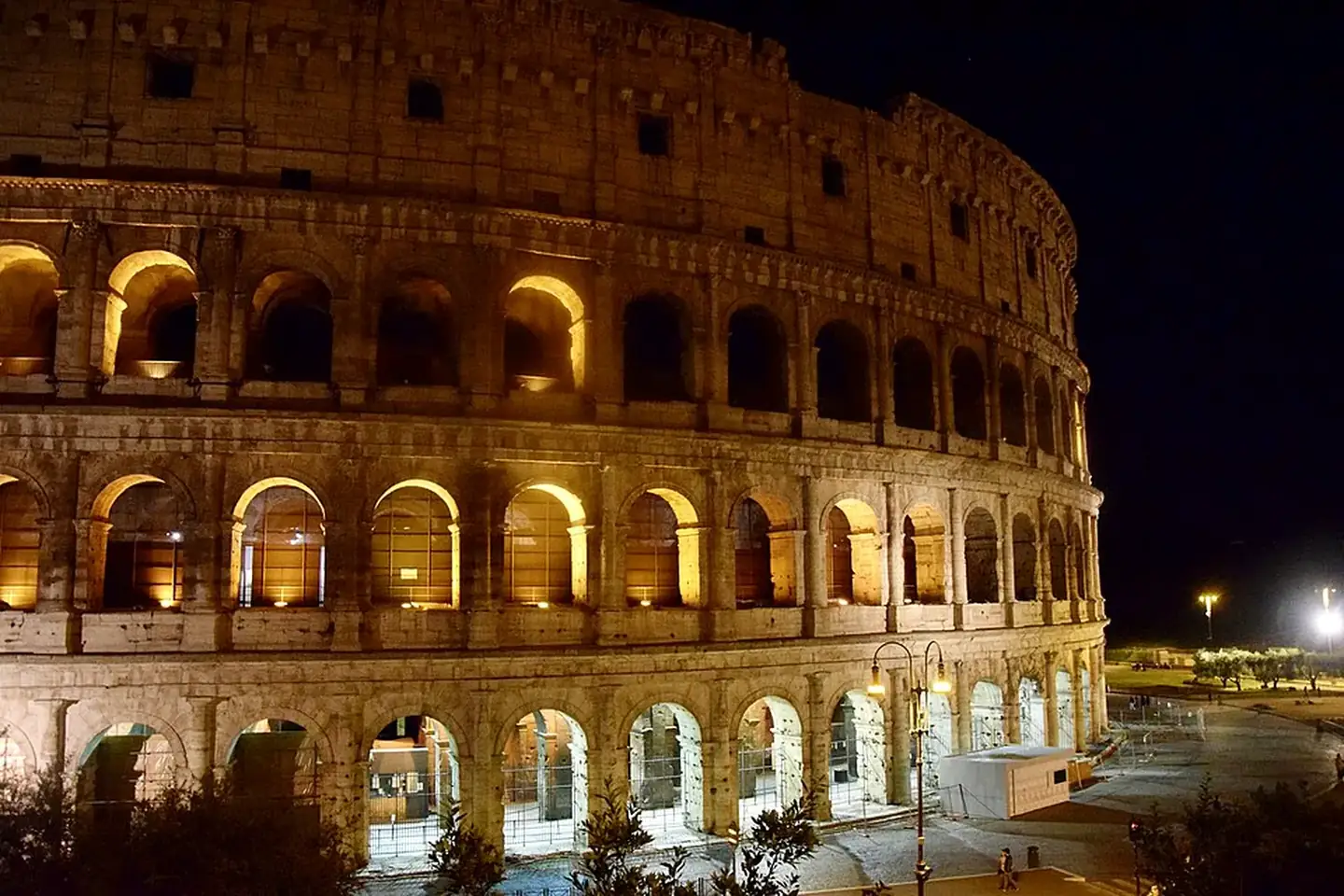
Rome
Give the Colosseum, Forum, historic center and Vatican collections enough time rather than compressing them into 1 day.
02
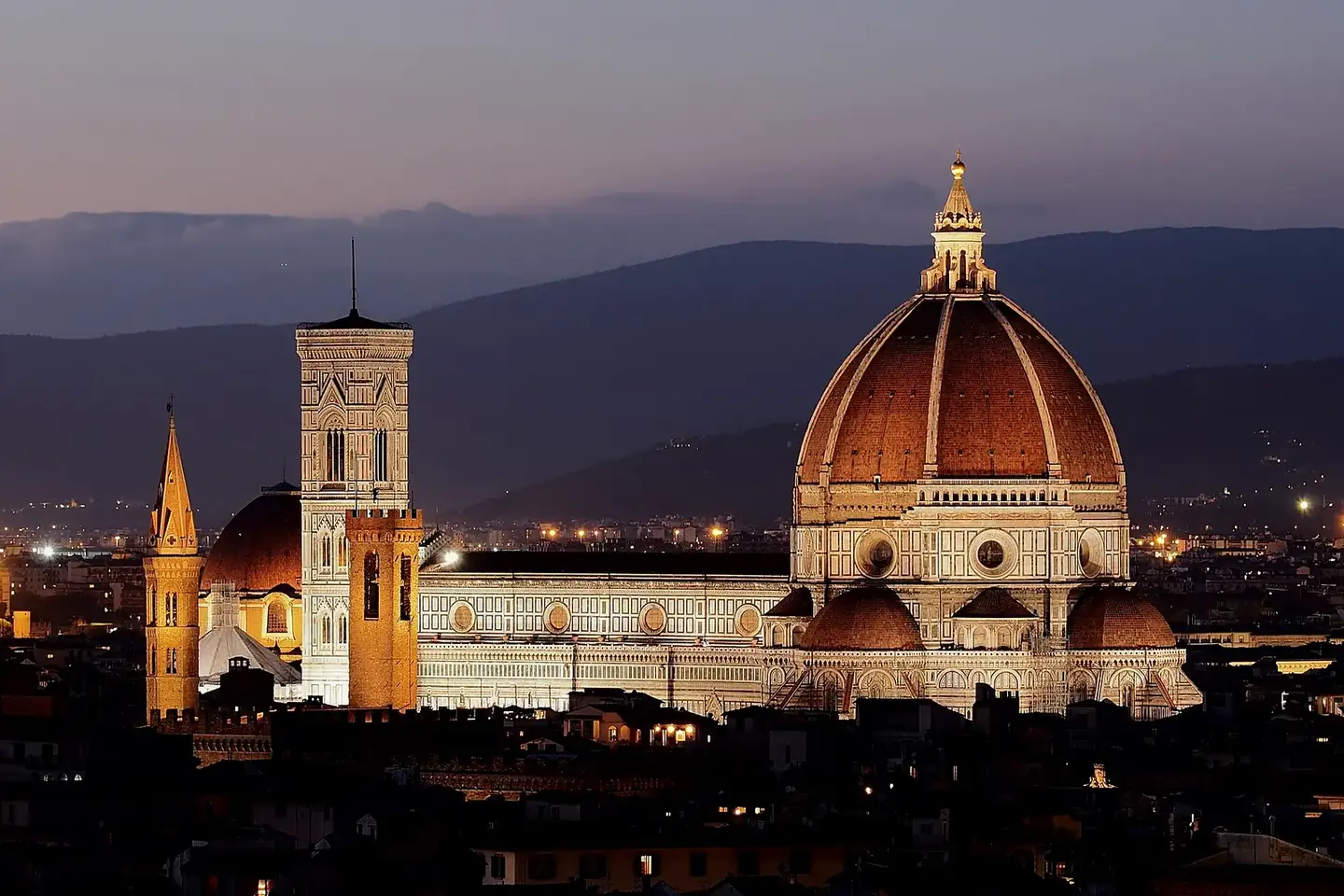
Florence And Tuscany
Combine Renaissance art and architecture with countryside towns, food and wine traditions.
03
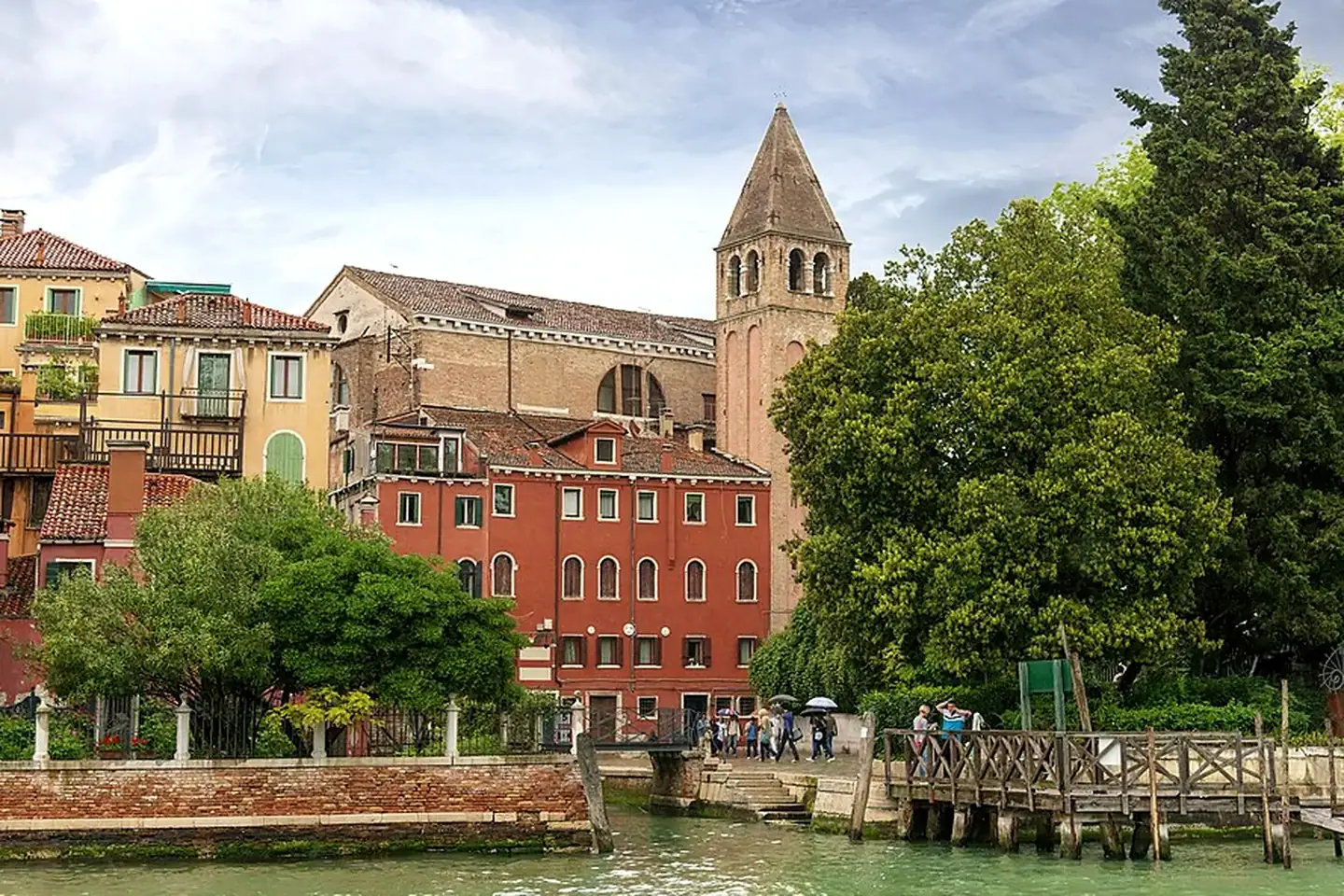
Venice
Stay in the historic city to experience its canals, palaces and quieter neighborhoods beyond peak hours.
04
Amalfi Coast
Plan scenic drives, coastal towns and nearby archaeology with realistic transfer times.
Build the route
How To Plan Italy With More Purpose
The best itinerary connects places logically, protects time for the experiences that matter and leaves enough space to understand the country.
Shape The Journey
Italy rewards selectivity. Rome, Florence and Venice can form a classic rail route, while Tuscany, the Amalfi Coast or the lakes need different transport and a slower pace. 2 strong regions are often more satisfying than a hurried national checklist.
Read The Culture
Italian history and food are intensely regional. Art cities, former republics, rural landscapes and local cooking traditions differ over short distances. Time with specialist guides and smaller producers can make those differences easier to understand.
Choose The Right Fit
Travelers interested in art, architecture, food, design and a balance of cities and countryside.
Places introduced in this guide include Rome, Florence and Tuscany, Venice, Amalfi Coast. The final selection should reflect the season and the amount of movement you enjoy.
Practical questions
Planning Italy Before You Book
How should I decide how many places to include?
Begin with the experiences you care about, then add the real transfer time between them. Fewer bases usually allow deeper visits and calmer arrival days. A longer list is useful only when each stop adds something distinct.
When should I confirm the final season?
April to June and September to October usually offer a good balance of weather and daylight for cities and countryside. July and August are hot and busy in many famous places. Winter can be rewarding in the major art cities, while many coastal services operate on a reduced schedule.
Can the itinerary be adjusted for families or slower travel?
Yes. Room arrangements, walking, early starts, drive lengths and open time can all be reviewed around the party. Share those needs at the beginning because they can affect the best route and hotel location.
What should I verify close to departure?
Entry requirements, health guidance, weather, operating hours and local conditions can change. Check official advice and reconfirm the practical details of arranged services before travel.
Trip inspiration
3 Ways To Begin Planning Italy
Published itineraries link to their full tour pages. Custom concepts link to the destination or tailor-made planning page and are confirmed individually.
Published itinerary
Italy Itinerary 15 Days
A wide private route through Rome, Naples, Sorrento, Capri, Florence, Cinque Terre and Venice.
Published itinerary
Italy Itinerary 14 Days
Rome, Naples, Sorrento, Florence, Bologna and Venice with art, culture and coastal time.
Published itinerary
Italy Itinerary 10 Days
A classic introduction connecting Rome, Florence, Tuscany and Venice.
Shape Your Private Italy Journey
Tell us your dates, priorities and preferred pace. We will help you build the right route.