
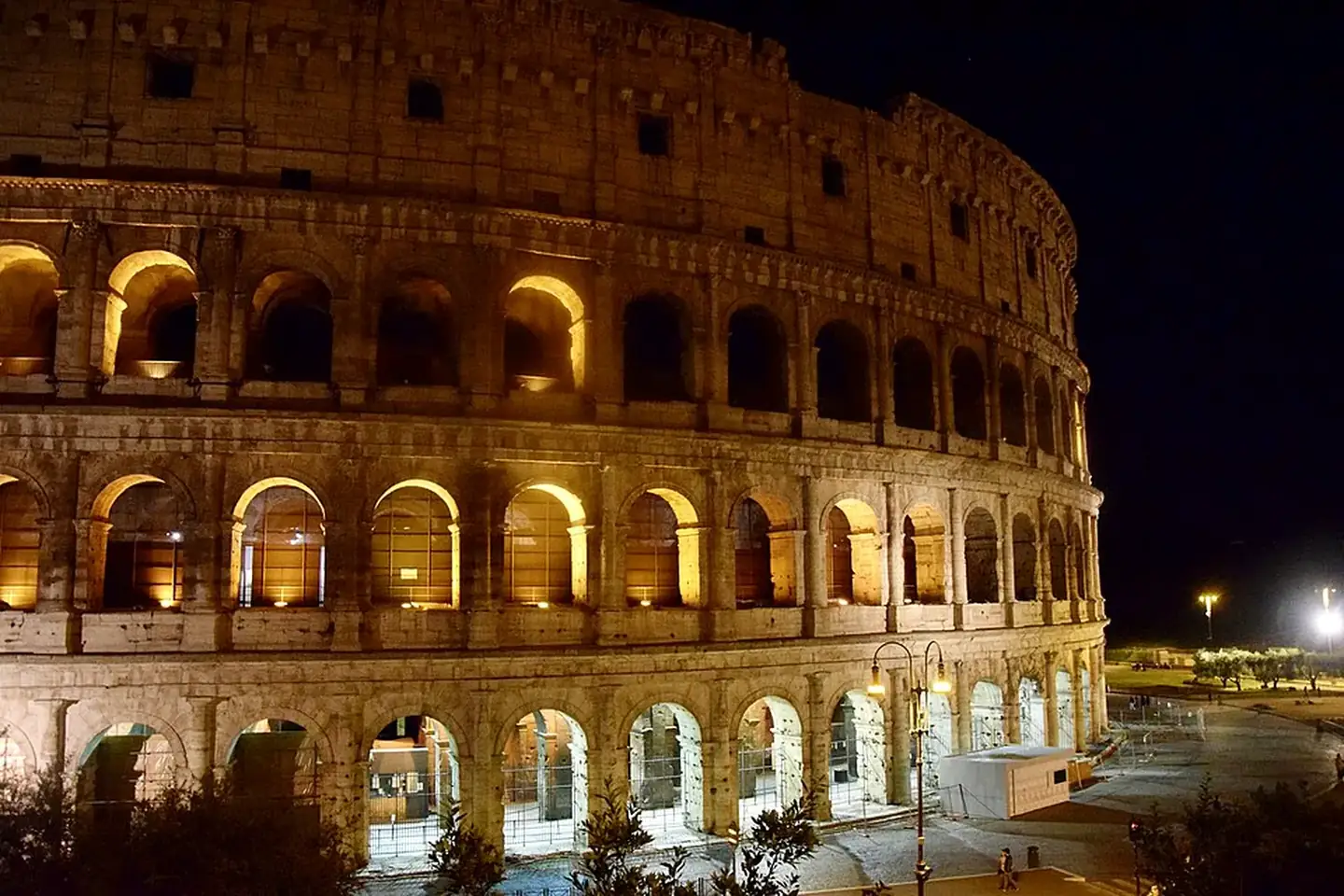
Rome
Rome rewards unhurried days that connect ancient power, Christian history, Renaissance patronage and the texture of modern neighborhoods.
Photo: Ank Kumar, CC BY-SA 4.0
Place overview
Understanding Rome
The Colosseum, Roman Forum, Pantheon and Vatican collections anchor a first visit, but distances, entry rules and crowds require realistic daily planning.
Private guiding is most valuable when it creates a clear historical thread. Evenings, food walks and time in quieter streets keep the itinerary from becoming a sequence of monuments.
At a glance
History and identity
How the place took shape
Rome grew from an ancient settlement into the center of a republic and empire that shaped the Mediterranean. Its roads, laws, engineering and political ideas left an enduring legacy.
After antiquity, papal power and artistic patronage transformed the city through the Renaissance and Baroque periods. Rome became the capital of unified Italy in 1871.
Best time to visit
Choose the season around the experience
April to June and September to October usually offer a good balance of weather and daylight for cities and countryside.
July and August are hot and busy in many famous places. Winter can be rewarding in the major art cities, while many coastal services operate on a reduced schedule.
Best things to do
Experiences and places worth your time
Use these ideas as a starting point, then adjust the order and depth to your interests, energy and available days.
01
Ancient Rome
Connect the Colosseum, Forum and Palatine with timed access and a focused archaeological narrative.
02
Vatican collections
Choose the route and time carefully; the museums are vast and work best with clear priorities.
03
Living neighborhoods
Balance major sites with markets, piazzas, food and quieter walks after the daytime crowds.
Make the visit work
Three decisions for a better stay in Rome
Use the place as part of a complete route, not an isolated stop. Time, location and the way you visit can change the experience.
Allow a useful pace
The suggested starting point is three or four nights. Adjust it for arrival time, walking, weather and how deeply you want to explore.
Connect the route
A practical pairing is Florence, Naples or the Amalfi Coast. Check the actual transfer and avoid using a valuable day only to collect another place name.
Plan around the character
Rome is known for ancient rome, vatican art and baroque streets. Choose guides, accommodation and free time that help you experience that character clearly.
Protect some open time
Not every hour needs a reservation. A free evening, a slower meal or time to revisit an area can make the stay feel more personal and less mechanical.
Frequently asked
Before visiting Rome
How much time should I consider?
Three or four nights is a useful starting point, but arrival and departure hours matter. Add time if the place is central to the trip or if important visits depend on timed entry, weather or physical effort.
What is the best time to visit?
April to June and September to October usually offer a good balance of weather and daylight for cities and countryside. Always check current weather and local operating conditions close to travel.
Do I need a private guide?
A guide is most valuable where history, access or local context would otherwise be difficult to understand. Independent time can still be kept for neighborhoods, meals and personal interests.
What should I tell the planning team?
Share your available days, activity level, hotel preferences, mobility needs and the experiences you consider essential. That information helps place Rome correctly within the wider Italy route.
Plan it well
A better way to include Rome
Reserve controlled-entry sites well ahead and avoid stacking the Colosseum and Vatican into one exhausting day.
Select accommodation by walking priorities and transfer access. Central streets can be atmospheric but may restrict vehicle drop-off.