
Destination guide
Jordan
Petra, Wadi Rum, the Dead Sea and Amman fit naturally into a compact private route rich in archaeology and desert landscapes.
At a glance
Why Jordan Belongs On A Considered Itinerary
Jordan is manageable in size but unusually varied. Roman cities, biblical sites, Nabataean architecture, desert camps and the Red Sea can be linked without turning every day into a long transfer.
A private itinerary can protect enough time for Petra, choose the right Wadi Rum experience and balance active days with time at the Dead Sea or Aqaba.
Practical overview
Historical context
Layers Of History, Still Visible Today
Jordan sits on ancient trade and pilgrimage routes. The Nabataeans established Petra as a major commercial center, while Roman and Byzantine influence remains visible in Jerash, Amman and across the north.
Islamic dynasties, the Ottoman period and the formation of the modern Hashemite Kingdom added further layers. Bedouin traditions and regional hospitality remain important to the country’s cultural identity.
Best time to visit
Plan The Season Before The Route
March to May and September to November usually offer the best balance for archaeology, walking and desert travel.
Summer can be very hot at Petra and the Dead Sea. Winter is quieter, but nights in the highlands and Wadi Rum can be cold and occasional rain can affect walking routes.
Best things to do
Experiences That Explain Jordan
These are practical starting points for a first private journey. The right mix depends on season, time and the way you prefer to travel.
01
Give Petra A Full Day
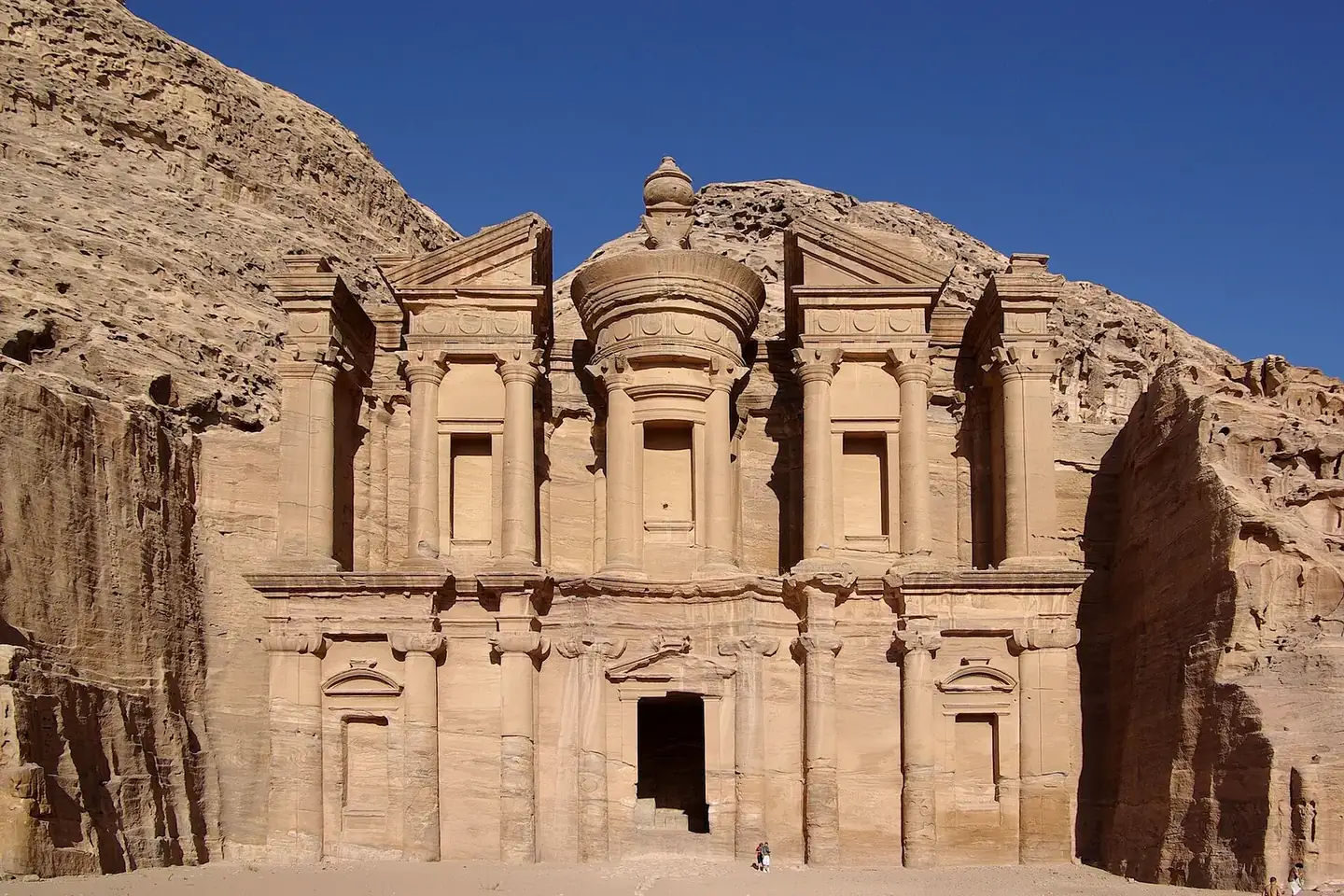
Continue beyond the Treasury to the Royal Tombs, city center and, when suitable, the Monastery.
02
Sleep In Wadi Rum
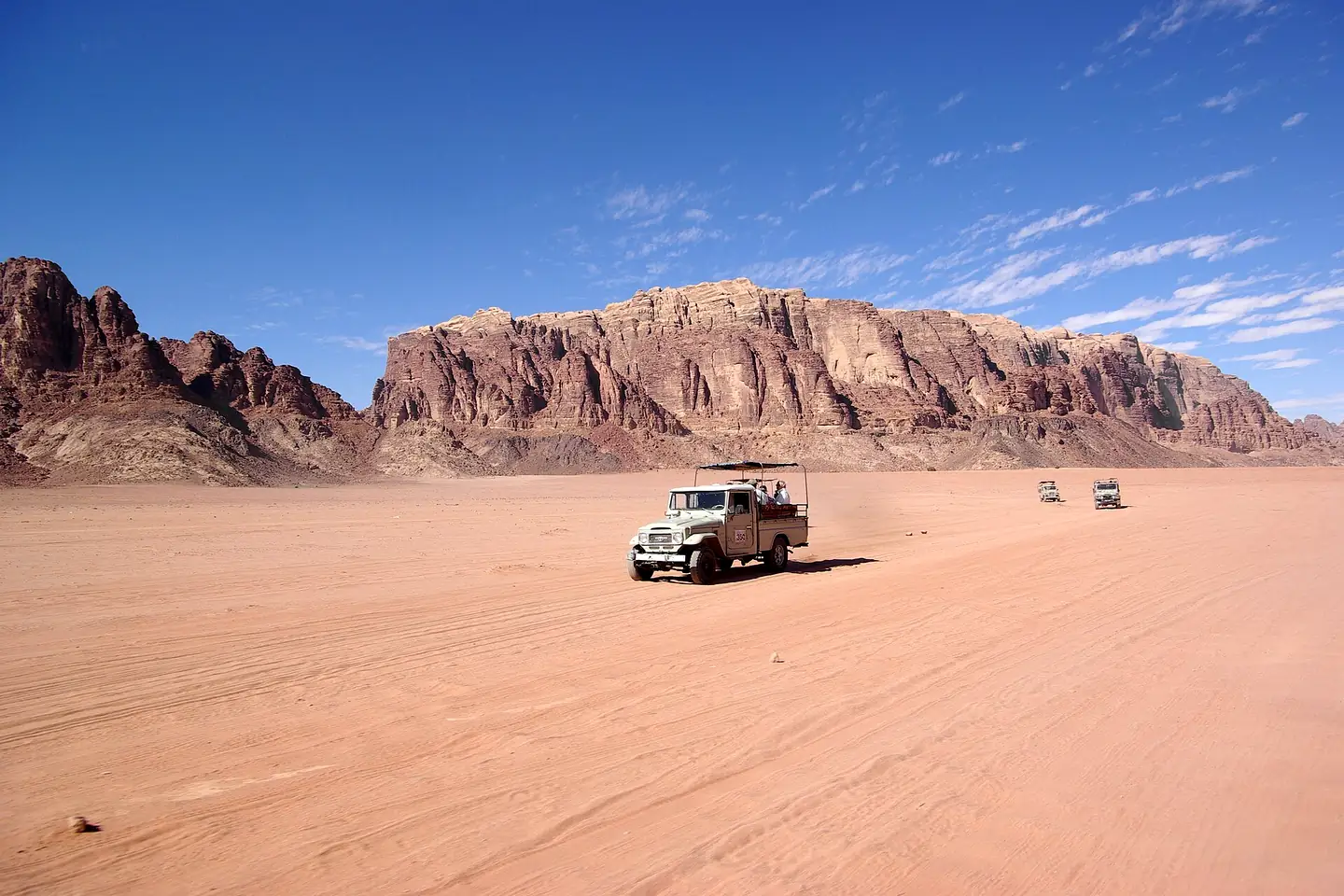
Use a local guide for a private desert route and select the camp by its real location and standards.
03
Pause At The Dead Sea
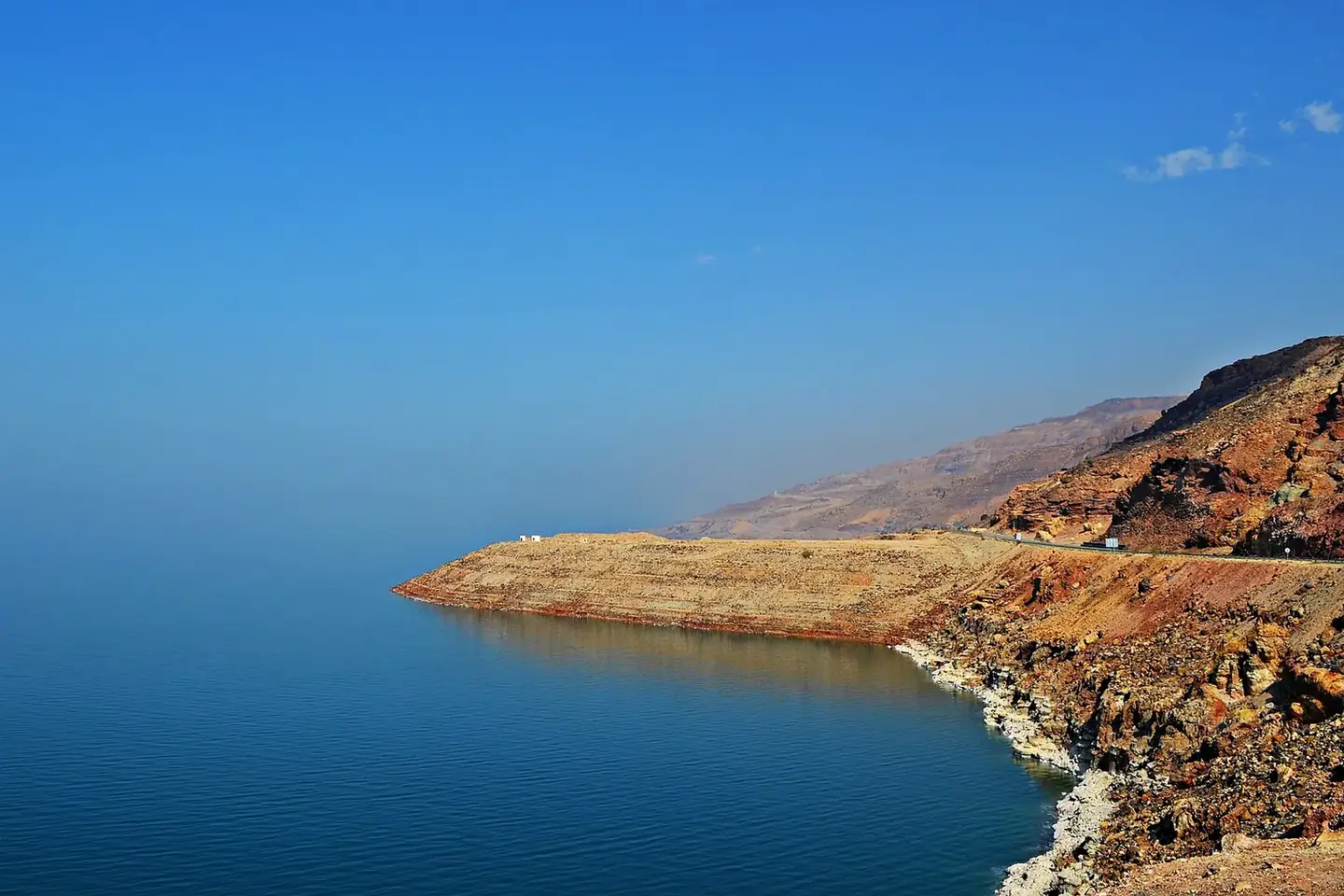
Choose managed water access and allow time to rest after the more active days.
04
See Northern Jordan
Connect Amman with Jerash, Madaba or selected Jordan Valley sites for a broader historical picture.
Most interesting places
Places To Consider First
Open any place guide for its history, best time to visit, main experiences and practical planning advice.
01
Petra
Allow a full day or more for the Siq, Treasury, Royal Tombs and the climb toward the Monastery.
02
Wadi Rum
Experience sandstone valleys and open desert with a local Bedouin team and a well-chosen camp.
04
Amman And Jerash
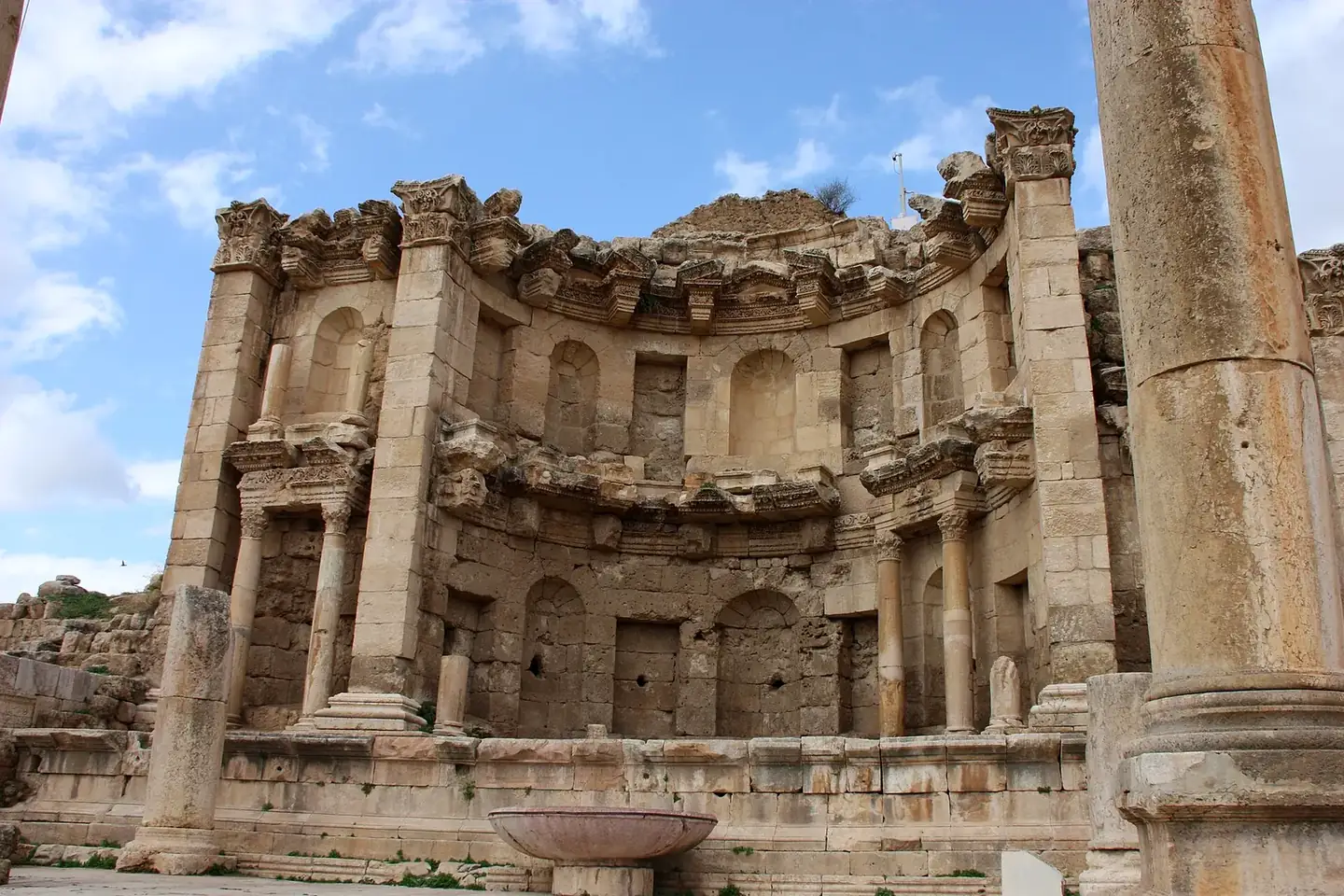
Pair the capital’s citadel and food scene with the extensive Roman ruins of Jerash.
Build the route
How To Plan Jordan With More Purpose
The best itinerary connects places logically, protects time for the experiences that matter and leaves enough space to understand the country.
Shape The Journey
Jordan is compact enough for an overland journey, but Petra and Wadi Rum deserve more than quick stops. Amman and the north provide historical context, while the Dead Sea can create a useful pause before departure.
Read The Culture
Hospitality, food and contemporary Jordanian life help connect the famous archaeological landscapes. Petra’s Nabataean story, Roman cities, Islamic history and Bedouin knowledge of the desert should be read as linked chapters rather than isolated attractions.
Choose The Right Fit
Travelers who value archaeology, desert landscapes and a clear 1-country road route.
Places introduced in this guide include Petra, Wadi Rum, The Dead Sea, Amman and Jerash. The final selection should reflect the season and the amount of movement you enjoy.
Practical questions
Planning Jordan Before You Book
How should I decide how many places to include?
Begin with the experiences you care about, then add the real transfer time between them. Fewer bases usually allow deeper visits and calmer arrival days. A longer list is useful only when each stop adds something distinct.
When should I confirm the final season?
March to May and September to November usually offer the best balance for archaeology, walking and desert travel. Summer can be very hot at Petra and the Dead Sea. Winter is quieter, but nights in the highlands and Wadi Rum can be cold and occasional rain can affect walking routes.
Can the itinerary be adjusted for families or slower travel?
Yes. Room arrangements, walking, early starts, drive lengths and open time can all be reviewed around the party. Share those needs at the beginning because they can affect the best route and hotel location.
What should I verify close to departure?
Entry requirements, health guidance, weather, operating hours and local conditions can change. Check official advice and reconfirm the practical details of arranged services before travel.
Trip inspiration
3 Ways To Begin Planning Jordan
Published itineraries link to their full tour pages. Custom concepts link to the destination or tailor-made planning page and are confirmed individually.
Published itinerary
Jordan Itinerary 8 Days
Amman, Petra, Wadi Rum, Aqaba and the Dead Sea in a balanced private route.
Published itinerary
Jordan Itinerary 6 Days
A shorter cultural and desert journey centered on Amman, Petra, Wadi Rum and the Dead Sea.
Published itinerary
Jordan Itinerary 12 Days
A wider itinerary adding Aqaba, nature and more time across Jordan’s historic landscapes.
Shape Your Private Jordan Journey
Tell us your dates, priorities and preferred pace. We will help you build the right route.