
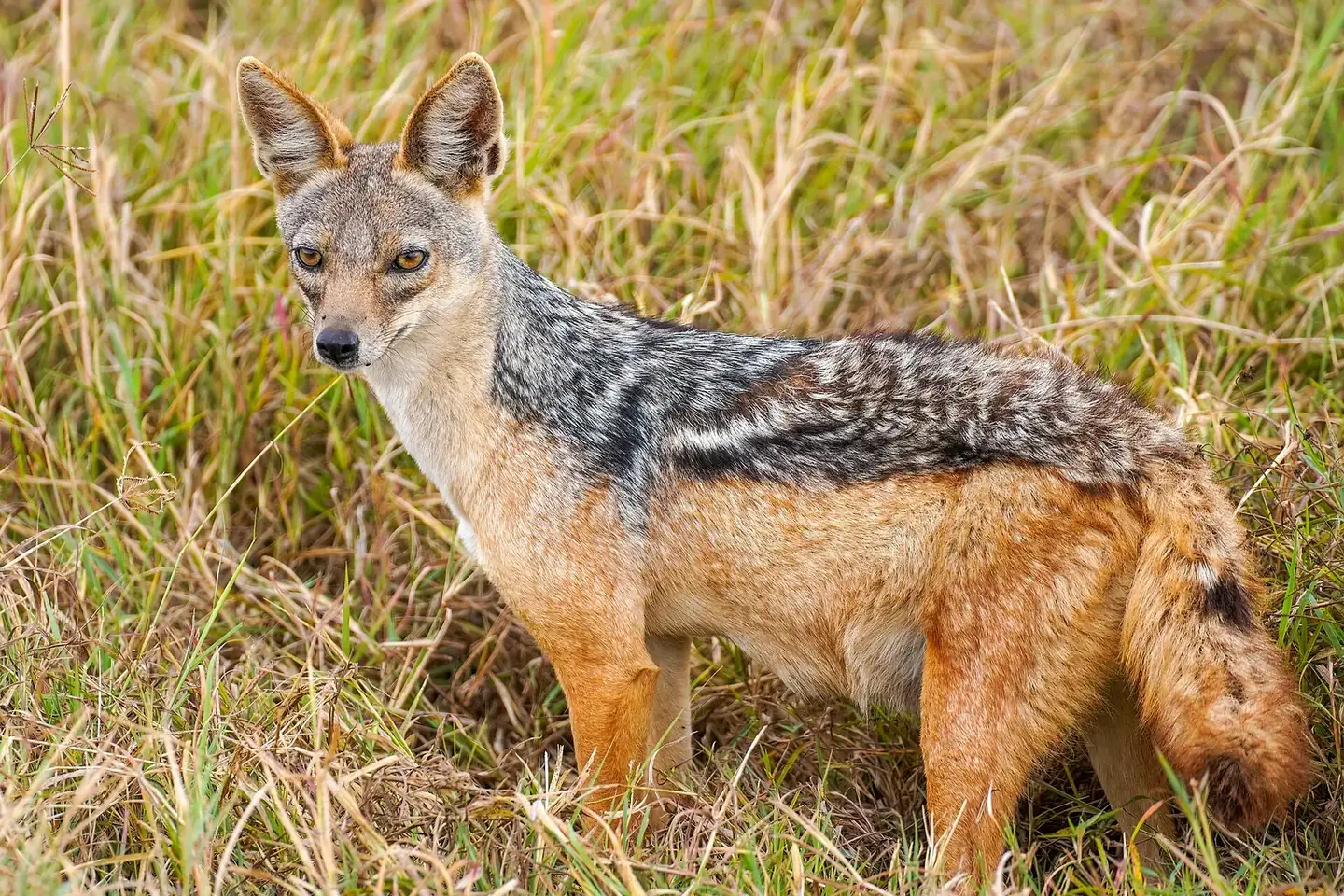
Ngorongoro Crater
Ngorongoro combines a dramatic volcanic landscape, concentrated wildlife and a wider conservation area shaped by people as well as nature.
Photo: Giles Laurent, CC BY-SA 4.0
Place overview
Understanding Ngorongoro Crater
The crater is a vast caldera with grassland, woodland, marshes and a soda lake. Wildlife is often visible in a relatively compact area, making it a valuable contrast to the open Serengeti.
The surrounding conservation area includes highlands and archaeological sites. Its management is complex because wildlife protection, tourism and Maasai pastoral life share the landscape.
At a glance
History and identity
How the place took shape
The caldera formed after a major volcano collapsed millions of years ago. Nearby Olduvai Gorge has produced important evidence about early human evolution.
Ngorongoro Conservation Area was established in 1959 and later listed as a UNESCO World Heritage Site. It remains distinct from a conventional national park because people live within it.
Best time to visit
Choose the season around the experience
June to October is generally dry and well suited to safari. January and February are also useful in parts of the northern circuit, especially around the southern Serengeti.
Wildlife is present year-round, but movement and access change with rainfall. Zanzibar has its own weather pattern, so safari and beach dates should be checked together.
Best things to do
Experiences and places worth your time
Use these ideas as a starting point, then adjust the order and depth to your interests, energy and available days.
01
Crater-floor safari
Descend early with a private guide and work around access hours and vehicle concentrations.
02
Highland views
Allow time for viewpoints and the changing landscape along the crater rim.
03
Olduvai context
Add an archaeological stop when it fits the route and your interest in human origins.
Make the visit work
Three decisions for a better stay in Ngorongoro Crater
Use the place as part of a complete route, not an isolated stop. Time, location and the way you visit can change the experience.
Allow a useful pace
The suggested starting point is one or two nights. Adjust it for arrival time, walking, weather and how deeply you want to explore.
Connect the route
A practical pairing is Serengeti and Lake Manyara. Check the actual transfer and avoid using a valuable day only to collect another place name.
Plan around the character
Ngorongoro Crater is known for dense wildlife and highland views. Choose guides, accommodation and free time that help you experience that character clearly.
Protect some open time
Not every hour needs a reservation. A free evening, a slower meal or time to revisit an area can make the stay feel more personal and less mechanical.
Frequently asked
Before visiting Ngorongoro Crater
How much time should I consider?
One or two nights is a useful starting point, but arrival and departure hours matter. Add time if the place is central to the trip or if important visits depend on timed entry, weather or physical effort.
What is the best time to visit?
June to October is generally dry and well suited to safari. January and February are also useful in parts of the northern circuit, especially around the southern Serengeti. Always check current weather and local operating conditions close to travel.
Do I need a private guide?
A guide is most valuable where history, access or local context would otherwise be difficult to understand. Independent time can still be kept for neighborhoods, meals and personal interests.
What should I tell the planning team?
Share your available days, activity level, hotel preferences, mobility needs and the experiences you consider essential. That information helps place Ngorongoro Crater correctly within the wider Tanzania route.
Plan it well
A better way to include Ngorongoro Crater
Crater access is regulated and visits can be busy. An early descent and well-positioned accommodation reduce unnecessary driving.
The rim can be cold, windy and misty even when the floor is warm. Pack layers and confirm whether the lodge is on the rim or farther away.