
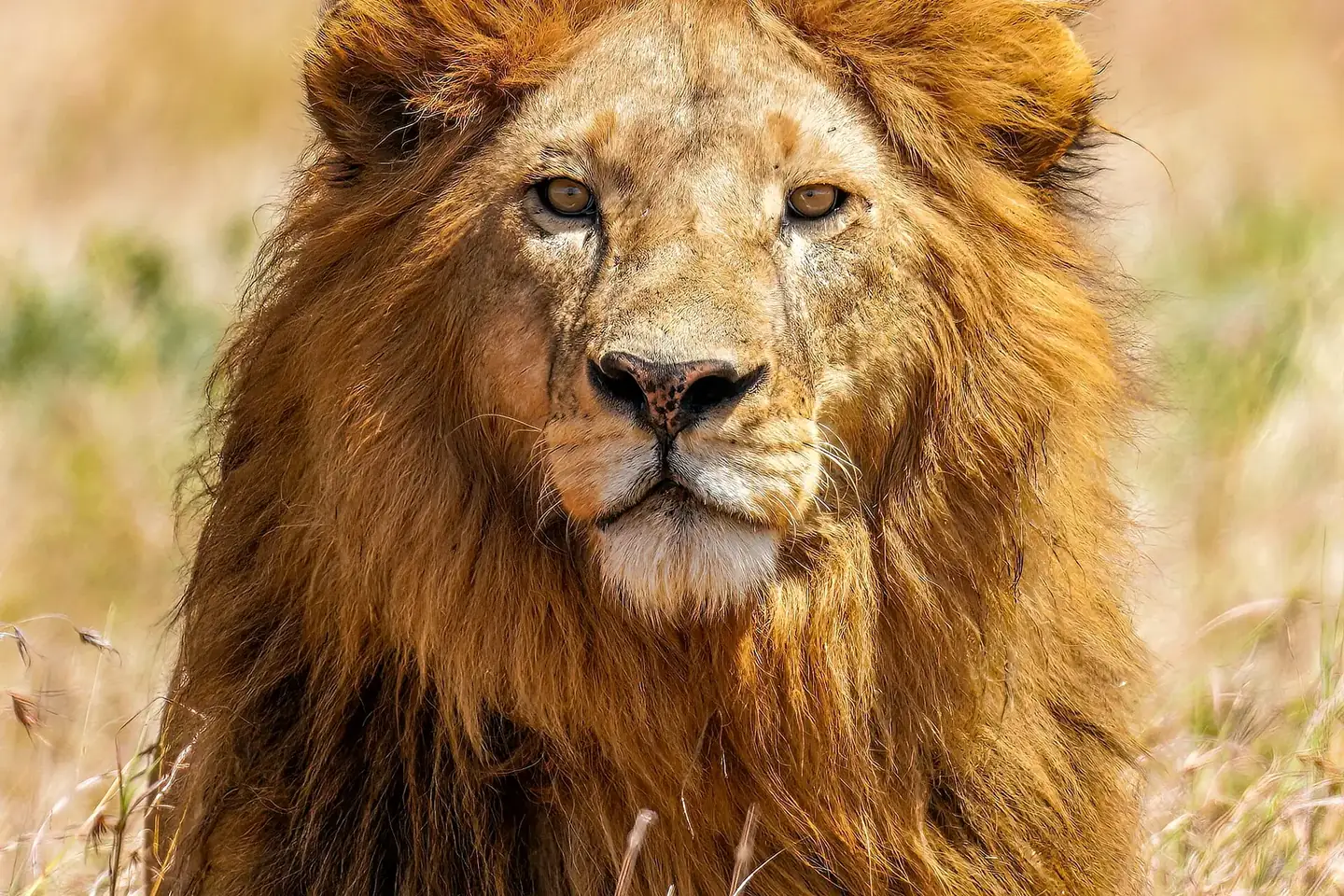
Serengeti
The Serengeti is an immense grassland ecosystem where wildlife movement, season and camp location define every safari.
Photo: Giles Laurent, CC BY-SA 4.0
Place overview
Understanding Serengeti
The national park sits within a wider ecosystem extending into Kenya. Its plains, woodland and river areas support exceptional concentrations of predators and grazing animals throughout the year.
There is no single best camp for every month. A carefully planned safari uses the likely wildlife pattern, flight connections and preferred level of privacy to choose the right area.
At a glance
History and identity
How the place took shape
Pastoral communities, including the Maasai, have long histories across the wider landscape. Colonial-era hunting pressures were followed by increasing protection during the twentieth century.
Serengeti National Park was established in 1951 and later became a UNESCO World Heritage Site. Conservation now depends on the health of the entire cross-border ecosystem and its migration corridors.
Best time to visit
Choose the season around the experience
June to October is generally dry and well suited to safari. January and February are also useful in parts of the northern circuit, especially around the southern Serengeti.
Wildlife is present year-round, but movement and access change with rainfall. Zanzibar has its own weather pattern, so safari and beach dates should be checked together.
Best things to do
Experiences and places worth your time
Use these ideas as a starting point, then adjust the order and depth to your interests, energy and available days.
01
Game drives
Use private vehicles and flexible hours to follow wildlife without rushing between sightings.
02
Migration areas
Match the region to the season while remembering that wildlife movements are never guaranteed.
03
Remote camps
Consider smaller camps or private concessions when space, quiet and a more personal rhythm matter.
Make the visit work
Three decisions for a better stay in Serengeti
Use the place as part of a complete route, not an isolated stop. Time, location and the way you visit can change the experience.
Allow a useful pace
The suggested starting point is three or four nights. Adjust it for arrival time, walking, weather and how deeply you want to explore.
Connect the route
A practical pairing is Ngorongoro and Tarangire. Check the actual transfer and avoid using a valuable day only to collect another place name.
Plan around the character
Serengeti is known for great migration and predators. Choose guides, accommodation and free time that help you experience that character clearly.
Protect some open time
Not every hour needs a reservation. A free evening, a slower meal or time to revisit an area can make the stay feel more personal and less mechanical.
Frequently asked
Before visiting Serengeti
How much time should I consider?
Three or four nights is a useful starting point, but arrival and departure hours matter. Add time if the place is central to the trip or if important visits depend on timed entry, weather or physical effort.
What is the best time to visit?
June to October is generally dry and well suited to safari. January and February are also useful in parts of the northern circuit, especially around the southern Serengeti. Always check current weather and local operating conditions close to travel.
Do I need a private guide?
A guide is most valuable where history, access or local context would otherwise be difficult to understand. Independent time can still be kept for neighborhoods, meals and personal interests.
What should I tell the planning team?
Share your available days, activity level, hotel preferences, mobility needs and the experiences you consider essential. That information helps place Serengeti correctly within the wider Tanzania route.
Plan it well
A better way to include Serengeti
Internal flights save time, but baggage limits and airstrip schedules need to be considered. Overland routes work well when combined with northern Tanzania’s other parks.
Choose the guide and location as carefully as the room. A beautiful lodge in the wrong area can mean long drives and less useful safari time.