
Destination guide
Spain
Great art cities, fast rail links, regional food and Mediterranean or Atlantic coastlines make Spain easy to revisit and rewarding to plan slowly.
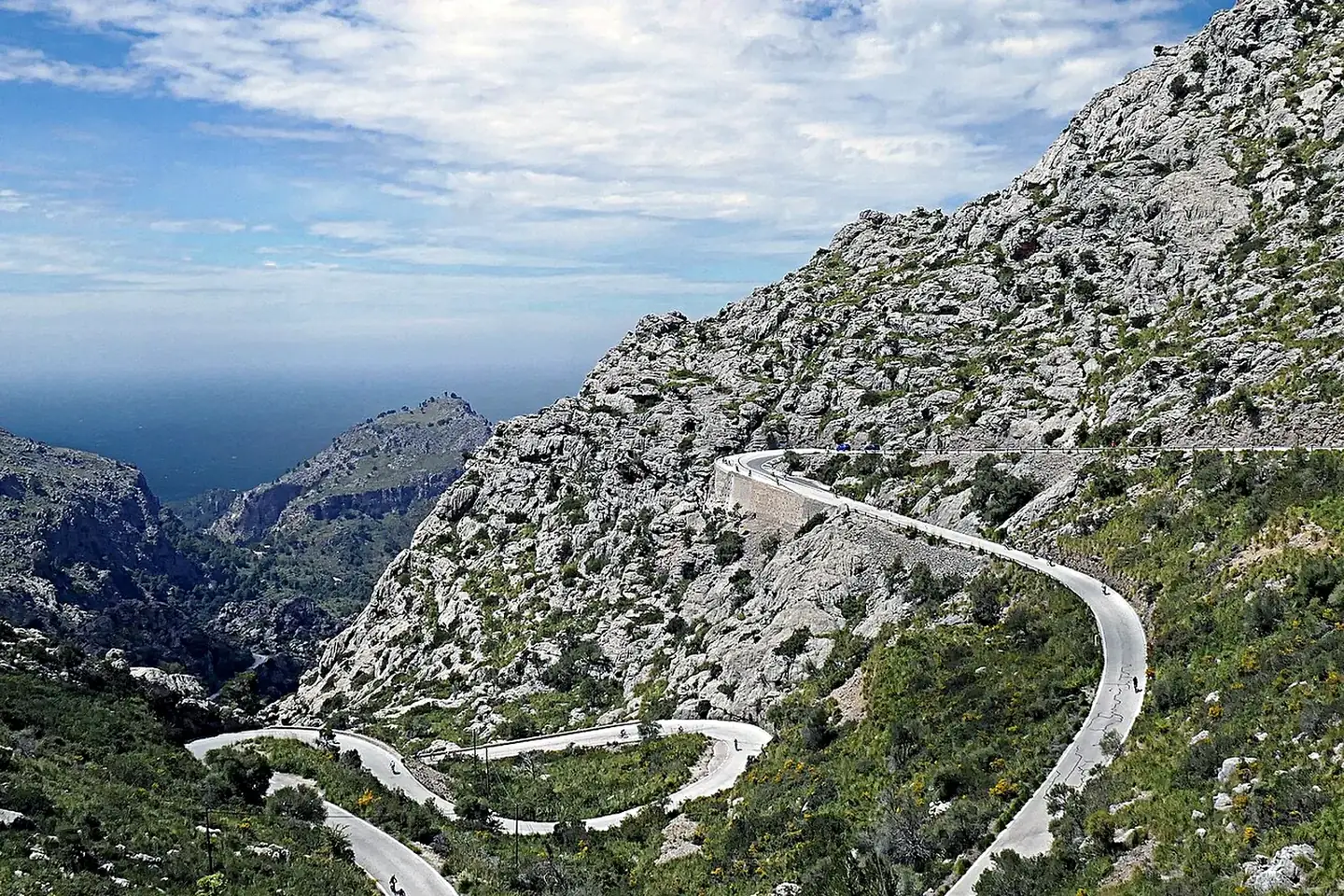
Photo: Pom', CC BY-SA 2.0
At a glance
Why Spain belongs on a considered itinerary
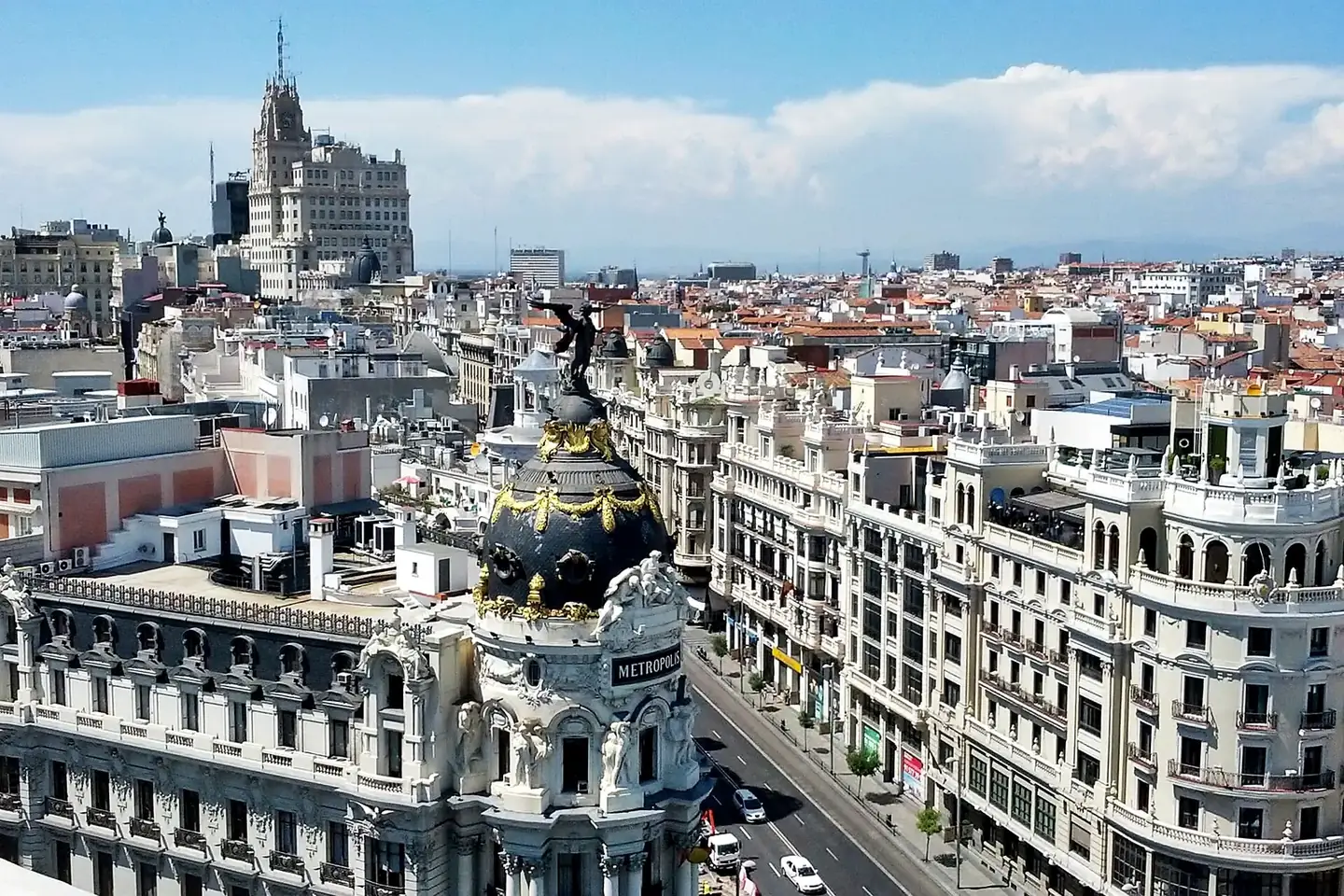
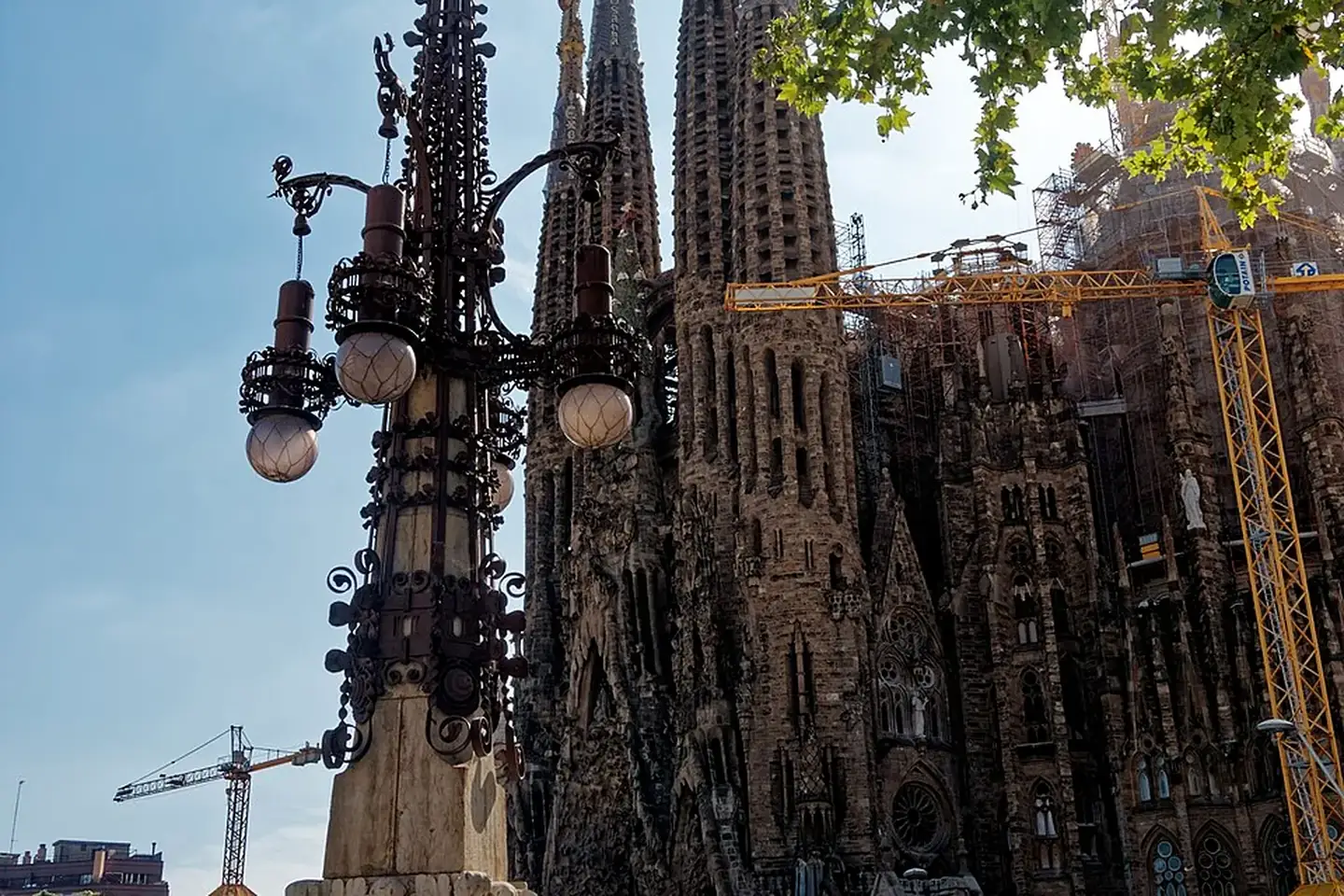
Madrid and Barcelona provide very different urban introductions. Andalusia adds Islamic, Jewish and Christian heritage, while the islands and northern regions change the pace again.
Spain’s rail network makes city combinations practical. Private transport is most useful for rural estates, smaller towns and routes that do not follow the main lines.
Practical overview
Historical context
Layers of history, still visible today
Roman rule, Islamic al-Andalus and the later Christian kingdoms all shaped Spain. Their architecture and institutions remain visible in cities such as Córdoba, Granada, Toledo and Seville.
The country’s global empire, civil war and transition to democracy are essential to modern Spanish history. Strong regional languages and identities continue to define culture and public life.
Best time to visit
Plan the season before the route
April to June and September to October suit most cultural routes. Temperatures are often comfortable and rail connections make multi-city travel straightforward.
Summer is busiest on the coasts and very hot in inland Andalusia. Winter can work well for Madrid, Barcelona and southern cities, with shorter days and cooler evenings.
Best things to do
Experiences that explain Spain
These are practical starting points for a first private journey. The right mix depends on season, time and the way you prefer to travel.
01
Compare Madrid and Barcelona
Give each city enough time for its museums, architecture, food and distinct street life.
02
Travel through Andalusia
Link Seville, Córdoba and Granada by rail or private transfer rather than compressing them into day trips.
03
Eat region by region
Use markets, small restaurants and specialist producers to understand how Spanish cooking changes by place.
04
Choose the right island
Match the Balearic or Canary Islands to the season, pace and kind of coast you want.
Most interesting places
Places to consider first
Open any place guide for its history, best time to visit, main experiences and practical planning advice.

03
Seville and Granada
Use several nights in Andalusia for palaces, flamenco traditions and layered urban history.
04
Balearic Islands
Choose Mallorca, Menorca or Ibiza by season, atmosphere and the kind of coast you prefer.
Build the route
How to plan Spain with more purpose
The best itinerary connects places logically, protects time for the experiences that matter and leaves enough space to understand the country.
Shape the journey
Madrid and Barcelona can anchor a first visit, while Andalusia needs enough time for Seville, Granada and smaller stops. High-speed rail links major cities efficiently, but regional depth still depends on a measured schedule.
Read the culture
Spain’s languages, food, architecture and traditions vary strongly by region. Roman, Islamic, Jewish and Christian histories overlap, particularly in the south, while modern art and contemporary urban life add another layer.
Choose the right fit
Travelers who enjoy architecture, food, art, lively cities and distinct regional identities.
Places introduced in this guide include Madrid, Barcelona, Seville and Granada, Balearic Islands. The final selection should reflect the season and the amount of movement you enjoy.
Practical questions
Planning Spain before you book
How should I decide how many places to include?
Begin with the experiences you care about, then add the real transfer time between them. Fewer bases usually allow deeper visits and calmer arrival days. A longer list is useful only when each stop adds something distinct.
When should I confirm the final season?
April to June and September to October suit most cultural routes. Temperatures are often comfortable and rail connections make multi-city travel straightforward. Summer is busiest on the coasts and very hot in inland Andalusia. Winter can work well for Madrid, Barcelona and southern cities, with shorter days and cooler evenings.
Can the itinerary be adjusted for families or slower travel?
Yes. Room arrangements, walking, early starts, drive lengths and open time can all be reviewed around the party. Share those needs at the beginning because they can affect the best route and hotel location.
What should I verify close to departure?
Entry requirements, health guidance, weather, operating hours and local conditions can change. Check official advice and reconfirm the practical details of arranged services before travel.
Trip inspiration
Three ways to begin planning Spain
Published itineraries link to their full tour pages. Custom concepts link to the destination or tailor-made planning page and are confirmed individually.
Custom trip concept
Madrid, Seville and Granada
A private cultural route using rail and selected guided visits through central and southern Spain.
Custom trip concept
Barcelona and the Balearics
A city-and-island concept balancing architecture, food and Mediterranean time.
Custom trip concept
Complete Spain Journey
A tailored multi-region trip with fewer hotel changes and more time in each base.
Shape your private Spain journey
Tell us your dates, priorities and preferred pace. We will help you build the right route.