
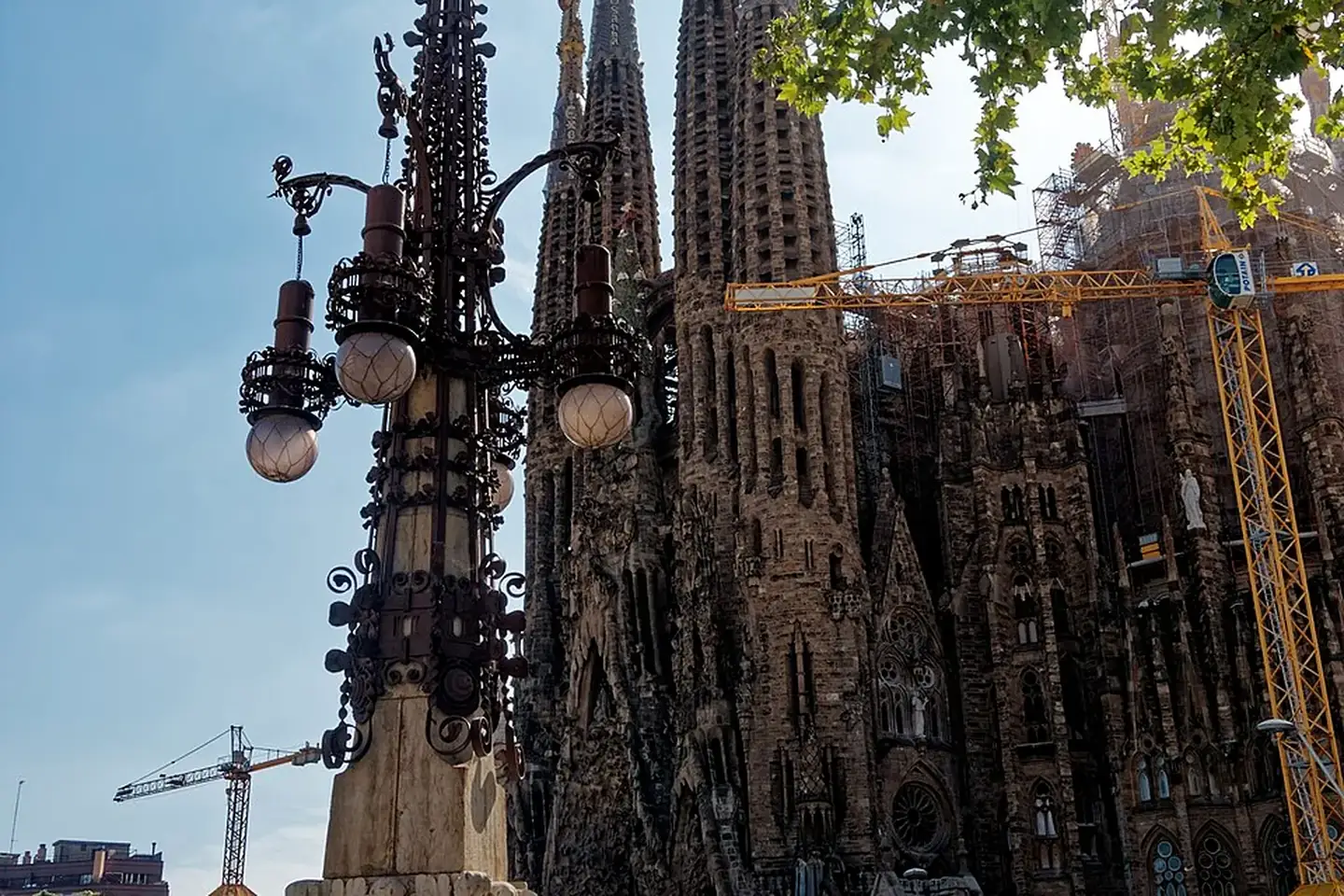
Barcelona
Barcelona combines Gothic streets, Catalan modernism, design, food and a Mediterranean waterfront.
Photo: Txllxt TxllxT, CC BY-SA 4.0
Place overview
Understanding Barcelona
Gaudí’s Sagrada Família, Park Güell and residential architecture require timed entry. The Gothic Quarter and waterfront work better as slower walks.
The city is popular year-round. Early starts and a neighborhood-based plan reduce time lost crossing the urban area.
At a glance
History and identity
How the place took shape
Barcelona developed from a Roman settlement into a medieval Mediterranean port and a leading city of the Crown of Aragon.
Industrial wealth supported the nineteenth-century Eixample and modernist architecture. Catalan identity remains central to the city’s language and culture.
Best time to visit
Choose the season around the experience
April to June and September to October offer warm days without the heaviest summer pressure.
Summer is busiest on the coasts and very hot in inland Andalusia. Winter can work well for Madrid, Barcelona and southern cities, with shorter days and cooler evenings.
Best things to do
Experiences and places worth your time
Use these ideas as a starting point, then adjust the order and depth to your interests, energy and available days.
01
Sagrada Família
Reserve a clear time and use interpretation that explains the building’s long construction.
02
Modernist Barcelona
Connect selected Gaudí works with the broader Eixample plan.
03
Old city and coast
Walk with attention to Roman, medieval and maritime layers.
Make the visit work
Three decisions for a better stay in Barcelona
Use the place as part of a complete route, not an isolated stop. Time, location and the way you visit can change the experience.
Allow a useful pace
The suggested starting point is three or four nights. Adjust it for arrival time, walking, weather and how deeply you want to explore.
Connect the route
A practical pairing is Costa Brava or Madrid. Check the actual transfer and avoid using a valuable day only to collect another place name.
Plan around the character
Barcelona is known for gaudí, gothic streets and design. Choose guides, accommodation and free time that help you experience that character clearly.
Protect some open time
Not every hour needs a reservation. A free evening, a slower meal or time to revisit an area can make the stay feel more personal and less mechanical.
Frequently asked
Before visiting Barcelona
How much time should I consider?
Three or four nights is a useful starting point, but arrival and departure hours matter. Add time if the place is central to the trip or if important visits depend on timed entry, weather or physical effort.
What is the best time to visit?
April to June and September to October offer warm days without the heaviest summer pressure. Always check current weather and local operating conditions close to travel.
Do I need a private guide?
A guide is most valuable where history, access or local context would otherwise be difficult to understand. Independent time can still be kept for neighborhoods, meals and personal interests.
What should I tell the planning team?
Share your available days, activity level, hotel preferences, mobility needs and the experiences you consider essential. That information helps place Barcelona correctly within the wider Spain route.
Plan it well
A better way to include Barcelona
Book major architecture well ahead. Same-day tickets are often limited.
Choose accommodation by neighborhood atmosphere and sound levels as well as central location.