
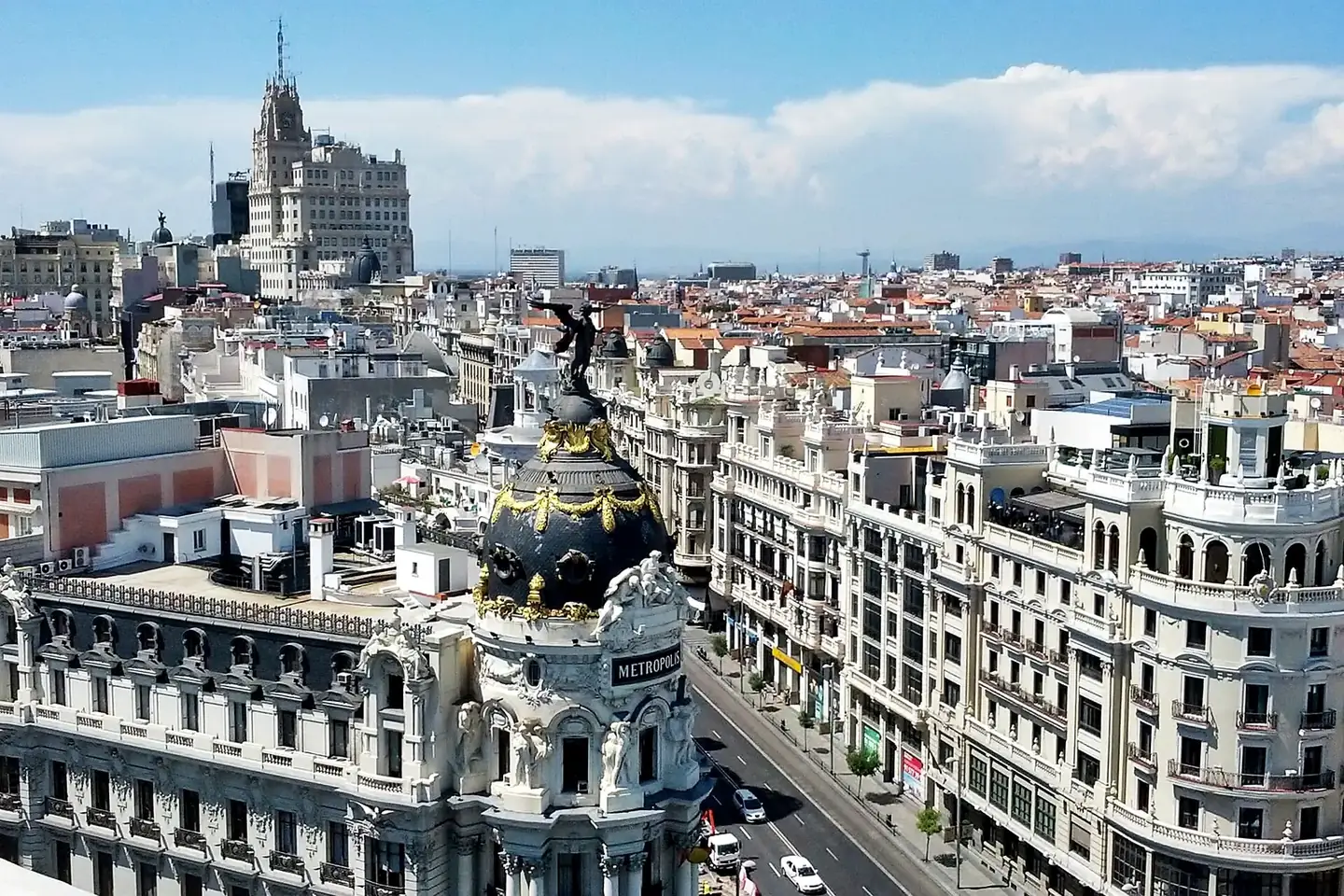
Madrid
Madrid is a confident capital of major art museums, royal history, late dining and lively residential neighborhoods.
Place overview
Understanding Madrid
The Prado, Reina Sofía and Thyssen collections form the main museum axis. The Royal Palace, Retiro and older streets broaden the visit.
Madrid is walkable in sections and well connected by metro. Its evening rhythm rewards a schedule with a genuine break in the afternoon.
At a glance
History and identity
How the place took shape
Madrid became the permanent seat of the Spanish court in the sixteenth century. Royal institutions and later urban expansion changed a modest town into the capital.
Civil war, dictatorship and the democratic transition all left marks on the city’s public spaces and cultural institutions.
Best time to visit
Choose the season around the experience
April to June and September to October are comfortable for walking. July and August can be very hot.
Summer is busiest on the coasts and very hot in inland Andalusia. Winter can work well for Madrid, Barcelona and southern cities, with shorter days and cooler evenings.
Best things to do
Experiences and places worth your time
Use these ideas as a starting point, then adjust the order and depth to your interests, energy and available days.
01
Prado Museum
Plan a focused visit around selected artists and periods.
02
Historic center
Link the palace, Plaza Mayor and older streets on foot.
03
Neighborhood evenings
Use Chamberí, Chueca or La Latina for a more local city rhythm.
Make the visit work
Three decisions for a better stay in Madrid
Use the place as part of a complete route, not an isolated stop. Time, location and the way you visit can change the experience.
Allow a useful pace
The suggested starting point is three nights. Adjust it for arrival time, walking, weather and how deeply you want to explore.
Connect the route
A practical pairing is Toledo or Seville. Check the actual transfer and avoid using a valuable day only to collect another place name.
Plan around the character
Madrid is known for art museums and food. Choose guides, accommodation and free time that help you experience that character clearly.
Protect some open time
Not every hour needs a reservation. A free evening, a slower meal or time to revisit an area can make the stay feel more personal and less mechanical.
Frequently asked
Before visiting Madrid
How much time should I consider?
Three nights is a useful starting point, but arrival and departure hours matter. Add time if the place is central to the trip or if important visits depend on timed entry, weather or physical effort.
What is the best time to visit?
April to June and September to October are comfortable for walking. July and August can be very hot. Always check current weather and local operating conditions close to travel.
Do I need a private guide?
A guide is most valuable where history, access or local context would otherwise be difficult to understand. Independent time can still be kept for neighborhoods, meals and personal interests.
What should I tell the planning team?
Share your available days, activity level, hotel preferences, mobility needs and the experiences you consider essential. That information helps place Madrid correctly within the wider Spain route.
Plan it well
A better way to include Madrid
Book major museums and palace entry ahead, especially on weekends.
Use fast rail for onward travel and allow enough time at the large Atocha and Chamartín stations.