
Destination guide
Kenya
Private conservancies, classic safari reserves, Nairobi and the Swahili coast allow Kenya to combine wildlife with strong cultural and historical context.
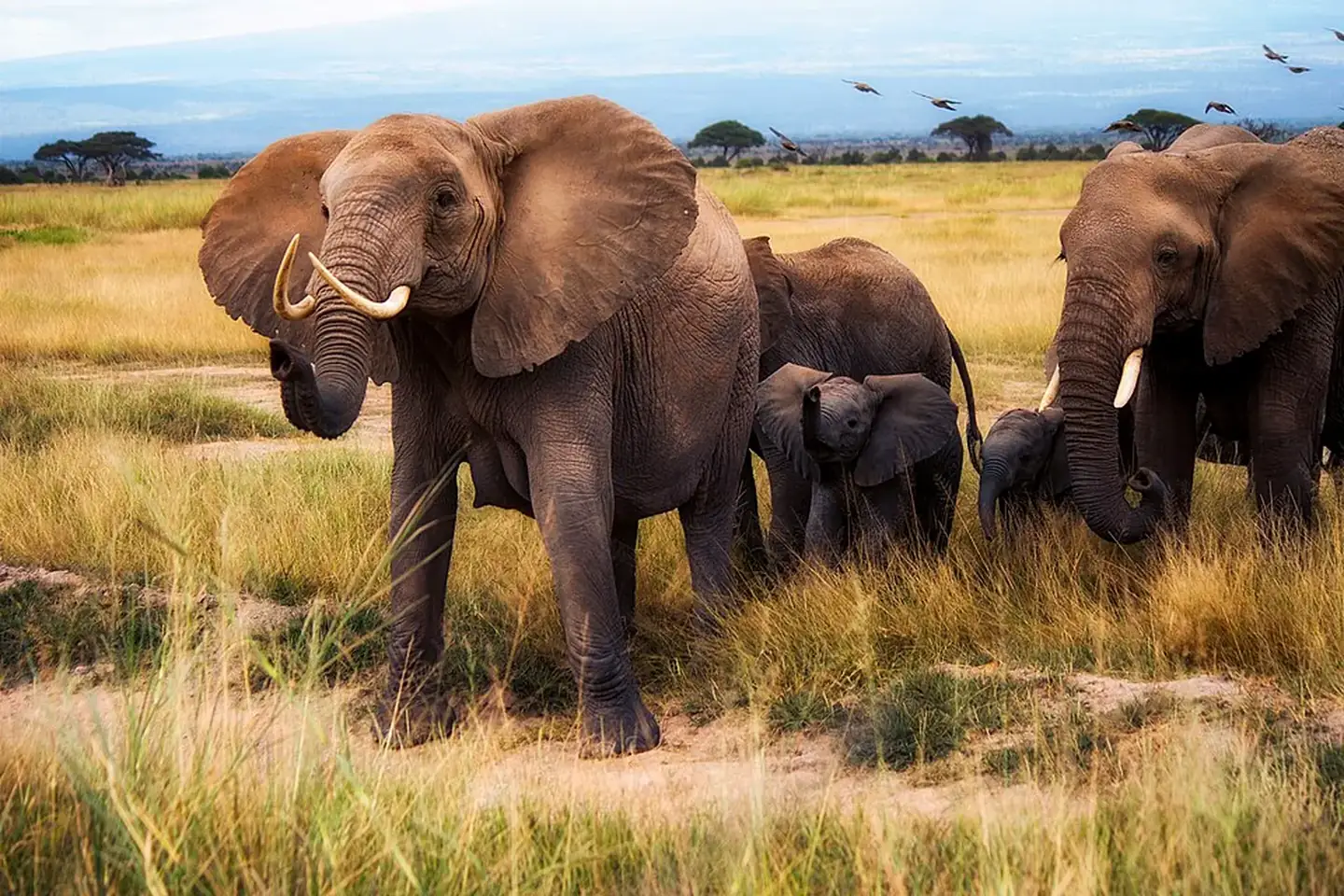
Photo: Ray in Manila, CC BY 2.0
At a glance
Why Kenya belongs on a considered itinerary
Kenya’s safari regions differ in landscape, wildlife patterns and visitor density. The Maasai Mara, Amboseli, Laikipia and the northern conservancies should not be treated as interchangeable.
Internal flights reduce long road transfers. Camp choice should consider guiding, land-use model, activities and location as closely as room design.
Practical overview
Historical context
Layers of history, still visible today
Kenya has long histories of pastoral, agricultural and coastal trading communities. Swahili ports connected East Africa with Arabia, India and the wider Indian Ocean world.
British colonial rule reshaped land ownership, transport and government. Kenya became independent in 1963, and its contemporary culture reflects more than forty ethnic communities and a fast-growing urban life.
Best time to visit
Plan the season before the route
June to October and January to February are generally dry and work well for safari. The Mara migration period is popular, so camps and flights need early planning.
Wildlife viewing is possible throughout the year. Rain changes road conditions and scenery, while the Indian Ocean coast follows its own humidity and rainfall pattern.
Best things to do
Experiences that explain Kenya
These are practical starting points for a first private journey. The right mix depends on season, time and the way you prefer to travel.
01
Choose the right Mara area
Compare the national reserve with private conservancies based on wildlife, vehicle numbers and the activities allowed.
02
See Amboseli beneath Kilimanjaro
Plan for early and late game drives when the light and mountain views are often clearest.
03
Use Nairobi as a real stop
Add museums, food, conservation visits or Nairobi National Park instead of treating the city only as a transfer point.
04
Finish on the coast
Explore Swahili heritage and select a beach area around tides, access and atmosphere.
Most interesting places
Places to consider first
Open any place guide for its history, best time to visit, main experiences and practical planning advice.
01
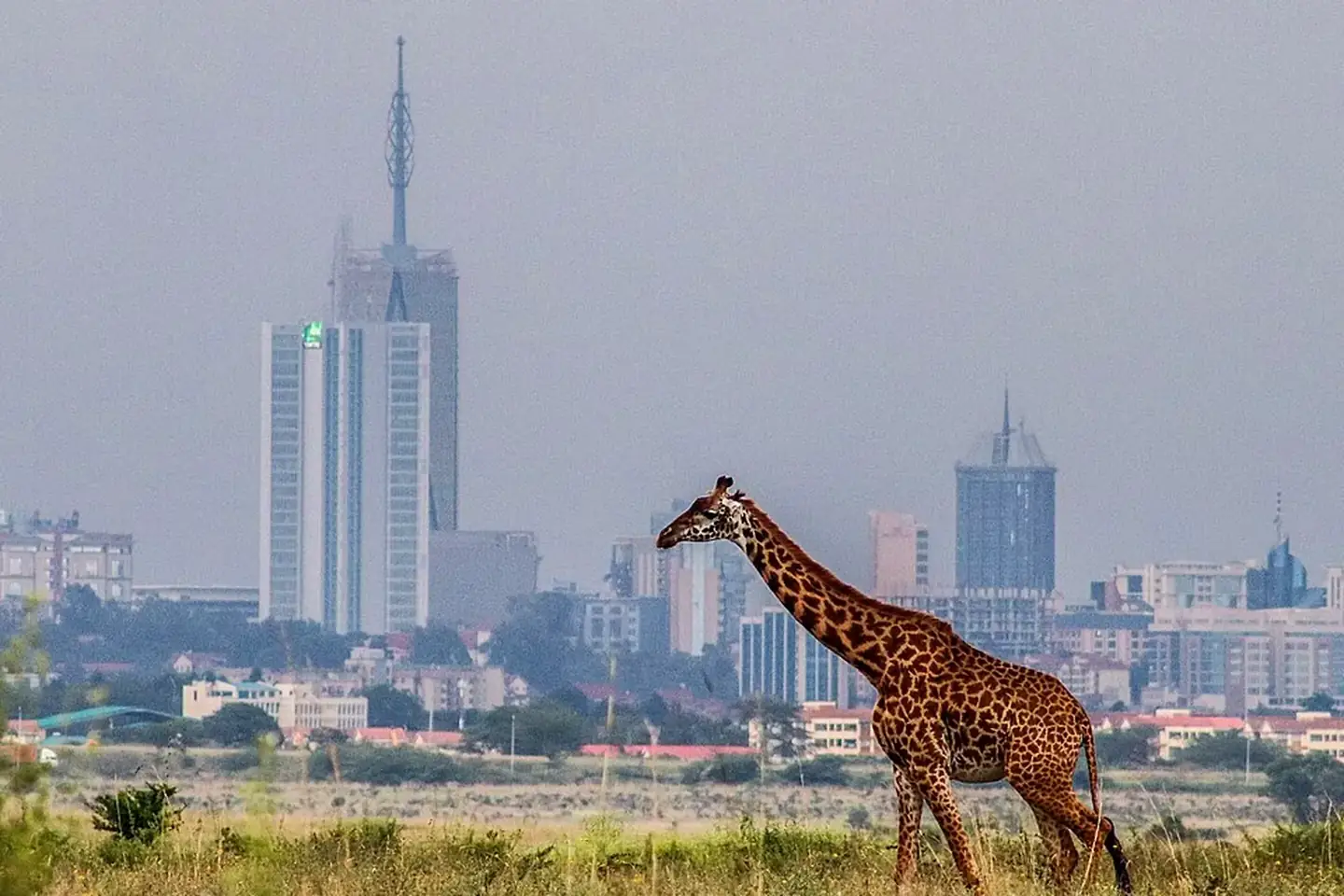
Nairobi
Use the capital for museums, restaurants, conservation visits and one of the world’s most unusual urban national parks.
02
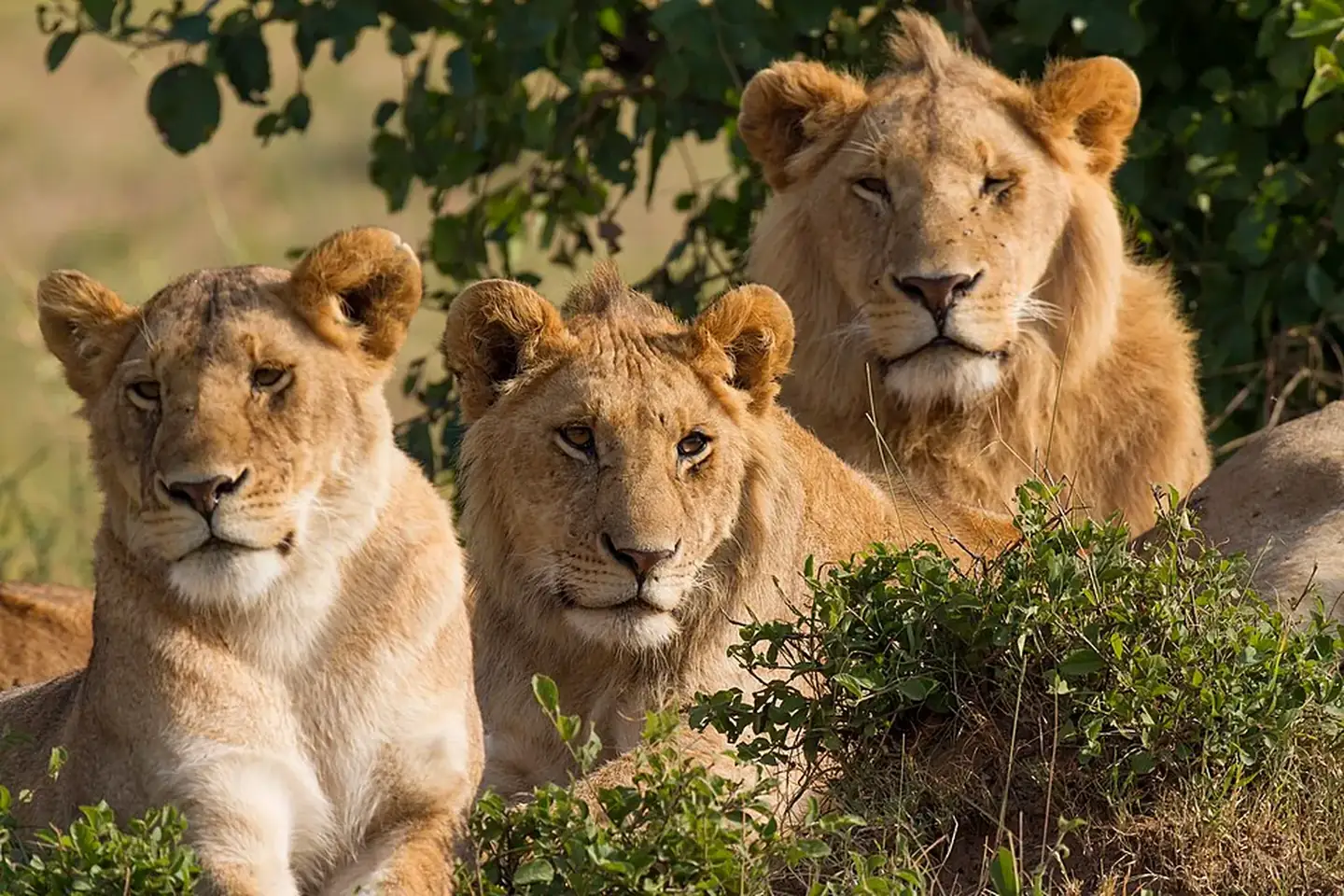
Maasai Mara
Choose between the national reserve and private conservancies based on season and safari style.

Build the route
How to plan Kenya with more purpose
The best itinerary connects places logically, protects time for the experiences that matter and leaves enough space to understand the country.
Shape the journey
Safari areas should be chosen around season, habitat and the kind of wildlife experience you want. Nairobi is more than a transit point, and the coast can work well after safari when flight connections and beach conditions align.
Read the culture
Kenya includes many communities, languages and regional histories. Swahili coastal culture, pastoral traditions, urban creativity and conservation are all part of the journey. Community visits should be respectful, locally guided and relevant to the route.
Choose the right fit
Travelers planning a private safari, a safari and coast journey, or a broader East African route.
Places introduced in this guide include Nairobi, Maasai Mara, Amboseli, Kenyan Coast. The final selection should reflect the season and the amount of movement you enjoy.
Practical questions
Planning Kenya before you book
How should I decide how many places to include?
Begin with the experiences you care about, then add the real transfer time between them. Fewer bases usually allow deeper visits and calmer arrival days. A longer list is useful only when each stop adds something distinct.
When should I confirm the final season?
June to October and January to February are generally dry and work well for safari. The Mara migration period is popular, so camps and flights need early planning. Wildlife viewing is possible throughout the year. Rain changes road conditions and scenery, while the Indian Ocean coast follows its own humidity and rainfall pattern.
Can the itinerary be adjusted for families or slower travel?
Yes. Room arrangements, walking, early starts, drive lengths and open time can all be reviewed around the party. Share those needs at the beginning because they can affect the best route and hotel location.
What should I verify close to departure?
Entry requirements, health guidance, weather, operating hours and local conditions can change. Check official advice and reconfirm the practical details of arranged services before travel.
Trip inspiration
Three ways to begin planning Kenya
Published itineraries link to their full tour pages. Custom concepts link to the destination or tailor-made planning page and are confirmed individually.
Custom trip concept
Mara and Amboseli Safari
A custom private safari using camps selected for season, guiding and location.
Custom trip concept
Kenya Safari and Coast
A wildlife journey followed by a carefully chosen Indian Ocean stay.
Custom trip concept
Conservancy Safari
A tailored route focused on private conservancies, walking and lower vehicle density.
Shape your private Kenya journey
Tell us your dates, priorities and preferred pace. We will help you build the right route.