
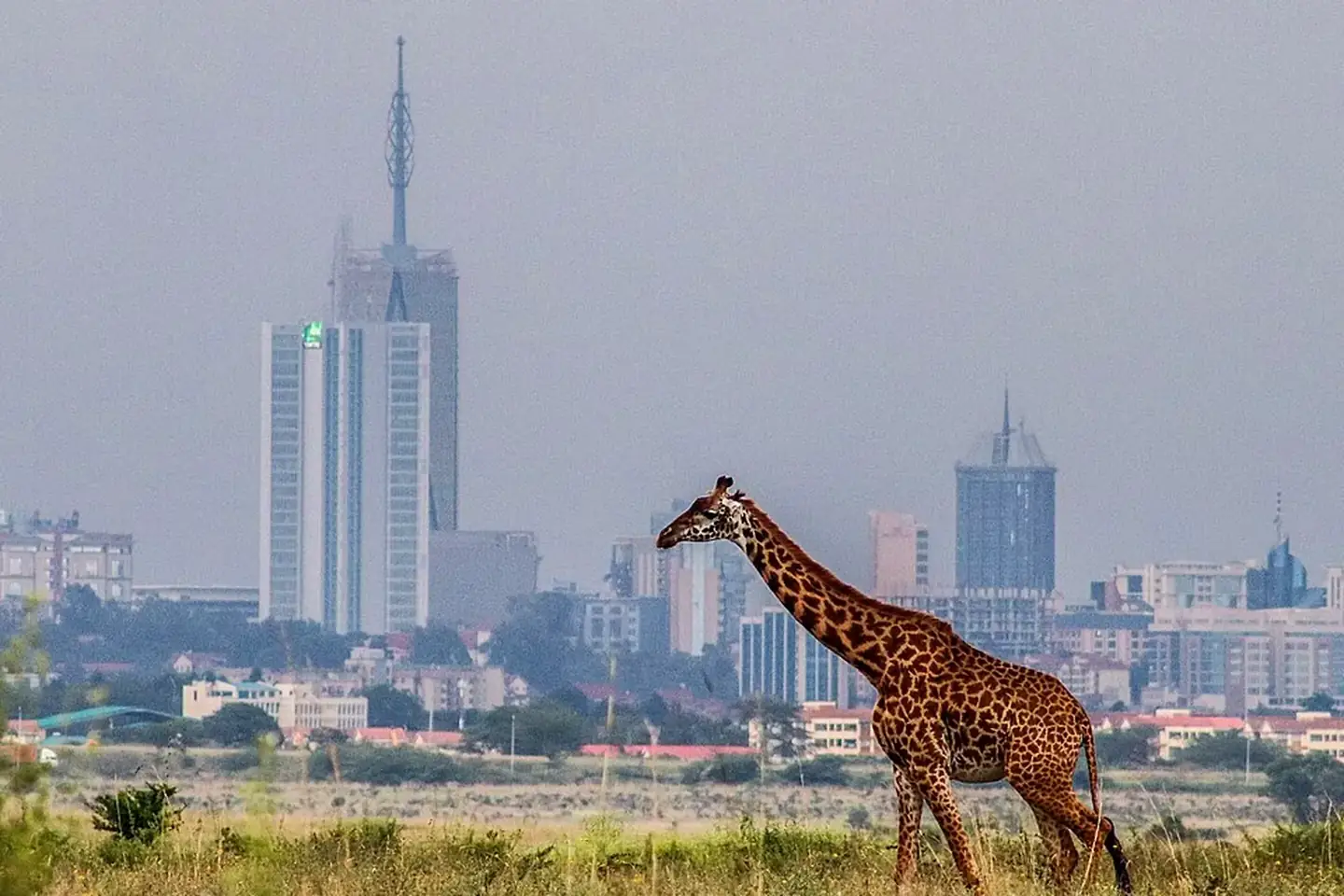
Nairobi
Nairobi is an East African capital with serious museums, a growing food scene and wildlife habitat at the edge of the city.
Photo: Alexmbogo, CC BY-SA 4.0
Place overview
Understanding Nairobi
Many safari itineraries pass through Nairobi, but the city deserves more than an airport connection. Its neighborhoods, cultural institutions and national park explain modern Kenya from several angles.
Traffic can dominate the day. Group visits by area and use a trusted driver who understands current road conditions and entry procedures.
At a glance
History and identity
How the place took shape
Nairobi grew around a railway depot established in the late nineteenth century. It became the capital of British East Africa and later independent Kenya.
Rapid expansion turned it into a regional center for business, diplomacy, conservation and the arts, with strong contrasts between districts.
Best time to visit
Choose the season around the experience
Nairobi is comfortable for much of the year. The drier periods from June to October and January to February are easiest for outdoor visits.
Wildlife viewing is possible throughout the year. Rain changes road conditions and scenery, while the Indian Ocean coast follows its own humidity and rainfall pattern.
Best things to do
Experiences and places worth your time
Use these ideas as a starting point, then adjust the order and depth to your interests, energy and available days.
01
Nairobi National Park
Take an early private drive with the city skyline visible beyond the grassland.
02
Museums and archives
Use selected institutions for political, cultural and natural history.
03
Food and design
Visit contemporary restaurants, galleries and makers with local guidance.
Make the visit work
Three decisions for a better stay in Nairobi
Use the place as part of a complete route, not an isolated stop. Time, location and the way you visit can change the experience.
Allow a useful pace
The suggested starting point is one or two nights. Adjust it for arrival time, walking, weather and how deeply you want to explore.
Connect the route
A practical pairing is Maasai Mara or Amboseli. Check the actual transfer and avoid using a valuable day only to collect another place name.
Plan around the character
Nairobi is known for museums and urban wildlife. Choose guides, accommodation and free time that help you experience that character clearly.
Protect some open time
Not every hour needs a reservation. A free evening, a slower meal or time to revisit an area can make the stay feel more personal and less mechanical.
Frequently asked
Before visiting Nairobi
How much time should I consider?
One or two nights is a useful starting point, but arrival and departure hours matter. Add time if the place is central to the trip or if important visits depend on timed entry, weather or physical effort.
What is the best time to visit?
Nairobi is comfortable for much of the year. The drier periods from June to October and January to February are easiest for outdoor visits. Always check current weather and local operating conditions close to travel.
Do I need a private guide?
A guide is most valuable where history, access or local context would otherwise be difficult to understand. Independent time can still be kept for neighborhoods, meals and personal interests.
What should I tell the planning team?
Share your available days, activity level, hotel preferences, mobility needs and the experiences you consider essential. That information helps place Nairobi correctly within the wider Kenya route.
Plan it well
A better way to include Nairobi
Allow generous road time and avoid placing a fixed airport connection after a distant city visit.
Select ethical wildlife centers carefully and avoid venues that allow unsuitable animal contact.