
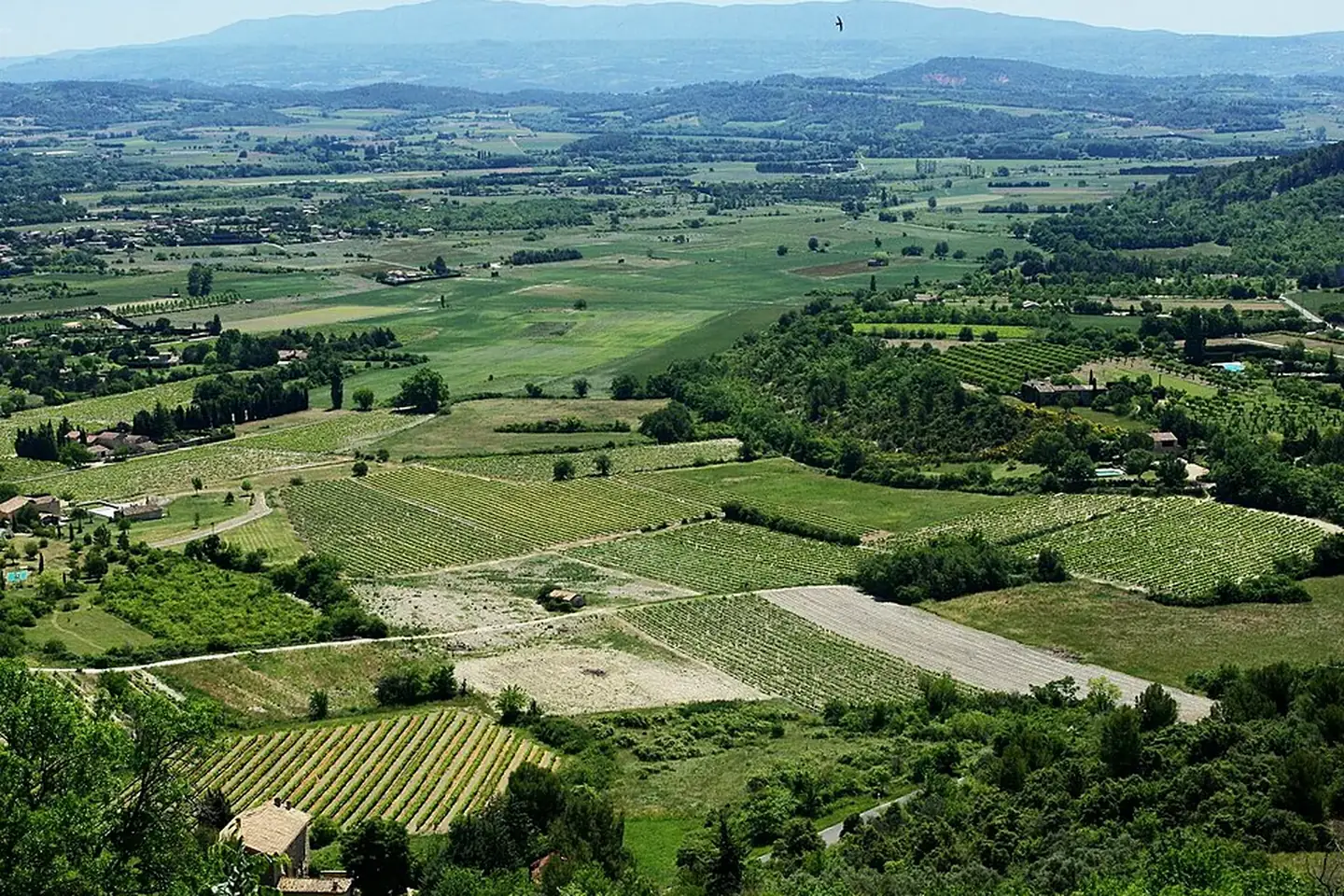
Provence
Provence combines Roman cities, market towns, rural estates and Mediterranean light across a region that needs a thoughtful base.
Photo: Jenna Post, CC BY-SA 4.0
Place overview
Understanding Provence
Avignon, Arles, Aix-en-Provence and the Luberon villages offer different routes. One or two bases are usually more useful than moving each night.
A private driver helps connect rural sites, but town centers are best explored on foot. Market days and seasonal traffic should shape the order.
At a glance
History and identity
How the place took shape
Greek and Roman settlements developed along the coast and Rhône corridor. Roman theaters, arenas, roads and aqueducts remain across the region.
Medieval papal Avignon and later artistic communities added further layers. Agriculture, trade and tourism shaped the countryside seen today.
Best time to visit
Choose the season around the experience
May, June, September and early October suit most routes. Lavender timing varies by area and year.
July and August bring long days and busy coastal areas. Winter is quieter in many cities, while mountain regions follow a separate ski season.
Best things to do
Experiences and places worth your time
Use these ideas as a starting point, then adjust the order and depth to your interests, energy and available days.
01
Avignon and Arles
Connect papal and Roman history with well-paced guided visits.
02
Luberon villages
Choose a coherent route and avoid spending the whole day in the car.
03
Food and estates
Arrange meaningful visits around olive oil, wine or regional cooking.
Make the visit work
Three decisions for a better stay in Provence
Use the place as part of a complete route, not an isolated stop. Time, location and the way you visit can change the experience.
Allow a useful pace
The suggested starting point is four or five nights. Adjust it for arrival time, walking, weather and how deeply you want to explore.
Connect the route
A practical pairing is French Riviera or Lyon. Check the actual transfer and avoid using a valuable day only to collect another place name.
Plan around the character
Provence is known for markets, villages and roman heritage. Choose guides, accommodation and free time that help you experience that character clearly.
Protect some open time
Not every hour needs a reservation. A free evening, a slower meal or time to revisit an area can make the stay feel more personal and less mechanical.
Frequently asked
Before visiting Provence
How much time should I consider?
Four or five nights is a useful starting point, but arrival and departure hours matter. Add time if the place is central to the trip or if important visits depend on timed entry, weather or physical effort.
What is the best time to visit?
May, June, September and early October suit most routes. Lavender timing varies by area and year. Always check current weather and local operating conditions close to travel.
Do I need a private guide?
A guide is most valuable where history, access or local context would otherwise be difficult to understand. Independent time can still be kept for neighborhoods, meals and personal interests.
What should I tell the planning team?
Share your available days, activity level, hotel preferences, mobility needs and the experiences you consider essential. That information helps place Provence correctly within the wider France route.
Plan it well
A better way to include Provence
Reserve popular restaurants and rural stays early during summer and festival periods.
Driving times rise in peak season, so protect slow mornings and avoid overfilling each day.