
Destination guide
France
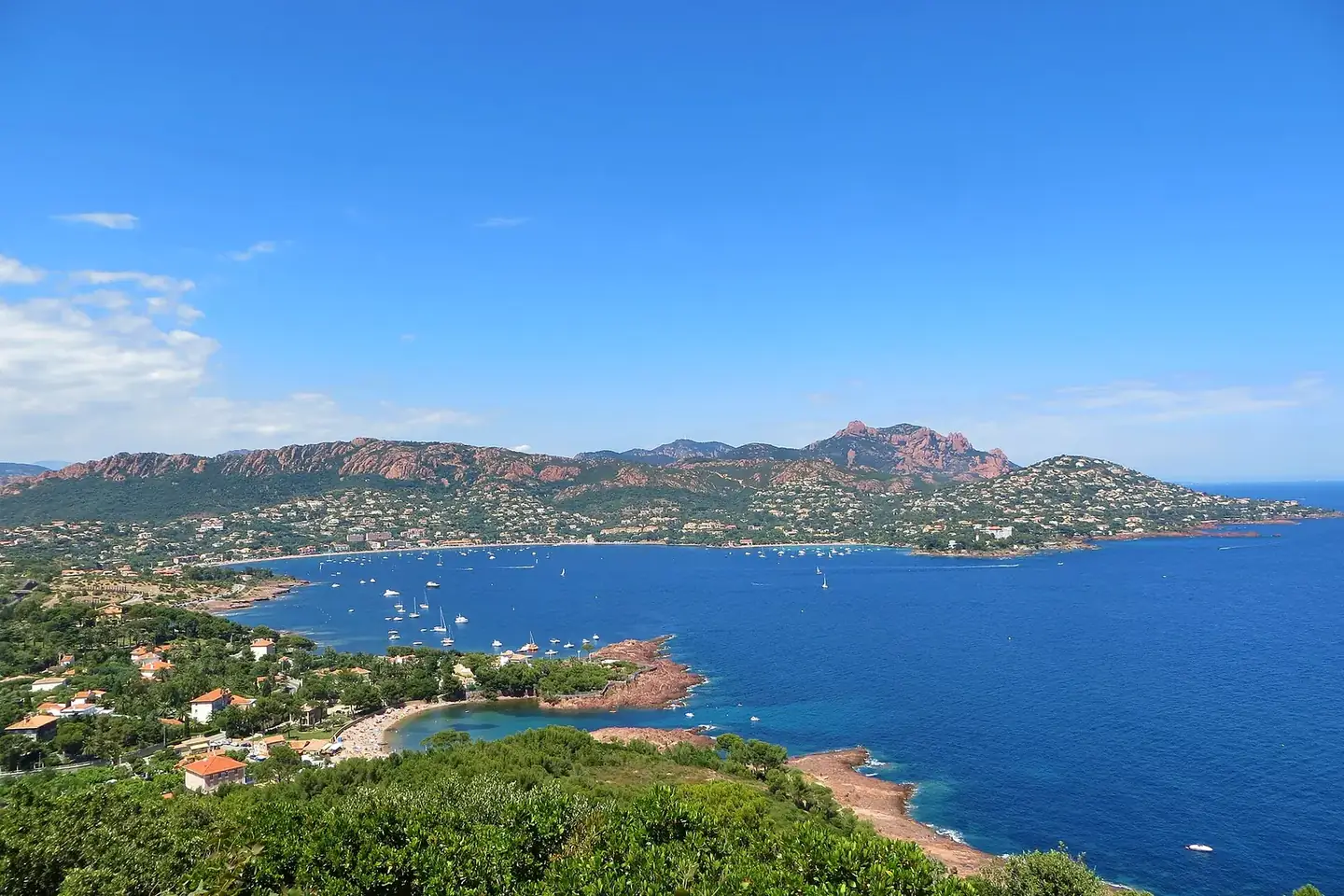
Paris, regional food, château country, Mediterranean towns and the rural pace of Provence reward a selective itinerary.
At a glance
Why France belongs on a considered itinerary
France changes markedly by region. A first journey may combine Paris with the Loire Valley or Provence, while later trips can focus on wine regions, Atlantic coastlines, mountains or smaller cities.
Fast trains work well between major centers. Private drivers add more value in the countryside, where estates, villages and hotels may sit far from rail stations.
Practical overview
Historical context
Layers of history, still visible today
Roman Gaul, medieval kingdoms and the centralized monarchy all left visible marks on France. Cathedrals, fortified towns, châteaux and formal gardens record different periods of political and cultural power.
The Revolution of 1789 reshaped the state and influenced politics far beyond France. The country’s later industrial, artistic and colonial histories remain part of its museums, cities and public debates.
Best time to visit
Plan the season before the route
April to June and September to October are strong choices for city walking and regional routes. Spring gardens and early autumn harvest periods add specific reasons to travel.
July and August bring long days and busy coastal areas. Winter is quieter in many cities, while mountain regions follow a separate ski season.
Best things to do
Experiences that explain France
These are practical starting points for a first private journey. The right mix depends on season, time and the way you prefer to travel.
01
Plan Paris by neighborhood
Group museums and monuments sensibly, then leave time for markets, gardens and everyday streets.
02
Follow the Loire Valley
Choose a small number of châteaux and combine them with gardens, towns and local food.
03
Stay in Provence
Use one or two bases for villages, Roman heritage, landscapes and seasonal markets.
04
Travel the Riviera slowly
Balance coastal towns, museums and sea time without moving hotels every night.
Most interesting places
Places to consider first
Open any place guide for its history, best time to visit, main experiences and practical planning advice.
01
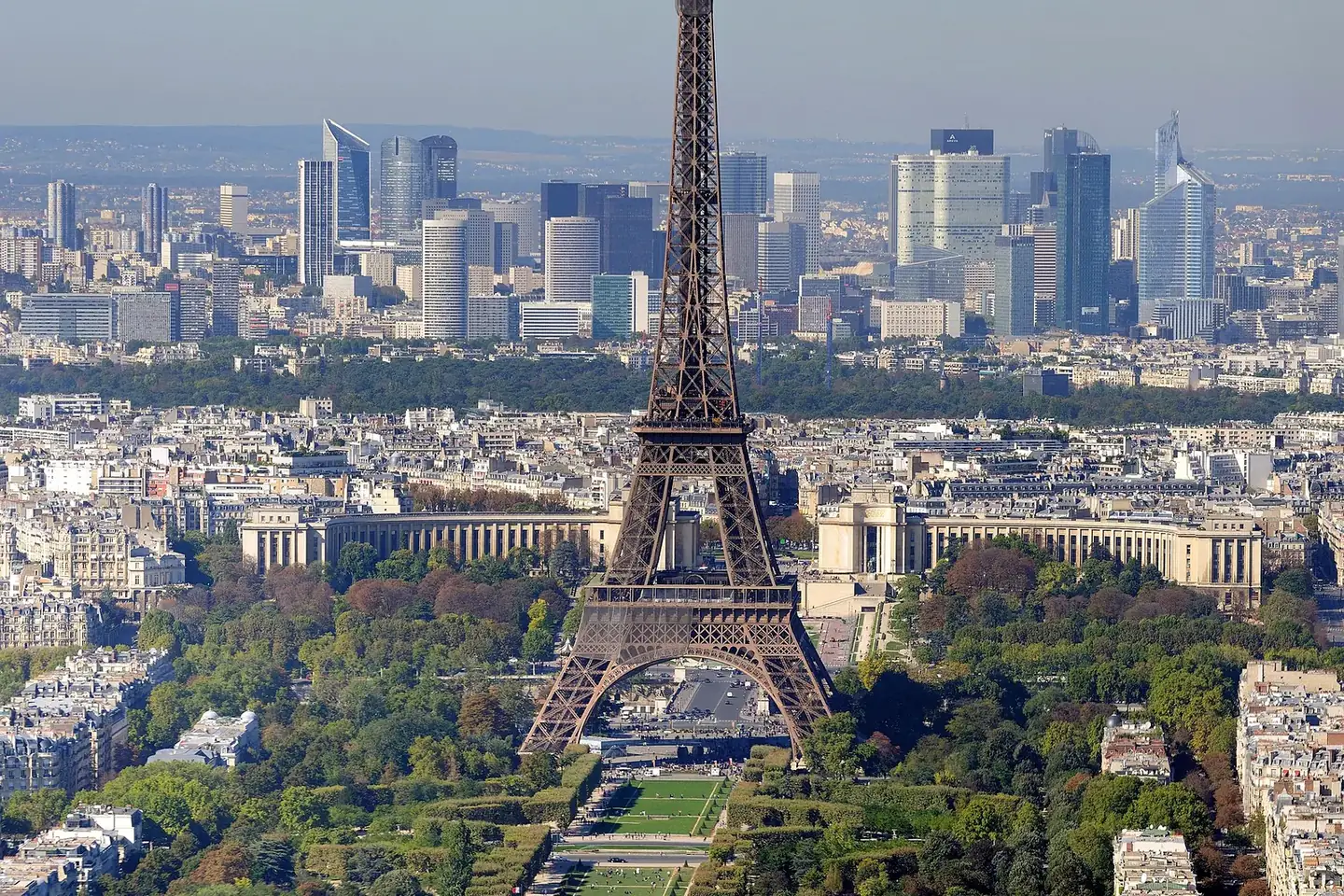
Paris
Plan the major museums and monuments by neighborhood, with time for gardens, markets and evening walks.
02
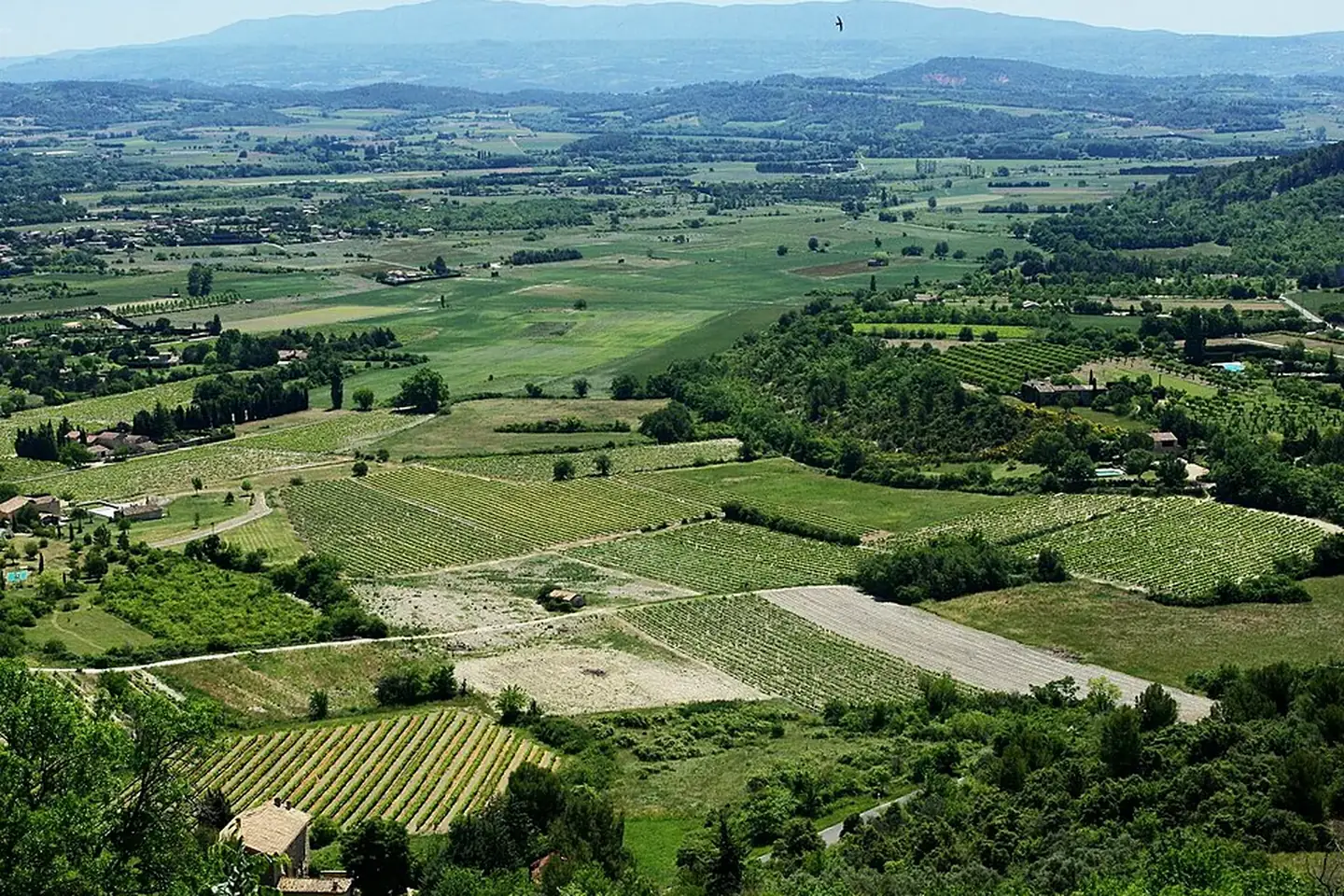
Provence
Use a well-placed base for historic towns, village markets, Roman sites and seasonal landscapes.
03
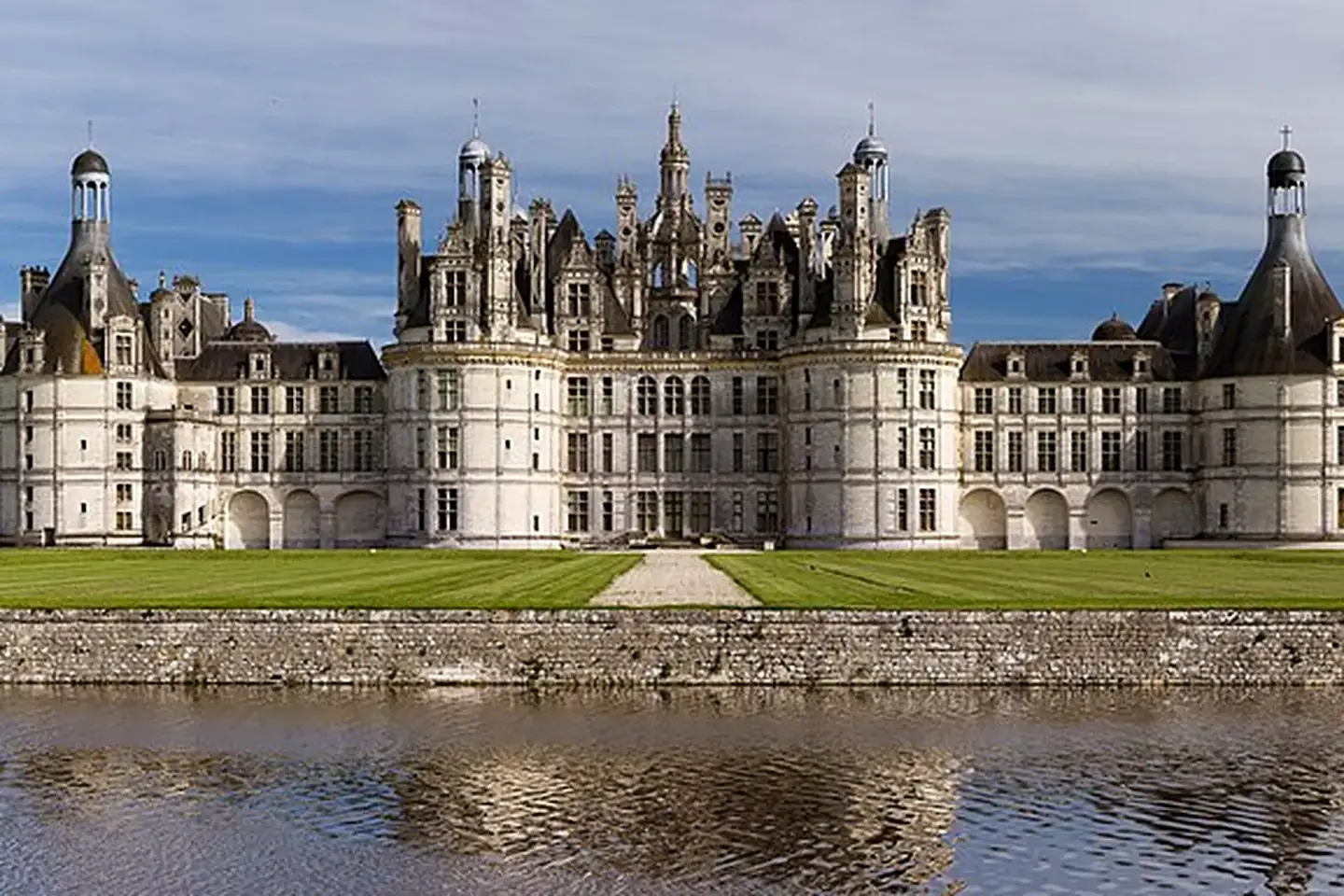
Loire Valley
Visit selected châteaux and gardens without turning the route into a long list of short stops.
Build the route
How to plan France with more purpose
The best itinerary connects places logically, protects time for the experiences that matter and leaves enough space to understand the country.
Shape the journey
Paris can stand alone, but a wider French journey is clearer when it focuses on one or two regions. Rail works well between major cities, while private driving becomes useful for villages, estates and rural areas.
Read the culture
France is not one uniform experience. Architecture, food, wine, markets and daily rhythms differ between Paris, Provence, the Riviera, Normandy and other regions. The itinerary should make those regional identities visible.
Choose the right fit
Travelers interested in art, food, wine, design, historic towns and refined countryside stays.
Places introduced in this guide include Paris, Provence, Loire Valley, French Riviera. The final selection should reflect the season and the amount of movement you enjoy.
Practical questions
Planning France before you book
How should I decide how many places to include?
Begin with the experiences you care about, then add the real transfer time between them. Fewer bases usually allow deeper visits and calmer arrival days. A longer list is useful only when each stop adds something distinct.
When should I confirm the final season?
April to June and September to October are strong choices for city walking and regional routes. Spring gardens and early autumn harvest periods add specific reasons to travel. July and August bring long days and busy coastal areas. Winter is quieter in many cities, while mountain regions follow a separate ski season.
Can the itinerary be adjusted for families or slower travel?
Yes. Room arrangements, walking, early starts, drive lengths and open time can all be reviewed around the party. Share those needs at the beginning because they can affect the best route and hotel location.
What should I verify close to departure?
Entry requirements, health guidance, weather, operating hours and local conditions can change. Check official advice and reconfirm the practical details of arranged services before travel.
Trip inspiration
Three ways to begin planning France
Published itineraries link to their full tour pages. Custom concepts link to the destination or tailor-made planning page and are confirmed individually.
Custom trip concept
Paris and the Loire Valley
A custom city-and-countryside route with private museum and château guiding.
Custom trip concept
Provence and the Riviera
A private southern France concept shaped around villages, food, art and the coast.
Custom trip concept
France by Rail and Private Driver
A tailored journey combining efficient train travel with regional road days.
Shape your private France journey
Tell us your dates, priorities and preferred pace. We will help you build the right route.