
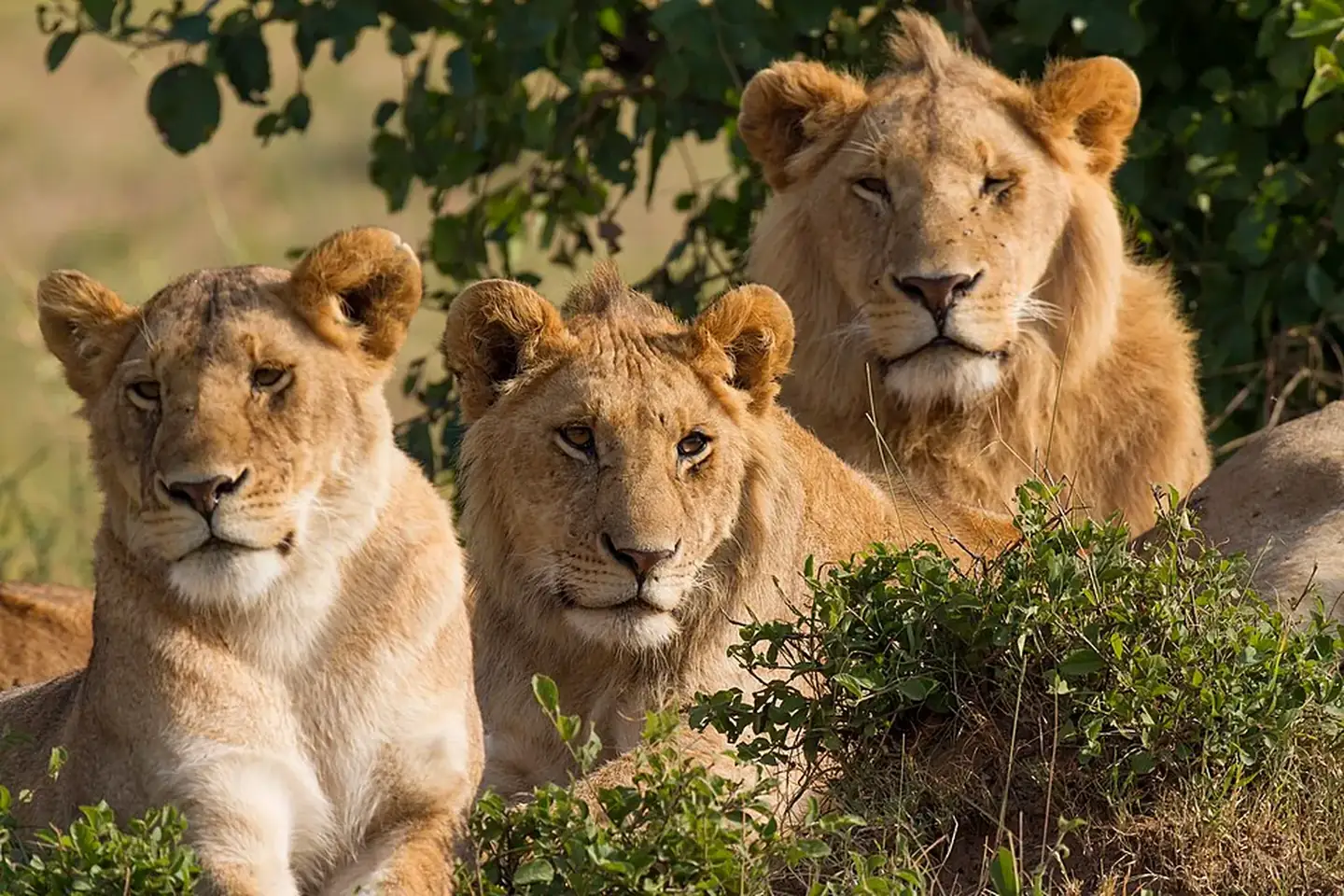
Maasai Mara
The Mara ecosystem supports abundant wildlife, seasonal migration and several safari models across reserve and conservancy land.
Photo: Benh LIEU SONG, CC BY-SA 3.0
Place overview
Understanding Maasai Mara
The national reserve is famous for river crossings and open plains. Adjacent private conservancies can offer fewer vehicles, night drives and guided walks under different rules.
The best location depends on month and priorities. A camp far from the relevant wildlife area can create long drives and less time at sightings.
At a glance
History and identity
How the place took shape
Maasai pastoral communities have used the wider landscape for generations. Colonial and post-independence conservation policies changed access and land use.
Community conservancies now combine tourism, grazing agreements and wildlife protection, although each operates differently and should be assessed on its own practices.
Best time to visit
Choose the season around the experience
July to October is the busiest migration period. Other dry months offer strong resident wildlife with fewer peak-season pressures.
Wildlife viewing is possible throughout the year. Rain changes road conditions and scenery, while the Indian Ocean coast follows its own humidity and rainfall pattern.
Best things to do
Experiences and places worth your time
Use these ideas as a starting point, then adjust the order and depth to your interests, energy and available days.
01
Private game drives
Use an experienced guide and allow sightings to unfold without chasing every radio call.
02
Conservancy activities
Consider walking or night drives where land rules permit them.
03
Migration season
Treat crossing predictions as natural possibilities, never guaranteed appointments.
Make the visit work
Three decisions for a better stay in Maasai Mara
Use the place as part of a complete route, not an isolated stop. Time, location and the way you visit can change the experience.
Allow a useful pace
The suggested starting point is three or four nights. Adjust it for arrival time, walking, weather and how deeply you want to explore.
Connect the route
A practical pairing is Nairobi or Laikipia. Check the actual transfer and avoid using a valuable day only to collect another place name.
Plan around the character
Maasai Mara is known for big cats and seasonal migration. Choose guides, accommodation and free time that help you experience that character clearly.
Protect some open time
Not every hour needs a reservation. A free evening, a slower meal or time to revisit an area can make the stay feel more personal and less mechanical.
Frequently asked
Before visiting Maasai Mara
How much time should I consider?
Three or four nights is a useful starting point, but arrival and departure hours matter. Add time if the place is central to the trip or if important visits depend on timed entry, weather or physical effort.
What is the best time to visit?
July to October is the busiest migration period. Other dry months offer strong resident wildlife with fewer peak-season pressures. Always check current weather and local operating conditions close to travel.
Do I need a private guide?
A guide is most valuable where history, access or local context would otherwise be difficult to understand. Independent time can still be kept for neighborhoods, meals and personal interests.
What should I tell the planning team?
Share your available days, activity level, hotel preferences, mobility needs and the experiences you consider essential. That information helps place Maasai Mara correctly within the wider Kenya route.
Plan it well
A better way to include Maasai Mara
Choose reserve or conservancy access before selecting the camp. Location determines daily routes and allowed activities.
Light aircraft baggage limits matter on fly-in safaris, so pack in soft-sided luggage.