
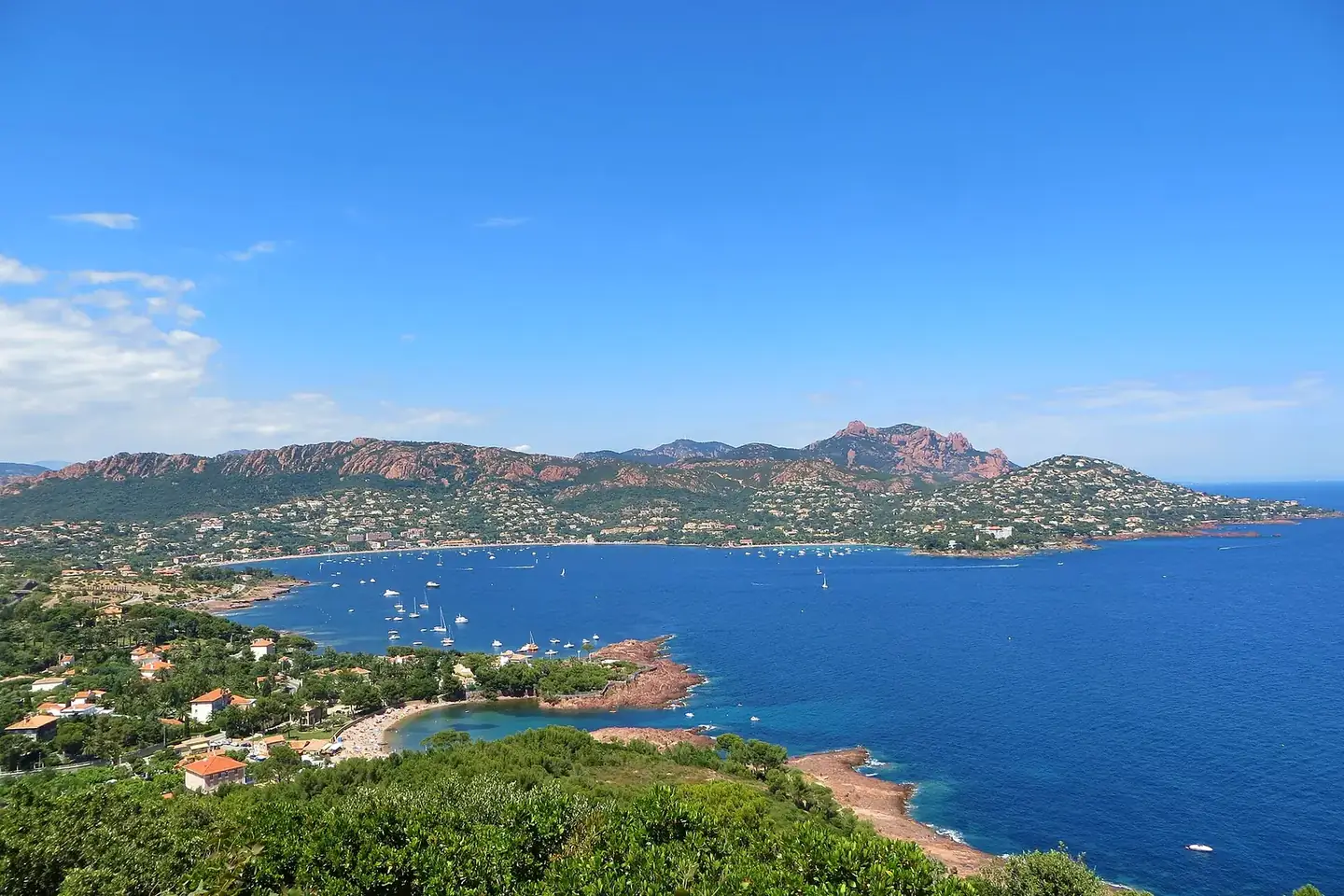
French Riviera
The Riviera links Mediterranean beaches, old towns, modern art and dramatic coastal roads from Nice east and west.
Place overview
Understanding French Riviera
Nice is a practical base for Antibes, Saint-Paul-de-Vence, Monaco and coastal villages. Cannes and farther western towns create a different route.
Trains help along parts of the coast, while a driver is useful for hill towns. Summer road traffic requires early starts and modest daily distances.
At a glance
History and identity
How the place took shape
Mediterranean trade shaped the coast long before it became a winter resort for European elites in the nineteenth century.
Artists including Matisse, Picasso and Chagall worked in the region, leaving museums and chapels connected to specific places.
Best time to visit
Choose the season around the experience
May, June, September and early October bring warm weather with less pressure than peak summer.
July and August bring long days and busy coastal areas. Winter is quieter in many cities, while mountain regions follow a separate ski season.
Best things to do
Experiences and places worth your time
Use these ideas as a starting point, then adjust the order and depth to your interests, energy and available days.
01
Nice
Use the old town, market, museums and seafront as more than a transfer base.
02
Hill villages
Choose one or two villages and allow time for walking and lunch.
03
Art collections
Build a day around the artists and museums that interest you most.
Make the visit work
Three decisions for a better stay in French Riviera
Use the place as part of a complete route, not an isolated stop. Time, location and the way you visit can change the experience.
Allow a useful pace
The suggested starting point is three or four nights. Adjust it for arrival time, walking, weather and how deeply you want to explore.
Connect the route
A practical pairing is Provence. Check the actual transfer and avoid using a valuable day only to collect another place name.
Plan around the character
French Riviera is known for sea, old towns and modern art. Choose guides, accommodation and free time that help you experience that character clearly.
Protect some open time
Not every hour needs a reservation. A free evening, a slower meal or time to revisit an area can make the stay feel more personal and less mechanical.
Frequently asked
Before visiting French Riviera
How much time should I consider?
Three or four nights is a useful starting point, but arrival and departure hours matter. Add time if the place is central to the trip or if important visits depend on timed entry, weather or physical effort.
What is the best time to visit?
May, June, September and early October bring warm weather with less pressure than peak summer. Always check current weather and local operating conditions close to travel.
Do I need a private guide?
A guide is most valuable where history, access or local context would otherwise be difficult to understand. Independent time can still be kept for neighborhoods, meals and personal interests.
What should I tell the planning team?
Share your available days, activity level, hotel preferences, mobility needs and the experiences you consider essential. That information helps place French Riviera correctly within the wider France route.
Plan it well
A better way to include French Riviera
Confirm beach style, pool access and parking before choosing a coastal hotel.
Large events in Cannes, Monaco and Nice can affect rates and transport across the region.