
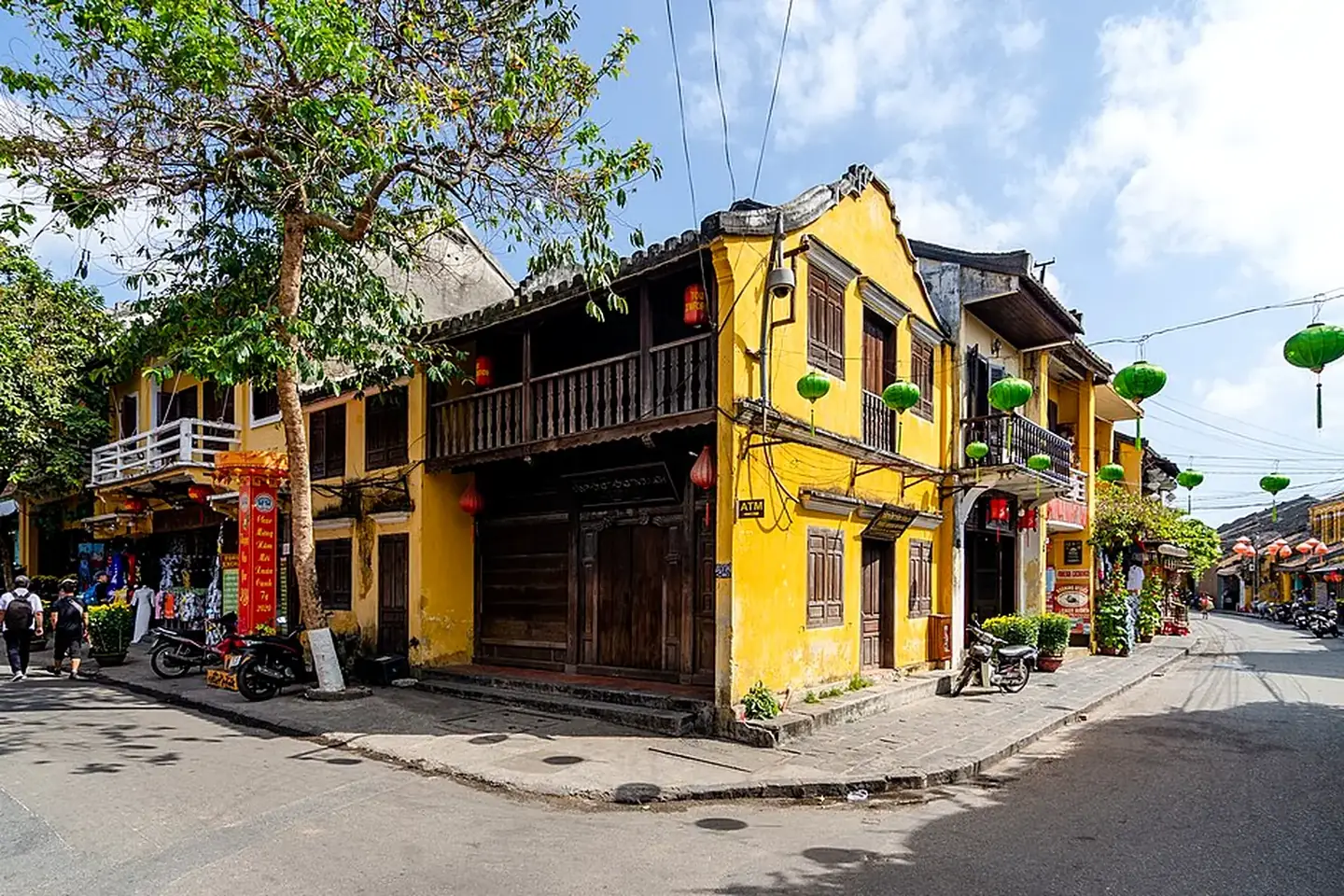
Hoi An
Hoi An combines a preserved trading-port center with craft villages, central Vietnamese food, countryside and nearby coast.
Place overview
Understanding Hoi An
The old town is atmospheric but busy. Early morning and later evening reveal a different rhythm, while daytime works well for guided history, cooking or rural cycling.
Hoi An can be paired with Huế or Đà Nẵng, but each deserves proper time. Seasonal flooding and storms can affect the central coast.
At a glance
History and identity
How the place took shape
Hoi An prospered as an international trading port from the fifteenth to nineteenth centuries, linking Vietnamese, Chinese, Japanese and European merchants.
Changes in the river and regional ports reduced its commercial role, helping preserve much of the old urban fabric.
Best time to visit
Choose the season around the experience
February to May is often the most comfortable period. Heavy rain and flooding are more likely later in the year.
Build the route around the regions that matter most. Central-coast storms, northern winter mist and southern rainy-season showers affect experiences in different ways.
Best things to do
Experiences and places worth your time
Use these ideas as a starting point, then adjust the order and depth to your interests, energy and available days.
01
Old town walk
Visit assembly halls, houses and riverside streets with historical context.
02
Countryside
Cycle or drive through farming areas with a responsible local host.
03
Central Vietnamese food
Choose a market or cooking experience grounded in regional dishes.
Make the visit work
Three decisions for a better stay in Hoi An
Use the place as part of a complete route, not an isolated stop. Time, location and the way you visit can change the experience.
Allow a useful pace
The suggested starting point is three nights. Adjust it for arrival time, walking, weather and how deeply you want to explore.
Connect the route
A practical pairing is Huế or Đà Nẵng. Check the actual transfer and avoid using a valuable day only to collect another place name.
Plan around the character
Hoi An is known for architecture, food and craft. Choose guides, accommodation and free time that help you experience that character clearly.
Protect some open time
Not every hour needs a reservation. A free evening, a slower meal or time to revisit an area can make the stay feel more personal and less mechanical.
Frequently asked
Before visiting Hoi An
How much time should I consider?
Three nights is a useful starting point, but arrival and departure hours matter. Add time if the place is central to the trip or if important visits depend on timed entry, weather or physical effort.
What is the best time to visit?
February to May is often the most comfortable period. Heavy rain and flooding are more likely later in the year. Always check current weather and local operating conditions close to travel.
Do I need a private guide?
A guide is most valuable where history, access or local context would otherwise be difficult to understand. Independent time can still be kept for neighborhoods, meals and personal interests.
What should I tell the planning team?
Share your available days, activity level, hotel preferences, mobility needs and the experiences you consider essential. That information helps place Hoi An correctly within the wider Vietnam route.
Plan it well
A better way to include Hoi An
Stay within easy reach of the old town without assuming the noisiest central street is the best location.
Treat tailoring promises carefully and allow adequate fittings if ordering clothing.