
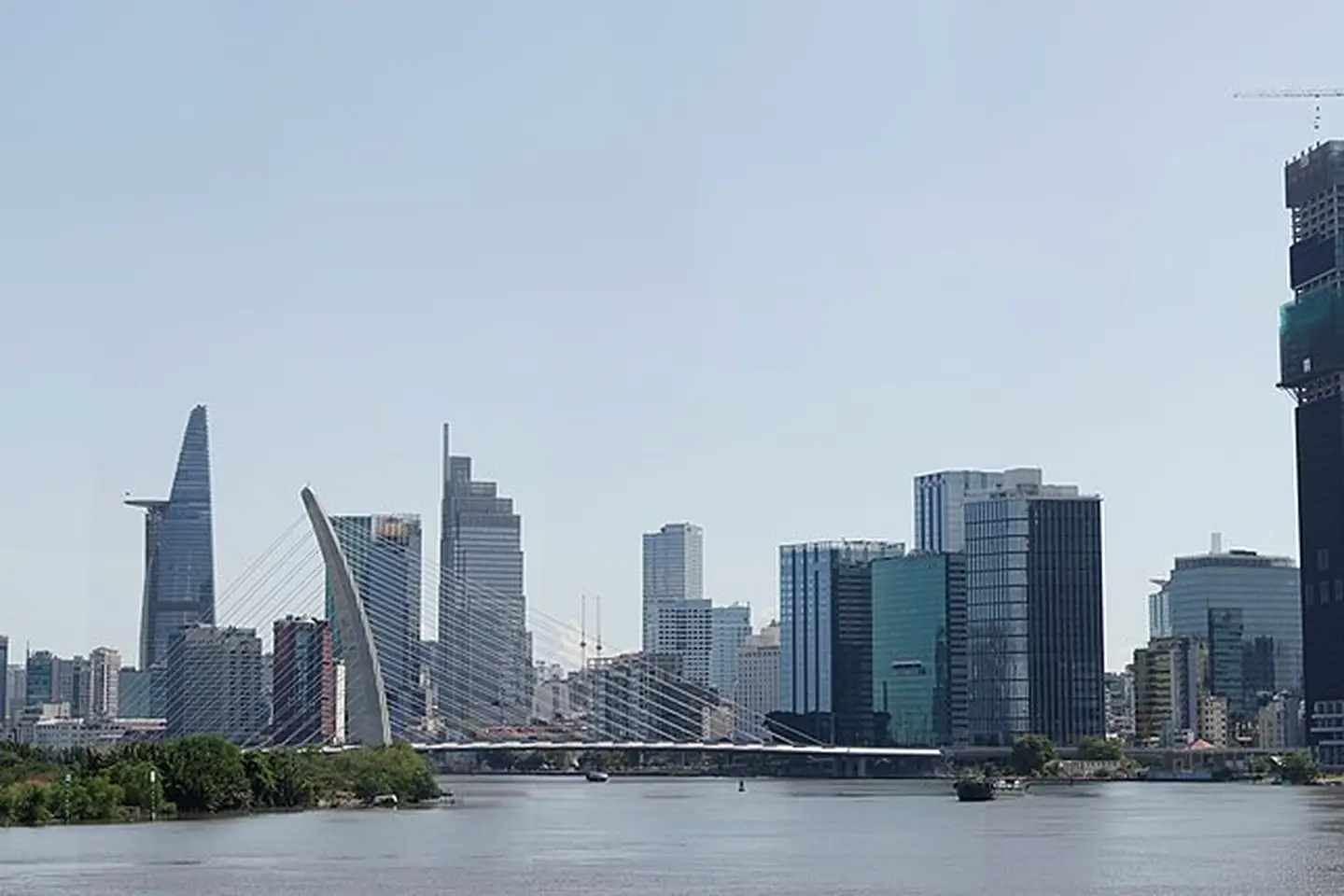
Ho Chi Minh City and Mekong Delta
Southern Vietnam pairs a fast-moving metropolis with river channels, farming communities and smaller towns across the Mekong Delta.
Photo: Pimnl, CC0
Place overview
Understanding Ho Chi Minh City and Mekong Delta
Ho Chi Minh City has colonial-era landmarks, war history, markets and contemporary food and design. The delta requires selectivity because road and boat times are easily underestimated.
An overnight outside the city produces a more useful river experience than the quickest coach excursion, especially when the route includes local markets and small waterways.
At a glance
History and identity
How the place took shape
Saigon developed as a regional port and became the capital of French Cochinchina, then South Vietnam before reunification in 1975.
The Mekong Delta was shaped by water engineering, migration, trade and intensive agriculture. Climate and water changes now affect its communities.
Best time to visit
Choose the season around the experience
December to April is generally drier in the south. Rainy-season showers are often intense but limited in duration.
Build the route around the regions that matter most. Central-coast storms, northern winter mist and southern rainy-season showers affect experiences in different ways.
Best things to do
Experiences and places worth your time
Use these ideas as a starting point, then adjust the order and depth to your interests, energy and available days.
01
City history
Use selected museums and architecture to follow colonial and war-era change.
02
Southern food
Explore markets and specialist dishes with a local guide.
03
Delta overnight
Use a small-scale route with realistic road and boat time.
Make the visit work
Three decisions for a better stay in Ho Chi Minh City and Mekong Delta
Use the place as part of a complete route, not an isolated stop. Time, location and the way you visit can change the experience.
Allow a useful pace
The suggested starting point is three or four nights. Adjust it for arrival time, walking, weather and how deeply you want to explore.
Connect the route
A practical pairing is Central Vietnam or Cambodia. Check the actual transfer and avoid using a valuable day only to collect another place name.
Plan around the character
Ho Chi Minh City and Mekong Delta is known for modern history, food and waterways. Choose guides, accommodation and free time that help you experience that character clearly.
Protect some open time
Not every hour needs a reservation. A free evening, a slower meal or time to revisit an area can make the stay feel more personal and less mechanical.
Frequently asked
Before visiting Ho Chi Minh City and Mekong Delta
How much time should I consider?
Three or four nights is a useful starting point, but arrival and departure hours matter. Add time if the place is central to the trip or if important visits depend on timed entry, weather or physical effort.
What is the best time to visit?
December to April is generally drier in the south. Rainy-season showers are often intense but limited in duration. Always check current weather and local operating conditions close to travel.
Do I need a private guide?
A guide is most valuable where history, access or local context would otherwise be difficult to understand. Independent time can still be kept for neighborhoods, meals and personal interests.
What should I tell the planning team?
Share your available days, activity level, hotel preferences, mobility needs and the experiences you consider essential. That information helps place Ho Chi Minh City and Mekong Delta correctly within the wider Vietnam route.
Plan it well
A better way to include Ho Chi Minh City and Mekong Delta
Avoid packing the city and delta into one rushed day.
Choose boat experiences that respect local waterways and do not stage intrusive home visits.