
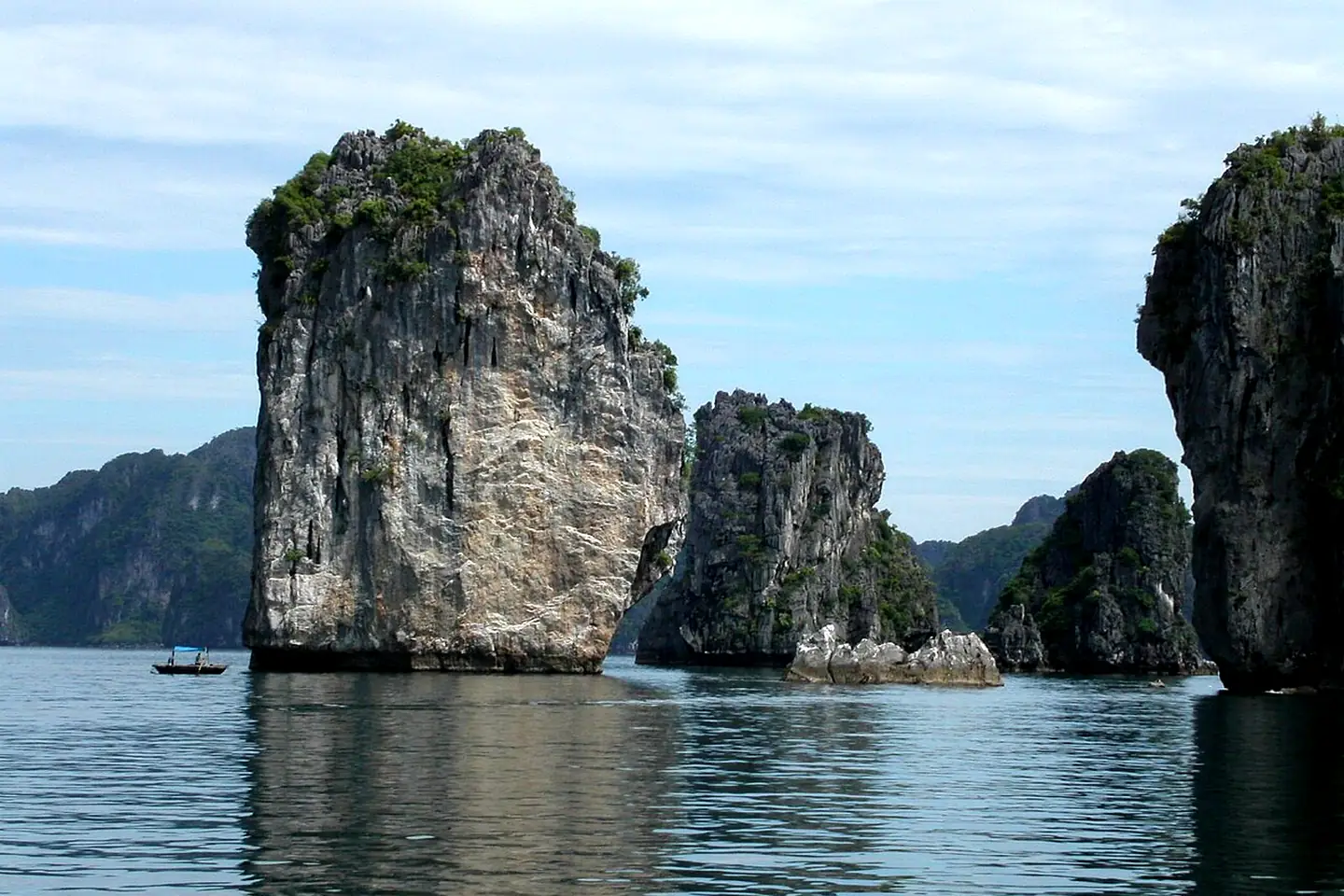
Ha Long Bay
Ha Long Bay and neighboring sailing areas are defined by limestone islands, sheltered water and a rapidly changing cruise market.
Place overview
Understanding Ha Long Bay
Vessels sail in Ha Long, Lan Ha or Bai Tu Long areas under different route permissions. The name of the boat matters less than its real cabin, safety and schedule.
One overnight suits many travelers. Two nights provide more distance and time on the water when the route is well designed.
At a glance
History and identity
How the place took shape
The karst landscape formed over millions of years through geological uplift and erosion.
Fishing communities and maritime trade have long used the bay. Tourism growth now requires careful waste, traffic and conservation management.
Best time to visit
Choose the season around the experience
October to April is cooler and often drier, but winter mist can reduce visibility. Summer is warmer with storm risk.
Build the route around the regions that matter most. Central-coast storms, northern winter mist and southern rainy-season showers affect experiences in different ways.
Best things to do
Experiences and places worth your time
Use these ideas as a starting point, then adjust the order and depth to your interests, energy and available days.
01
Time on deck
Choose a vessel with usable outdoor space and fewer rushed announcements.
02
Kayak or tender routes
Follow the confirmed program and weather conditions.
03
Quiet sailing area
Compare Lan Ha and Bai Tu Long options where schedules permit.
Make the visit work
Three decisions for a better stay in Ha Long Bay
Use the place as part of a complete route, not an isolated stop. Time, location and the way you visit can change the experience.
Allow a useful pace
The suggested starting point is one or two nights. Adjust it for arrival time, walking, weather and how deeply you want to explore.
Connect the route
A practical pairing is Hanoi. Check the actual transfer and avoid using a valuable day only to collect another place name.
Plan around the character
Ha Long Bay is known for limestone islands and cruises. Choose guides, accommodation and free time that help you experience that character clearly.
Protect some open time
Not every hour needs a reservation. A free evening, a slower meal or time to revisit an area can make the stay feel more personal and less mechanical.
Frequently asked
Before visiting Ha Long Bay
How much time should I consider?
One or two nights is a useful starting point, but arrival and departure hours matter. Add time if the place is central to the trip or if important visits depend on timed entry, weather or physical effort.
What is the best time to visit?
October to April is cooler and often drier, but winter mist can reduce visibility. Summer is warmer with storm risk. Always check current weather and local operating conditions close to travel.
Do I need a private guide?
A guide is most valuable where history, access or local context would otherwise be difficult to understand. Independent time can still be kept for neighborhoods, meals and personal interests.
What should I tell the planning team?
Share your available days, activity level, hotel preferences, mobility needs and the experiences you consider essential. That information helps place Ha Long Bay correctly within the wider Vietnam route.
Plan it well
A better way to include Ha Long Bay
Review the exact vessel, recent operating details and daily route before comparing brand categories.
Leave flexibility around Hanoi connections because weather can change departures.