
Kigali
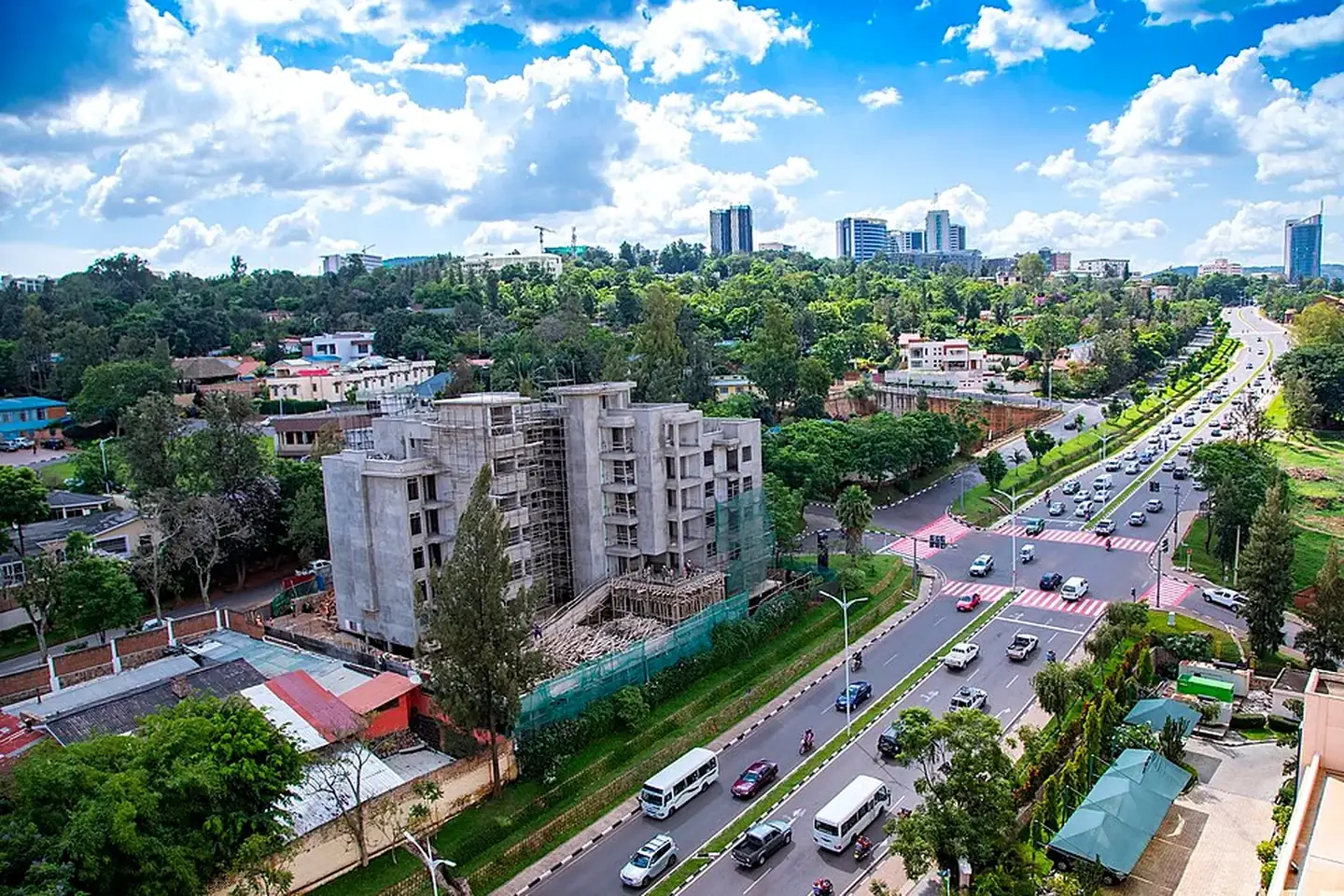
Kigali is a hilly, fast-changing capital where memorial history, contemporary art and everyday city life deserve time.
Place overview
Understanding Kigali
The city is often used only as a gateway to national parks. One or two nights allow a more responsible introduction to Rwanda before forest or safari travel.
Sites are spread across steep hills. A driver is useful, while selected neighborhoods and markets work best with local guidance.
At a glance
History and identity
How the place took shape
Kigali became the capital at independence in 1962. The city was deeply affected by the 1994 genocide against the Tutsi.
Reconstruction brought rapid population growth, new infrastructure and an expanding cultural scene. Memorial institutions preserve testimony and education.
Best time to visit
Choose the season around the experience
June to September and December to February are generally drier, although Kigali can be visited throughout the year.
Rain can occur in any month in the highlands. Gorilla and chimpanzee permits are limited, so dates should be built around confirmed availability.
Best things to do
Experiences and places worth your time
Use these ideas as a starting point, then adjust the order and depth to your interests, energy and available days.
01
Kigali Genocide Memorial
Allow time and approach the exhibitions with respect.
02
Art and design
Visit selected galleries and studios with current opening information.
03
Food and neighborhoods
Use a guided route to understand the city beyond hotel districts.
Make the visit work
Three decisions for a better stay in Kigali
Use the place as part of a complete route, not an isolated stop. Time, location and the way you visit can change the experience.
Allow a useful pace
The suggested starting point is one or two nights. Adjust it for arrival time, walking, weather and how deeply you want to explore.
Connect the route
A practical pairing is Volcanoes or Akagera. Check the actual transfer and avoid using a valuable day only to collect another place name.
Plan around the character
Kigali is known for memorial history and creative culture. Choose guides, accommodation and free time that help you experience that character clearly.
Protect some open time
Not every hour needs a reservation. A free evening, a slower meal or time to revisit an area can make the stay feel more personal and less mechanical.
Frequently asked
Before visiting Kigali
How much time should I consider?
One or two nights is a useful starting point, but arrival and departure hours matter. Add time if the place is central to the trip or if important visits depend on timed entry, weather or physical effort.
What is the best time to visit?
June to September and December to February are generally drier, although Kigali can be visited throughout the year. Always check current weather and local operating conditions close to travel.
Do I need a private guide?
A guide is most valuable where history, access or local context would otherwise be difficult to understand. Independent time can still be kept for neighborhoods, meals and personal interests.
What should I tell the planning team?
Share your available days, activity level, hotel preferences, mobility needs and the experiences you consider essential. That information helps place Kigali correctly within the wider Rwanda route.
Plan it well
A better way to include Kigali
Do not schedule the memorial between rushed transfers. The visit deserves time and a quiet period afterward.
Use Kigali to prepare for park permits, luggage limits and the next road journey.