
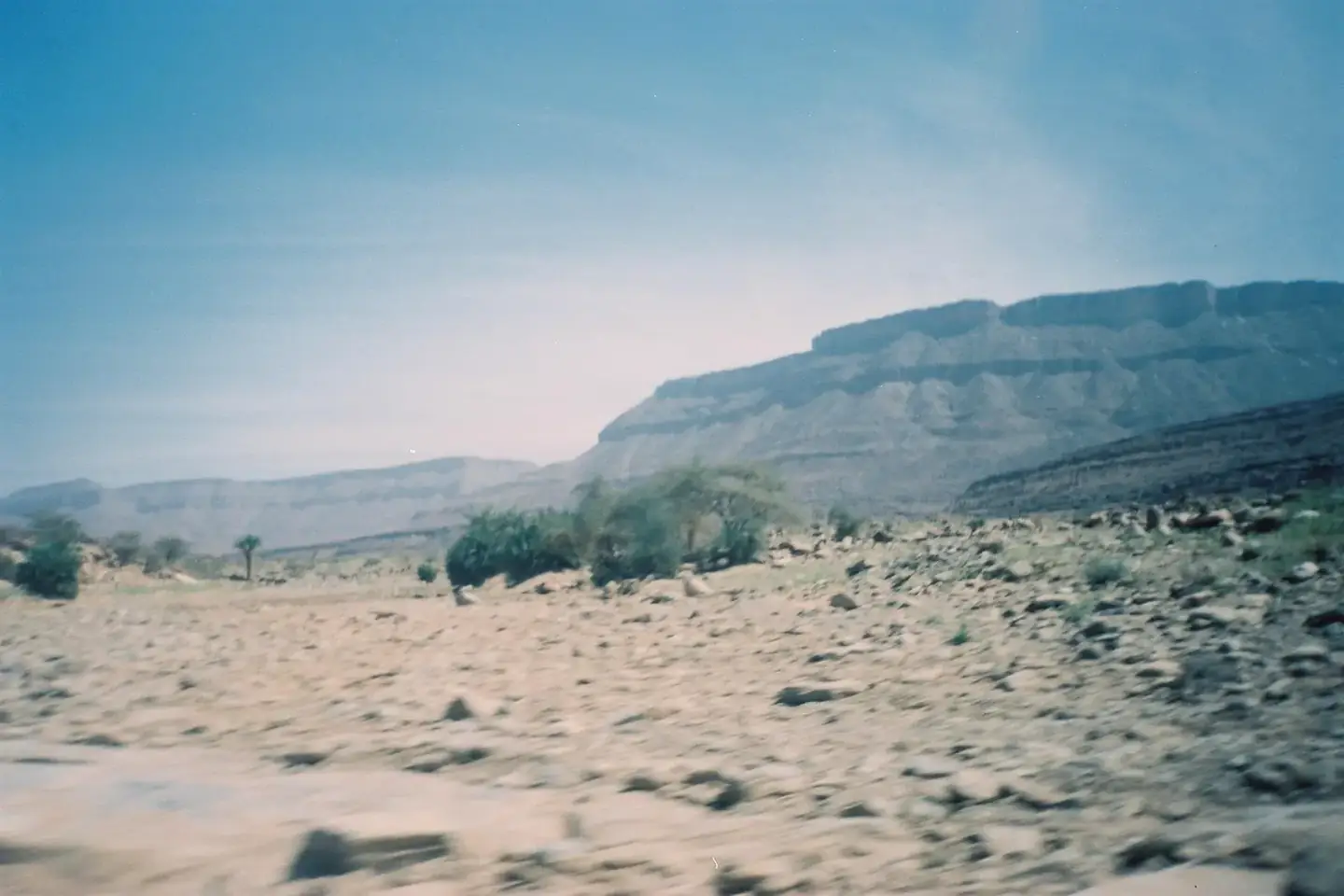
Adrar Plateau
The Adrar combines escarpments, dune fields, palm oases and remote settlements in Mauritania’s interior.
Photo: Radosław Botev, CC BY 3.0 pl
Place overview
Understanding Adrar Plateau
Atar is the main gateway to the region. From there, routes reach Terjit, Chinguetti, Ouadane and desert camps across a landscape that changes quickly with light and geology.
The area is suited to travelers comfortable with long drives and simple conditions. A slower circuit allows time for walks, oasis stops and local encounters.
At a glance
History and identity
How the place took shape
Caravan trade and oasis agriculture supported settlement across the Adrar. Routes connected salt mines, scholarly towns and markets over great distances.
Rock art and archaeological remains point to much older periods when climate and human activity differed from today’s desert conditions.
Best time to visit
Choose the season around the experience
Travel between November and February for cooler daytime conditions and clearer margins for outdoor activity.
Long distances, limited tourism infrastructure and changing local conditions require current advice, an experienced local team and a flexible route.
Best things to do
Experiences and places worth your time
Use these ideas as a starting point, then adjust the order and depth to your interests, energy and available days.
01
Terjit Oasis
Walk through the palm-filled canyon and understand its role as a water source.
02
Desert tracks
Cross varied terrain with a team equipped for remote travel.
03
Night in the Adrar
Use a simple camp to experience clear skies and the quiet of the plateau.
Make the visit work
Three decisions for a better stay in Adrar Plateau
Use the place as part of a complete route, not an isolated stop. Time, location and the way you visit can change the experience.
Allow a useful pace
The suggested starting point is four or five nights. Adjust it for arrival time, walking, weather and how deeply you want to explore.
Connect the route
A practical pairing is Chinguetti and Ouadane. Check the actual transfer and avoid using a valuable day only to collect another place name.
Plan around the character
Adrar Plateau is known for oases, canyons and caravan routes. Choose guides, accommodation and free time that help you experience that character clearly.
Protect some open time
Not every hour needs a reservation. A free evening, a slower meal or time to revisit an area can make the stay feel more personal and less mechanical.
Frequently asked
Before visiting Adrar Plateau
How much time should I consider?
Four or five nights is a useful starting point, but arrival and departure hours matter. Add time if the place is central to the trip or if important visits depend on timed entry, weather or physical effort.
What is the best time to visit?
Travel between November and February for cooler daytime conditions and clearer margins for outdoor activity. Always check current weather and local operating conditions close to travel.
Do I need a private guide?
A guide is most valuable where history, access or local context would otherwise be difficult to understand. Independent time can still be kept for neighborhoods, meals and personal interests.
What should I tell the planning team?
Share your available days, activity level, hotel preferences, mobility needs and the experiences you consider essential. That information helps place Adrar Plateau correctly within the wider Mauritania route.
Plan it well
A better way to include Adrar Plateau
Use a reliable four-wheel-drive vehicle, carry backup water and keep daily distances realistic.
Cold nights, dust and limited facilities are part of the route. Pack for function before appearance.