
Bali
Bali’s temples, farming landscapes, ceremonies, design culture and varied coasts extend far beyond its busiest resort zones.
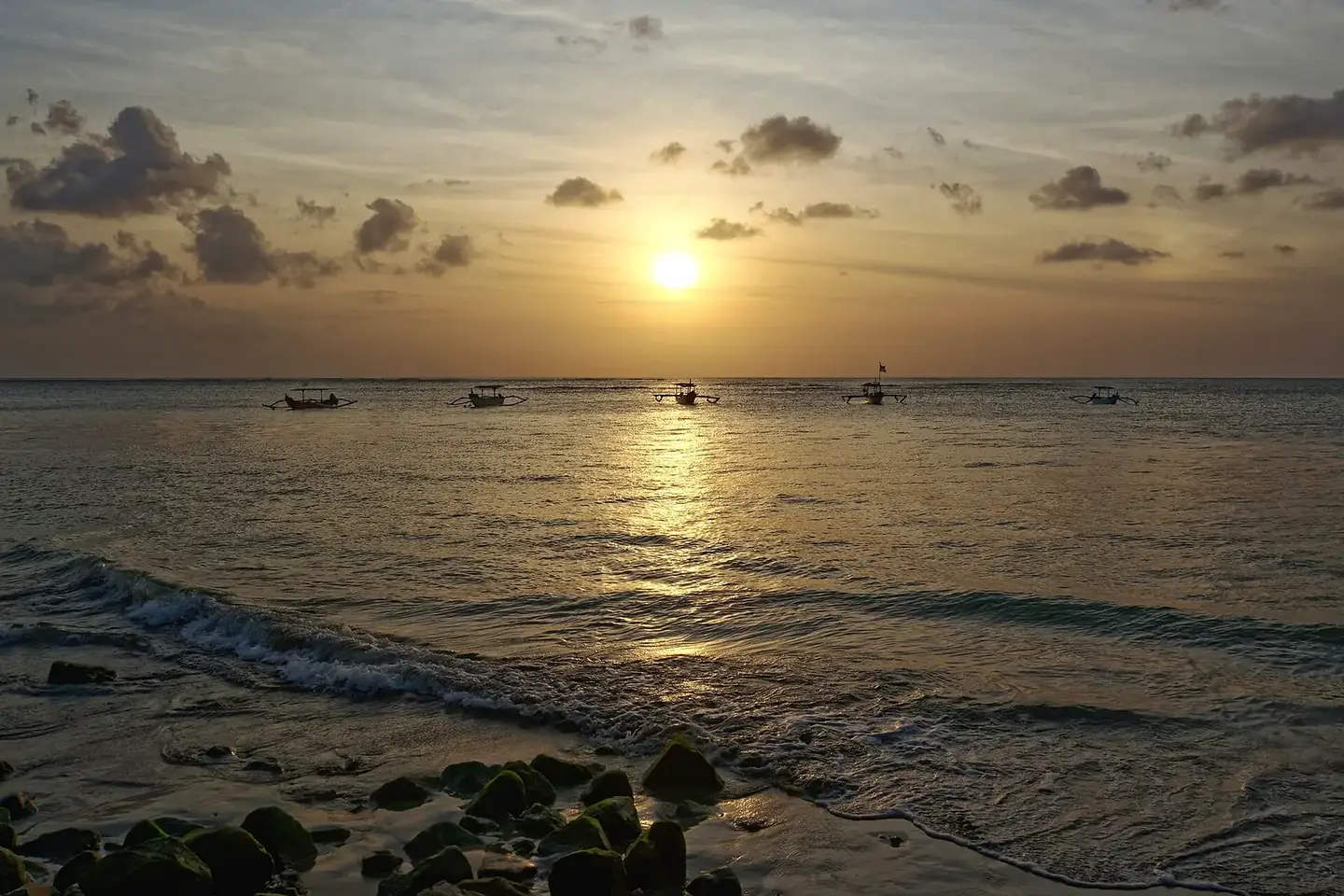
Photo: Jakub Hałun, CC BY-SA 4.0
Place overview
Understanding Bali
Ubud, the southern beaches, east Bali and the north each suit different trips. Heavy road traffic means that choosing the right base has more value than adding daily cross-island drives.
Temple visits and village experiences should follow local dress and behavior. A good guide explains living religious practice rather than presenting it as decoration.
At a glance
History and identity
How the place took shape
Balinese Hindu culture developed through local traditions and wider connections with Java and the Indonesian archipelago.
Dutch colonial rule and twentieth-century tourism changed the island’s economy and built environment, while customary communities continue to organize much local life.
Best time to visit
Choose the season around the experience
May to June and September are good shoulder months. July and August are drier but busier.
July and August are busy in Bali. Shoulder months can offer a better balance, while sea crossings and volcano access always depend on local conditions.
Best things to do
Experiences and places worth your time
Use these ideas as a starting point, then adjust the order and depth to your interests, energy and available days.
01
Temples and ceremony
Visit with local context and respect active worship.
02
Ubud and central Bali
Use art, food and rural walks to understand the island beyond one town center.
03
A suitable coast
Match the beach area to swimming, surf, quiet or dining priorities.
Make the visit work
Three decisions for a better stay in Bali
Use the place as part of a complete route, not an isolated stop. Time, location and the way you visit can change the experience.
Allow a useful pace
The suggested starting point is five nights or more. Adjust it for arrival time, walking, weather and how deeply you want to explore.
Connect the route
A practical pairing is Java or Komodo. Check the actual transfer and avoid using a valuable day only to collect another place name.
Plan around the character
Bali is known for temples, arts, rice fields and coast. Choose guides, accommodation and free time that help you experience that character clearly.
Protect some open time
Not every hour needs a reservation. A free evening, a slower meal or time to revisit an area can make the stay feel more personal and less mechanical.
Frequently asked
Before visiting Bali
How much time should I consider?
Five nights or more is a useful starting point, but arrival and departure hours matter. Add time if the place is central to the trip or if important visits depend on timed entry, weather or physical effort.
What is the best time to visit?
May to June and September are good shoulder months. July and August are drier but busier. Always check current weather and local operating conditions close to travel.
Do I need a private guide?
A guide is most valuable where history, access or local context would otherwise be difficult to understand. Independent time can still be kept for neighborhoods, meals and personal interests.
What should I tell the planning team?
Share your available days, activity level, hotel preferences, mobility needs and the experiences you consider essential. That information helps place Bali correctly within the wider Indonesia route.
Plan it well
A better way to include Bali
Split the stay only when it reduces driving and creates a genuine change of setting.
Build flexibility around ceremonies, traffic and volcanic activity elsewhere in Indonesia.