
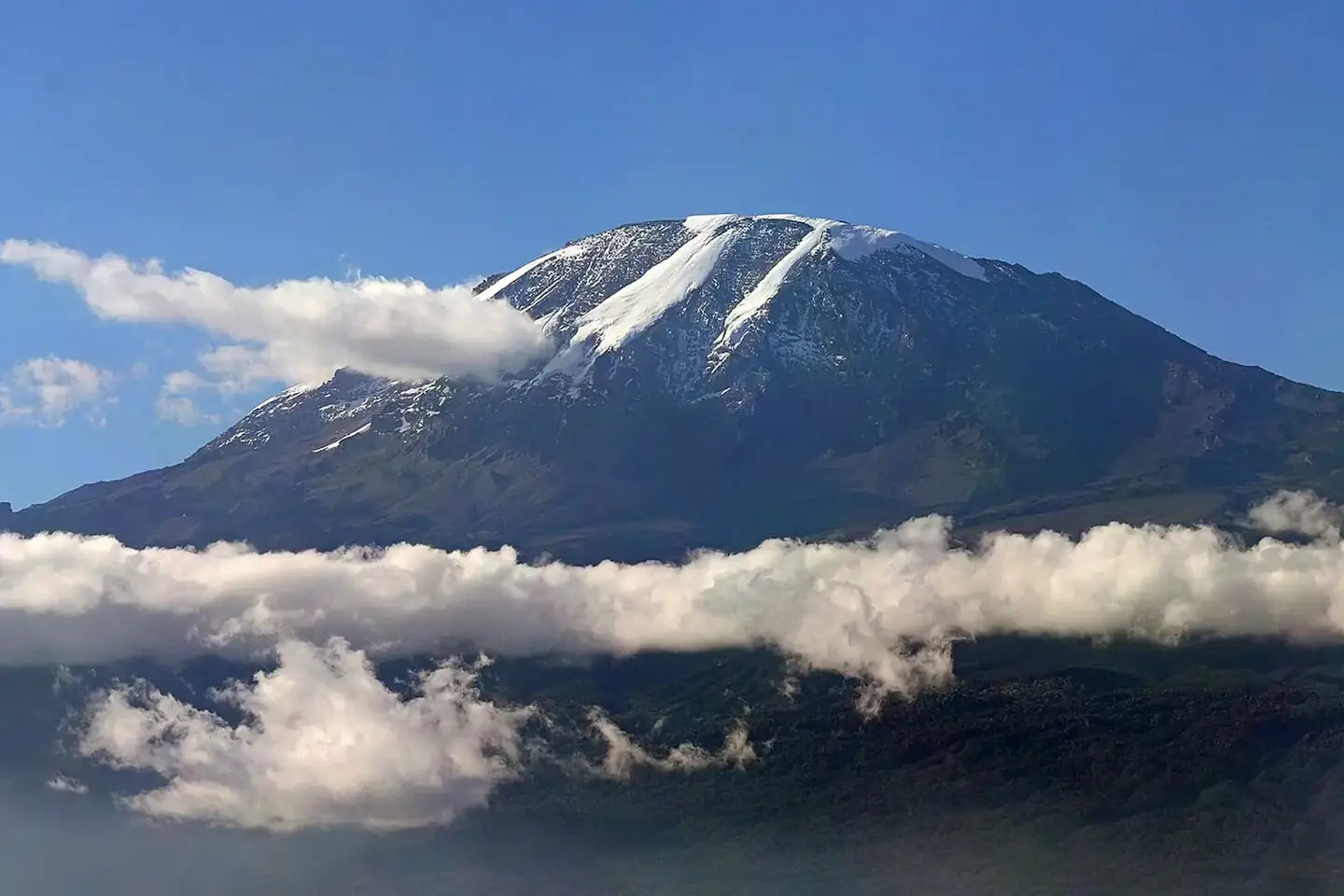
Mount Kilimanjaro
Kilimanjaro is Africa’s highest mountain, demanding careful acclimatization, responsible support and honest preparation.
Place overview
Understanding Mount Kilimanjaro
The climb crosses distinct ecological zones from cultivated foothills and rainforest to alpine desert and the high summit. It is a non-technical trek on standard routes, but altitude makes it physically serious.
Route length matters more than a promise of speed. A longer itinerary generally provides more acclimatization time and a more measured experience.
At a glance
History and identity
How the place took shape
The mountain is formed by three volcanic cones: Kibo, Mawenzi and Shira. It holds deep cultural significance for communities living around its slopes.
Recorded European ascents accelerated in the late nineteenth century. Today, Kilimanjaro National Park protects the upper mountain while guiding and porter systems support a major regional economy.
Best time to visit
Choose the season around the experience
June to October is generally dry and well suited to safari. January and February are also useful in parts of the northern circuit, especially around the southern Serengeti.
Wildlife is present year-round, but movement and access change with rainfall. Zanzibar has its own weather pattern, so safari and beach dates should be checked together.
Best things to do
Experiences and places worth your time
Use these ideas as a starting point, then adjust the order and depth to your interests, energy and available days.
01
Changing ecosystems
Move gradually through rainforest, heath, moorland and alpine terrain.
02
Summit attempt
Approach the final ascent with realistic pacing and guide-led health decisions.
03
Supported trek
Select an operator committed to trained guides, porter welfare and appropriate equipment.
Make the visit work
Three decisions for a better stay in Mount Kilimanjaro
Use the place as part of a complete route, not an isolated stop. Time, location and the way you visit can change the experience.
Allow a useful pace
The suggested starting point is seven or more trekking days. Adjust it for arrival time, walking, weather and how deeply you want to explore.
Connect the route
A practical pairing is Arusha and northern safari parks. Check the actual transfer and avoid using a valuable day only to collect another place name.
Plan around the character
Mount Kilimanjaro is known for uhuru peak at 5,895 metres. Choose guides, accommodation and free time that help you experience that character clearly.
Protect some open time
Not every hour needs a reservation. A free evening, a slower meal or time to revisit an area can make the stay feel more personal and less mechanical.
Frequently asked
Before visiting Mount Kilimanjaro
How much time should I consider?
Seven or more trekking days is a useful starting point, but arrival and departure hours matter. Add time if the place is central to the trip or if important visits depend on timed entry, weather or physical effort.
What is the best time to visit?
June to October is generally dry and well suited to safari. January and February are also useful in parts of the northern circuit, especially around the southern Serengeti. Always check current weather and local operating conditions close to travel.
Do I need a private guide?
A guide is most valuable where history, access or local context would otherwise be difficult to understand. Independent time can still be kept for neighborhoods, meals and personal interests.
What should I tell the planning team?
Share your available days, activity level, hotel preferences, mobility needs and the experiences you consider essential. That information helps place Mount Kilimanjaro correctly within the wider Tanzania route.
Plan it well
A better way to include Mount Kilimanjaro
Travel insurance must cover trekking to the planned altitude and emergency evacuation. A medical consultation and suitable training are essential before departure.
Build recovery time into the wider itinerary. Avoid scheduling an immediate long transfer or demanding safari day after descending.