
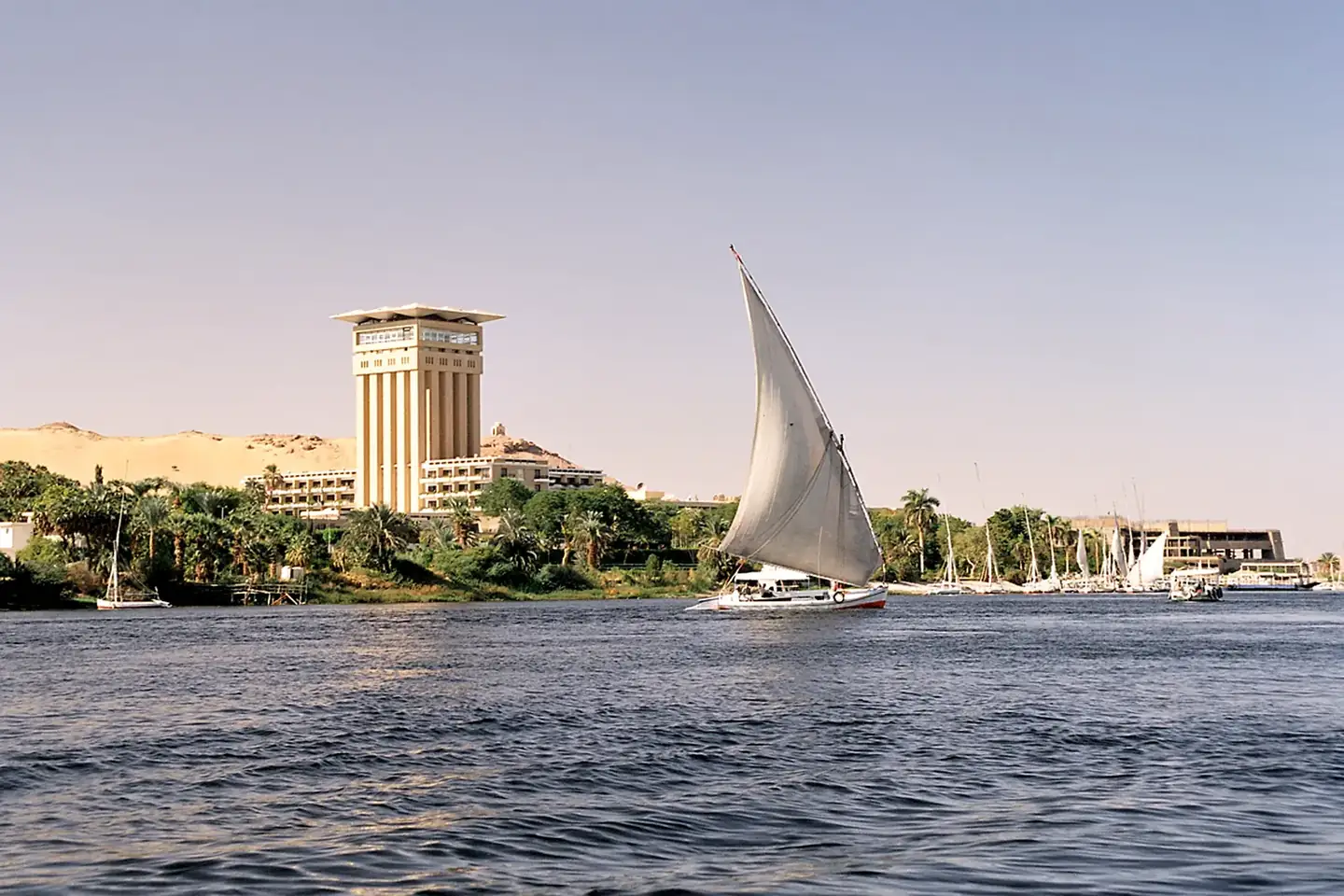
The Nile
A Nile journey connects landscapes and archaeological sites between Luxor and Aswan at a more measured pace.
Place overview
Understanding The Nile
The river shaped Egypt’s agriculture, settlement and transport for millennia. Today, cruising can connect major temples while giving travelers time to observe the landscape between them.
Vessel size, cabin position, sailing schedule and guiding quality vary. The most suitable choice depends on comfort expectations and how much time you want ashore.
At a glance
History and identity
How the place took shape
Annual Nile floods once renewed agricultural land and supported the growth of ancient Egyptian civilization. Settlements, temples and administrative centers followed the river valley.
Dams later changed the flood cycle and modernized water management while creating major environmental and social changes. The river remains central to Egyptian life and identity.
Best time to visit
Choose the season around the experience
October to April is the most comfortable period for Cairo, Luxor and Aswan. Days are generally milder, although December and January are also the busiest months.
May and September can work with early starts. Summer heat is intense in Upper Egypt, so the daily schedule needs more shade, rest and realistic transfer times.
Best things to do
Experiences and places worth your time
Use these ideas as a starting point, then adjust the order and depth to your interests, energy and available days.
01
Temple stops
Visit sites such as Edfu and Kom Ombo according to the vessel’s confirmed sailing program.
02
River landscape
Use time on deck to see fields, villages, desert edges and daily movement along the water.
03
Private guiding
Keep one guide through the route when possible for continuity and clearer historical context.
Make the visit work
Three decisions for a better stay in The Nile
Use the place as part of a complete route, not an isolated stop. Time, location and the way you visit can change the experience.
Allow a useful pace
The suggested starting point is three to five nights. Adjust it for arrival time, walking, weather and how deeply you want to explore.
Connect the route
A practical pairing is Luxor to Aswan or reverse. Check the actual transfer and avoid using a valuable day only to collect another place name.
Plan around the character
The Nile is known for cruising and temple access. Choose guides, accommodation and free time that help you experience that character clearly.
Protect some open time
Not every hour needs a reservation. A free evening, a slower meal or time to revisit an area can make the stay feel more personal and less mechanical.
Frequently asked
Before visiting The Nile
How much time should I consider?
Three to five nights is a useful starting point, but arrival and departure hours matter. Add time if the place is central to the trip or if important visits depend on timed entry, weather or physical effort.
What is the best time to visit?
October to April is the most comfortable period for Cairo, Luxor and Aswan. Days are generally milder, although December and January are also the busiest months. Always check current weather and local operating conditions close to travel.
Do I need a private guide?
A guide is most valuable where history, access or local context would otherwise be difficult to understand. Independent time can still be kept for neighborhoods, meals and personal interests.
What should I tell the planning team?
Share your available days, activity level, hotel preferences, mobility needs and the experiences you consider essential. That information helps place The Nile correctly within the wider Egypt route.
Plan it well
A better way to include The Nile
Compare the real vessel, cabin category and schedule rather than relying only on a cruise label. Ask what is included and how shore visits operate.
Water levels and operational schedules can affect sailing. Keep onward connections realistic and confirm final timing near departure.